
As drought conditions continue to grip much of Virginia, home gardeners have an opportunity to do their part in conserving water — and may end up with healthier plants in the process.
According to the U.S. Drought Monitor, roughly 86% of Virginia was experiencing moderate-to-extreme drought as of July 14, affecting approximately 6.3 million residents. State officials are calling on Virginians to voluntarily take practical steps to reduce their water consumption. If conditions worsen, mandatory water restrictions could follow.
The effects of prolonged drought in Virginia extend beyond dry lawns — agriculture, water supplies, and wildfire risk are all impacted. Smarter garden watering can help ease the strain while also saving homeowners time, money, and energy.
The Old Farmer’s Almanac has put together 12 water-saving gardening strategies for the summer season:
1. Water in the early morning. The window between 4 and 9 a.m. is ideal to minimize evaporation and reduce the risk of plant disease. Watering in the late afternoon or early evening is an acceptable alternative.
2. Target the root zone. Direct water to the base of the plant rather than overhead. If using a hose, a long watering wand with an easy shutoff valve can help prevent waste.
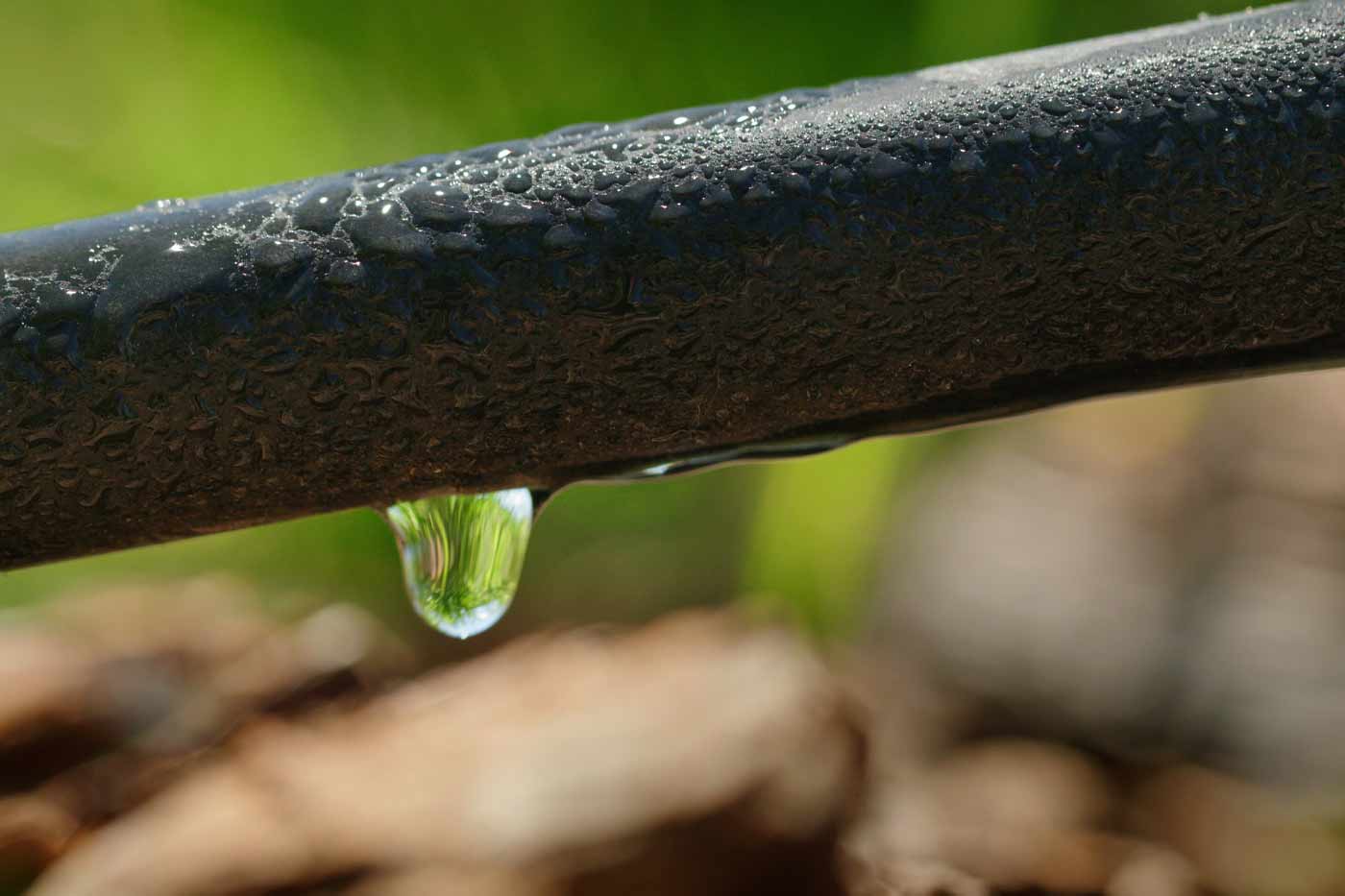
3. Try soaker hoses. These deliver about 90% of water directly to plants and limit weed growth. Letting an inch of water slowly drip into the soil over six hours allows it to soak in rather than run off. Check moisture depth an hour after watering by digging into the soil, and adjust timing and flow as needed.
4. Water deeply but less frequently. A slow, thorough soaking at lower pressure builds stronger root systems. Use a trowel to check that soil at root level stays cool and damp, or consider a water meter to help determine the right schedule.
5. Capture water naturally. Plant in low-lying areas where water naturally collects, build up soil around plants to hold moisture, or sink a plastic pot with drainage holes into the ground next to thirsty plants and water into the pot to feed roots directly.
6. Collect rainwater. Rainwater is excellent for plants. Barrels placed near gutters, roofs, sheds, or greenhouses can collect water that would otherwise be lost. A 1,000-square-foot roof can capture as much as 625 gallons from just one inch of rain.
7. Know the signs of drought stress. Watch for drooping leaves, browning along leaf edges or between veins, and crispy foliage — all indicators that plants are struggling.
8. Pull weeds regularly. Weeds compete with your plants for moisture. Annual weeds can be hoed and left on the soil surface; perennial weeds should be dug out by the roots entirely.
9. Use shade and wind barriers. Shade cloths and windbreaks can protect plants from heat and moisture loss. Taller crops like corn can shade smaller plants, and sprawling vines help shield soil from the sun.
10. Add compost to your soil. Incorporating at least an inch of compost annually helps soil absorb and retain water much like a sponge.
11. Mulch around your plants. A 6- to 8-inch layer of organic mulch can dramatically reduce watering needs by boosting humidity near plants, suppressing weeds, and moderating soil temperature. Mulch also softens the impact of heavy rain and prevents soil compaction.
12. Choose drought-resistant plants. Native plant varieties are naturally adapted to local conditions. Group plants with similar water needs together, and avoid planting more than you can realistically maintain — stressed plants consume more water.
For additional guidance, including advice on watering vegetable gardens in hot weather and caring for trees during drought, visit The Old Farmer’s Almanac website.