
Similar to how underdog teams have become scarce in March Madness, smaller colleges are seeing fewer of their players selected in the NFL draft.
The culprits are NIL deals and the transfer portal, which together have created a talent pipeline flowing toward major conference schools.
The Power Four conferences – SEC, Big Ten, ACC and Big 12 – control college football through superior revenue streams, television contracts and financial resources.
These advantages are increasingly drawing top athletes away from smaller programs.
“Jerry Rice still gets drafted by the 49ers, but I don’t know that it’s from Mississippi Valley State today,” said Denver Broncos head coach Sean Payton, referencing the Hall of Fame receiver’s legendary rise from a small school. “That’s where he started, but I think it may be from — pick a big school.”
The NCAA basketball tournament once regularly showcased unknown programs from remote locations that captured national attention and destroyed tournament brackets. However, for the first time since the field expanded in 1985, all 16 Elite Eight teams last year came from major conferences, including the Big East. This pattern repeated in the most recent tournament, indicating that the transfer portal is consolidating elite talent at well-funded institutions.
This basketball trend is now appearing in football recruiting and development.
The numbers tell the story: Just 24 players from non-major conferences were drafted in 2024, continuing a steep decline from 70 such selections in 2022. The figure dropped to 38 in 2023 before reaching last year’s low of 34.
Even these statistics include players from traditionally strong programs outside major conferences. Last year’s two first-round picks from non-power schools were Boise State running back Ashton Jeanty, chosen sixth by Las Vegas, and North Dakota State lineman Grey Zabel, selected 18th by Seattle.
Boise State has consistently produced NFL talent, with seven draft picks since 2021, while North Dakota State has captured 18 national titles, including 10 FCS championships since 2010 and eight Division II crowns.
Other 2024 selections came from schools like Alabama A&M, Central Arkansas and Western Kentucky.
The NCAA implemented its name, image and likeness policy in summer 2021, allowing athletes to earn money from their personal brands. Soon after, rule changes permitted multiple transfers while maintaining immediate eligibility under specific conditions.
Athletes like Jeanty and Zabel continue reaching the draft – they’re just more likely to come from established football programs now.
This year’s draft from April 23-25 in Pittsburgh could see even fewer small-school names called, as only 17 of the 319 combine invitees represented non-power conference programs.
Notable exceptions include Toledo safety Emmanuel McNeil-Warren, rated by NFL analyst Daniel Jeremiah as the draft’s 16th-best prospect, and San Diego State defensive back Chris Johnson, ranked 40th by Jeremiah.
This shift has altered how NFL organizations approach college scouting, with fewer trips to smaller campuses.
“I think as you set your schedule for where you want your scouts to spend their most time, I think even in the last couple of years, you want them more in those places, concentrated areas like we talked about,” explained Broncos general manager George Paton. “Not that there’s not going to be good players in some of these other smaller schools.”
The difference is that many talented players now transfer to major conferences, where they access better financial opportunities, increased visibility and stronger personal branding possibilities.
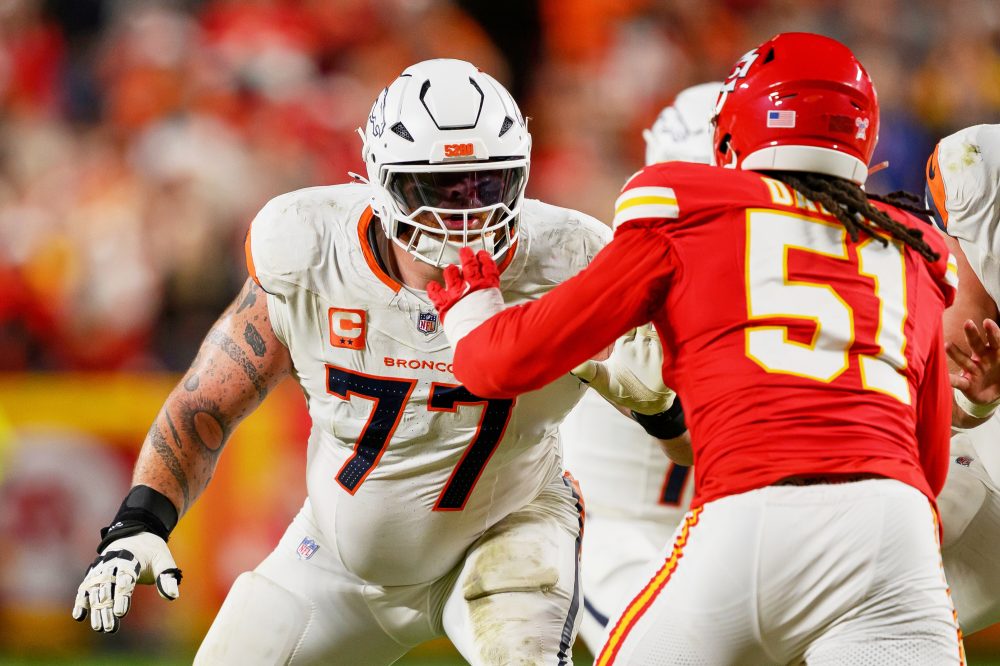
Paton discovered one of the decade’s best small-college gems when he selected Wisconsin-Whitewater guard Quinn Meinerz in the third round of 2021.
Among 37 smaller-school draftees that year, Meinerz quickly became one of the league’s premier guards, famously wearing a gold paisley suit to sign his $80 million contract extension in 2024. He has since earned consecutive first-team All-Pro selections.
Despite playing “for the love of the game” in Division III’s Wisconsin Intercollegiate Athletic Conference, Meinerz attracted NFL attention.
“There’s a pretty good scouting department across the entire NFL,” Meinerz noted, “and they’ll come find you.”
While that remains true, scouts increasingly find their targets concentrated within Power Four conference boundaries.