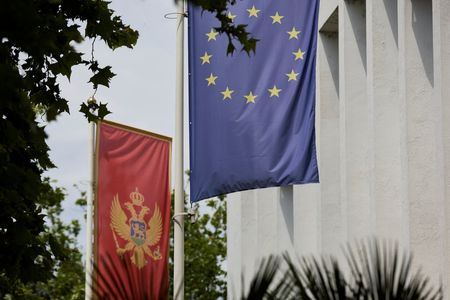

The small Balkan country of Montenegro has set an ambitious goal to join the European Union by 2028, displaying the slogan “28 by 28 – The Next EU Member” on its national airline’s aircraft.
This nation of 630,000 residents aims to become the 28th EU member state and the first new addition since Croatia joined in 2013. While Montenegro’s small size would make integration into the 450-million-person bloc relatively straightforward, achieving membership by 2028 remains a challenging target.
The country must complete demanding reforms, particularly in fighting corruption, and receive approval from all 27 current EU member states. Despite these obstacles, Montenegro gained momentum last month when the EU established a working group to prepare its membership agreement.
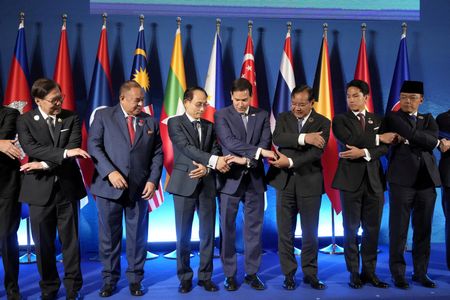
EU officials will meet with Western Balkan leaders this Friday in the coastal city of Tivat to discuss the integration process.
“Montenegro is the most advanced candidate country in the accession negotiations,” EU Enlargement Commissioner Marta Kos told Reuters. “Strong leadership in the country has seen significant steps forward in terms of reforms, but there is still a lot of work to do. Some of the most pressing reforms are… on rule of law and the judiciary.”
The country has undergone major changes since separating from Serbia in 2006. Montenegro’s relationship with Russia, once a close ally providing investment and tourism, has deteriorated significantly.
In 2016, officials accused Moscow of attempting a coup with Serbian extremists, which Russia denies. Tensions escalated when Montenegro joined NATO in 2017 and later imposed sanctions on Russia over the Ukraine conflict, prompting Moscow to label it an enemy state.
Milo Djukanovic, who governed Montenegro for thirty years until 2023 in various leadership roles, described the break from Russia as pivotal.
“Our primary motive is to take control of our own future, which will be European and Euro-Atlantic,” he told Reuters.
Citizens strongly support EU membership, with over 80% viewing it positively according to an April European Commission survey – a sharp contrast to growing skepticism elsewhere in Europe.
“We have a future in Europe, we should not remain a part of the Balkan quagmire,” said Novak, a 45-year-old physiotherapist from the capital who preferred not to share his full name.
Montenegro has made substantial progress, opening all 33 required negotiation areas and completing 14 of them. The country recently finished discussions on agriculture and capital movement in late 2025.
However, critical chapters on legal systems and fundamental rights remain unresolved. EU regulations prevent finalizing other areas until Montenegro meets all requirements in these key sectors.
While the country has launched anti-corruption efforts resulting in arrests and convictions of former senior judges, prosecutors and police officials, conviction rates remain low and problems continue, according to analysts.
Critics and international monitoring groups have accused Djukanovic and his Democratic Party of Socialists of corruption and organized crime connections, which they reject. These groups also cite concerns about press freedom restrictions.
“Montenegro is yet to close the chapters relating to the judiciary, which tend to be among the biggest hurdles for aspiring EU members,” said Mario Bikarski, senior Europe analyst at risk intelligence company Verisk Maplecroft. “Even closer attention is likely to be given to these by the European Commission given the backsliding of several member states on the rule of law in recent years.”
Predrag Zenovic, Montenegro’s chief EU negotiator, expressed confidence the country would satisfy these requirements on schedule.
“When the courts deliver a consolidated track record of results in… verdicts, that will be the final test,” he said.