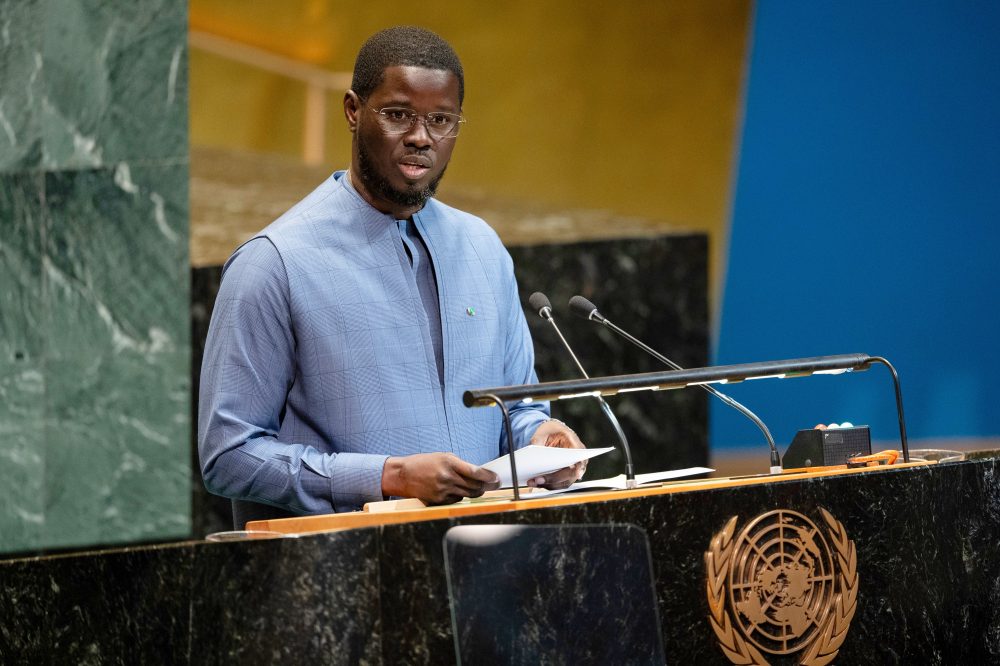

DAKAR, Senegal — Senegal’s highest judicial body has struck down a proposed constitutional amendment that would have expanded the role of parliament while limiting the powers of the country’s president.
The legislation had been approved last month, and the government indicated it would be put to a public vote. However, President Bassirou Diomaye Faye challenged whether the process was legally sound and asked the Constitutional Council to conduct an emergency review.
On Thursday evening, the council determined the law was unconstitutional, effectively killing what had been a central goal of the parliamentary majority.
The dispute over rewriting the constitution is unfolding against a backdrop of rising political friction between President Faye and his former prime minister, Ousmane Sonko. Sonko was removed from the prime minister’s post and subsequently elected as president of the National Assembly earlier this year. The political partnership that had carried both men to power in March 2024 has since fallen apart. A new prime minister has been named, and a new government is expected to be formed.
Critics in the opposition see the amendment push — put forward by Pastef, the party led by Sonko — as a political maneuver by the former prime minister, who continues to hold considerable sway over the parliamentary majority.
The proposed changes would have given parliament greater authority, replaced the Constitutional Council with a newly created Constitutional Court, and placed tighter restrictions on the president’s ability to dissolve the National Assembly.
Sonko responded positively to the council’s ruling, acknowledging it as final and binding. “This cycle reminds us that in a democracy, when institutions play their role, each within its sphere of influence, no crisis can arise,” he said.