
WASHINGTON — Two influential senators are introducing bipartisan legislation aimed at addressing widespread turmoil in college athletics by establishing regulations on athlete compensation, restricting players to a single unrestricted transfer during their collegiate careers, and implementing what they’re calling a “Lane Kiffin Rule” to prevent coaching departures mid-season.
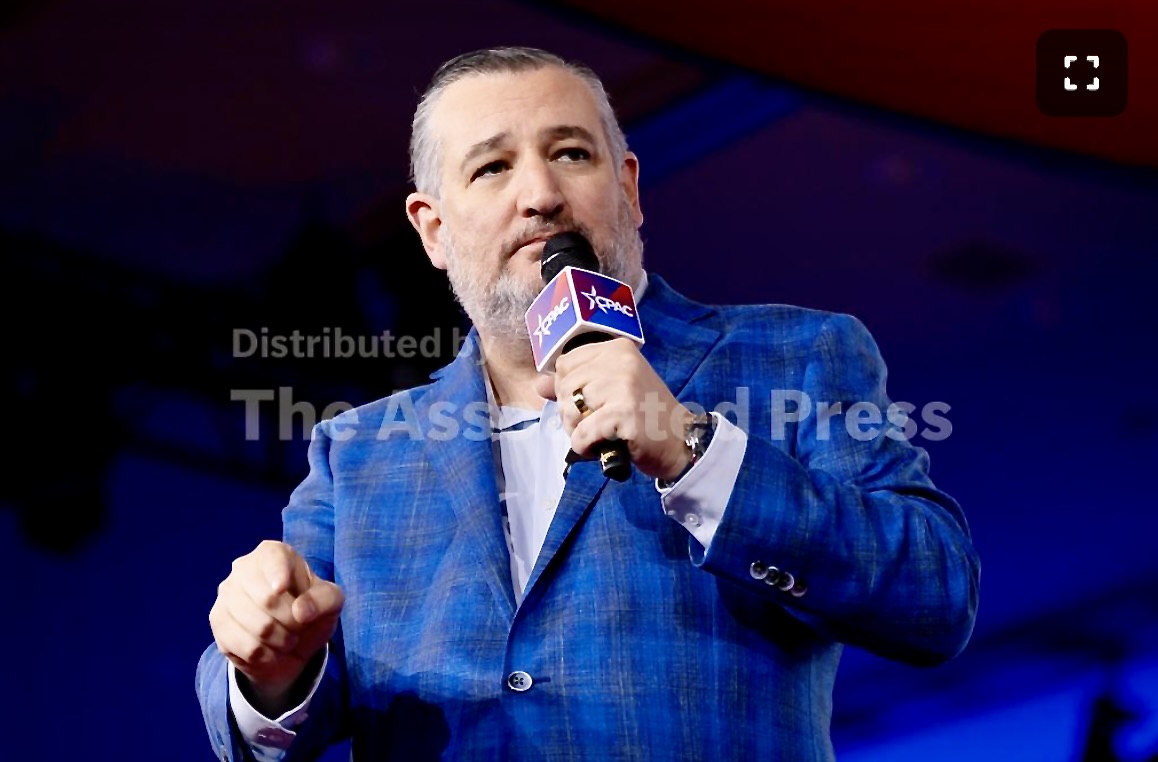
Sens. Ted Cruz, R-Texas, and Maria Cantwell, D-Wash., who serve as the chair and ranking member of the Senate Commerce Committee that has jurisdiction over collegiate athletics, shared details of their proposed legislation with The Associated Press. They developed the bill with hopes of securing the 60 votes necessary for Senate passage.
“This is a stability bill, not just an NIL bill,” Cruz said, referring to the name, image and likeness compensation that has resulted in football programs with $30 million payrolls and transformed the landscape.
Cantwell said she and Cruz collaborated on the measure “because he and I really do believe the college sports system is in a bit of chaos.”
The legislation resembles a compilation of the strongest elements from two previous proposals — one called SCORE, another called SAFE — that have stalled in recent months. It includes two components the NCAA has endorsed: limited antitrust protection and provisions that would override much of the inconsistent state-by-state NIL regulations currently in place.
Meredith Page, the chair of the NCAA Division I Student Athlete Advocacy Committee and a former volleyball player at Radford, described the bill as “a phenomenal step,” particularly following the recent failure of the SCORE Act, which the SAAC had also endorsed.
“I think this has lots of great protections and gives the ability for us to stablize the field that is so, so unstable right now,” Page said.
NCAA President Charlie Baker said the association was examining the bill and anticipated “further productive dialogue with members of Congress.”
Antitrust Protection
College athletics has been seeking federal assistance as it confronts escalating costs of athlete compensation and an unmanageable transfer system that have endangered smaller sports programs, particularly women’s athletics, which form the foundation of the U.S. Olympic development system.
This legislation, titled the Protect College Sports Act, would provide what Cruz and Cantwell described as focused antitrust protections for organizations like the NCAA and the College Sports Commission, which was included in the primarily Republican-supported SCORE Act that faced Democratic opposition. In return, Cruz said there would be “public-facing protections” for athletes across multiple areas, including guaranteed health coverage and scholarships, stricter oversight of NIL agreements with outside parties and the agents who facilitate these deals.
“I think it’s better predictability,” Cantwell said. “Why did we do it? Because when you’ve got thousands of athletes being cut, hundreds of programs being cut, the risk to the whole infrastructure was too high to not try to get better predictability.”
Regulations for Athletes and Coaches
The proposed legislation would restrict athletes to one unrestricted transfer throughout their college careers — a concept with broad national support — and would implement something similar to the five-year eligibility timeframe that the NCAA appears prepared to establish next month.
The bill also attempts to control coaching mobility. Kiffin’s unexpected departure to LSU from rival Mississippi while the Rebels were preparing for the College Football Playoff last season highlighted an escalating problem in an environment where programs invest millions to assemble rapidly changing football rosters: Schools have decreased patience and increased financial resources to pursue coaches for immediate solutions.
According to the bill’s provisions, mid-season coaching changes would be banned.
“It’s not fair or right to poach a coach in the middle of the season while the team is still competing,” Cruz said. “There’s a reason the NFL has a rule that you can’t do that. Obviously, NFL teams hire coaches away from each other but they don’t do so in the middle of the season.”
Television Revenue Sharing
The bill would modify the Sports Broadcasting Act to permit conferences to combine their television contracts — a change supporters claim could generate billions of additional dollars for the system, though the Southeastern and Big Ten Conferences dispute this assessment.
The senators explained that leagues wouldn’t be mandated to participate in media pooling, but those choosing to do so would need to allocate a portion of any revenue increases to support women’s and Olympic sports. This requirement alone could prove unacceptable to the SEC, which has reportedly been discussing possibilities including separating from the NCAA and permitting athlete collective bargaining during its conference meetings in Florida this week.
SEC commissioner Greg Sankey, along with Jim Phillips of the Atlantic Coast and Brett Yormark of the Big 12 all indicated they were examining the bill, with Sankey stating “bipartisan engagement in Washington on these issues is critical.”
Prospects for Passage
The SCORE Act, which received minimal Democratic backing, was scheduled for a House vote last week but was suddenly removed when the Congressional Black Caucus and NAACP opposed it. Even if it had narrowly passed in the closely divided House, it had virtually no possibility of succeeding as written in the Senate, where 60 votes would be required to overcome a potential filibuster.
“The Congressional Black Caucus and I have the same objective: stop the ‘SEC SCORE Act,’” said Cantwell, referring to the SEC as one of numerous conferences that have backed that legislation.
Some Democrats were hesitant to endorse a bill like SCORE that prevented college athletes from being designated as school employees. The new bill adopts what Cantwell characterized as a neutral position on employment status.
However, it doesn’t address all Democratic concerns, as Sen. Chris Murphy, D-Conn., outlined in a statement released shortly after the bill’s announcement.
“It gives the NCAA an antitrust exemption that no other industry gets just so they can keep underpaying the athletes,” he said. “Sure, there are some good things for players in this bill, but this seems like a great deal for the NCAA and the rich guys who run college sports, and a bad deal for athletes.”
Mit Winter, a Missouri attorney who specializes in sports law, said the proposal was so comprehensive he doubted it would pass in its current form.
“When you start getting into the stuff about giving the CSC and NCAA antitrust exemptions and liability protection from enforcing rules on athlete denial of compensation, I think that’s where things get a little more dicey,” he said.