
WASHINGTON — A critical surveillance program has expired as Senate Democrats adopt increasingly aggressive tactics in their battle against President Trump’s policies, refusing to pass even traditionally bipartisan measures in their effort to resist his administration.
This confrontational stance represents a significant change from last year, when Senate Democratic Leader Chuck Schumer faced harsh criticism from within his own party for joining Republicans in a spring vote that prevented a government shutdown. In the months since, Democrats have forced multiple government shutdowns, delayed Trump’s nominee confirmations, and now allowed bipartisan intelligence legislation to lapse as they search for ways to exert influence in a Republican-controlled Congress.
While this aggressive approach carries risks when government operations cease, and Democrats have achieved few concrete policy wins, Republicans warn that allowing the surveillance law to expire poses serious national security dangers. They argue the law, designed to prevent terrorist attacks, is especially crucial as millions of visitors enter the country for World Cup events and as preparations begin for the nation’s 250th anniversary celebrations.
However, this confrontational strategy has succeeded in rallying Democrats both in Congress and across the country, with party members arguing they have no alternative options available and placing responsibility on Trump’s governing style.
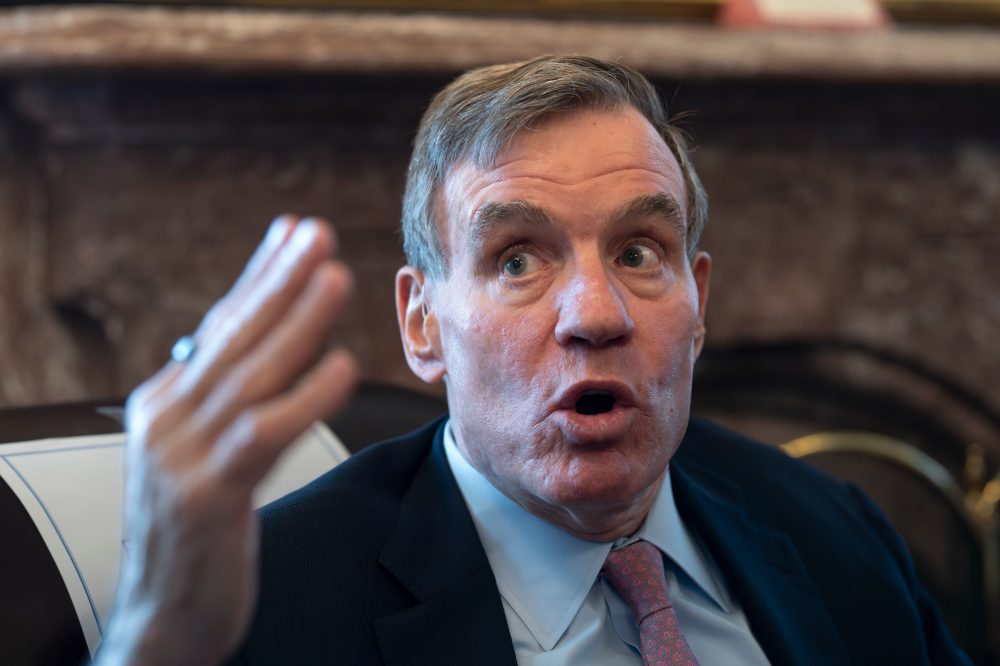
“I don’t deny that this is dangerous,” Virginia Sen. Mark Warner, the top Democrat on the Senate Intelligence Committee, said Thursday about Democrats allowing the Foreign Intelligence Surveillance Act to expire starting Saturday. “But this didn’t have to happen.”
The Democrats’ increased boldness coincides with frequent Republican clashes with Trump, who has demonstrated little willingness to compromise with legislators from either party. Democrats are preventing the renewal of the surveillance law, called FISA, to protest Trump’s selection of federal housing regulator and loyalist Bill Pulte to temporarily oversee the nation’s intelligence operations. This choice has also frustrated Republicans, who argue Pulte doesn’t possess the necessary experience for such a position.
Throughout the week, legislators from both parties pressed Trump to withdraw the appointment, and on Thursday he announced a permanent replacement for the position just as lawmakers departed Washington for the weekend. However, the Senate confirmation process requires time, and Trump has refused to reconsider Pulte’s interim appointment.
Without any changes, Democrats “are going to use every tool we have to fight back,” said Schumer, D-N.Y.
The FISA dispute has earned Senate Democrats renewed respect from base voters who were disappointed a year ago. Schumer and his caucus have “shifted to more of a fight posture,” says Joel Payne, a Democratic strategist who served as an aide to former Senate Majority Leader Harry Reid, D-Nev.
Senate Majority Leader John Thune, R-S.D., accused Democrats of playing “fast and loose” with national security over the past year. He referenced the 43-day government shutdown last fall and months-long delays in funding Trump’s immigration enforcement operations.
“How did we get to the point where one party has completely abdicated any responsibility for our nation’s security?” Thune asked.
Democrats counter that Pulte, who has minimal national security experience, poses a greater danger. They highlight that in his role as a federal housing regulator, he has advocated for investigations targeting prominent political figures Trump views as adversaries.
“It’s not a close call,” Sen. Chris Murphy, D-Conn. “We cannot extend these capabilities if the president is making clear that he’s going to use them not to protect the nation, but to protect himself politically.”
Strategist Payne believes Democrats have secured some additional leverage since the fall shutdown.
Democrats failed to obtain the health care subsidy extension they demanded when a small group of moderate Democrats joined Republicans to resolve the standoff. They also didn’t achieve their desired changes to U.S. Immigration and Customs Enforcement and Border Patrol after delaying funding for those agencies for months. However, the White House did agree to enter negotiations, despite those discussions ultimately failing.
Democrats have also become more cohesive. While moderates ended the fall shutdown, the party remained united in blocking immigration funding and the surveillance authority.
“They’ve showed Republicans they are not going to fold,” Payne said.
Nevertheless, this approach may not satisfy some party base members or help Democrats secure a majority in November’s midterm elections.
Andrew O’Neill, national advocacy director for the Democratic resistance group Indivisible, expressed concern about seeing some Democrats praise Jay Clayton, Trump’s permanent choice for the intelligence position.
Republicans are working quickly to confirm Clayton, the U.S. attorney for the Southern District of New York and a former Securities and Exchange Commission chairman, before Tulsi Gabbard departs and Pulte assumes the interim director role on June 19.
It remains uncertain whether Democrats will support Clayton or permit Republicans to expedite the process and confirm him rapidly.
O’Neill said he approves of Democrats blocking FISA over Pulte’s appointment, but activists remain cautious.
“It’s a mixed bag,” O’Neill said of the past year. “The frustration is it took so long.”
Senate Republicans find themselves caught between these competing forces, having spent months securing funding for border enforcement agencies and now managing the FISA disagreement, despite lawmakers reaching a bipartisan agreement.
Republicans are also attempting to collaborate with Trump, who disrupted the intelligence legislation by announcing Pulte’s appointment just as senators were prepared to approve the deal.
Trump has undermined Republicans’ standing — and his own Senate support — by endorsing primary challenges against sitting senators. Republican Sens. John Cornyn of Texas and Bill Cassidy of Louisiana both lost their primaries to Trump-supported candidates last month and have joined Democrats in opposing Pulte.
Senate Democrats express hope their strategy will provide sufficient leverage to attract more Republican allies.
Being in the minority presents “a difficult dynamic for us,” said Sen. Peter Welch, D-Vt. “But I’m seeing the Republicans start to move a little bit.”