
Senate Democrats are preparing to challenge the Trump administration’s dismantling of consumer financial protections through a series of strategic votes designed to put Republican lawmakers in difficult positions during this election cycle.
The voting strategy, scheduled for Wednesday, targets regulatory changes and policy reversals implemented by the Consumer Financial Protection Bureau since Republicans regained control of the agency in February 2025. Acting director Russell Vought, who simultaneously serves as President Trump’s budget chief, has eliminated 67 policies and has openly stated his intention to effectively eliminate the agency entirely.
Democratic lawmakers plan to utilize the Congressional Review Act to file Joint Resolutions of Disapproval, which would reverse recently implemented federal regulations. Although these measures are unlikely to succeed, Democrats view them as an opportunity to emphasize their economic messaging ahead of elections.
The proposed resolutions, numbering approximately 20, will address policy modifications affecting debt collection practices, buy-now-pay-later services, overdraft charges, and additional consumer finance matters.
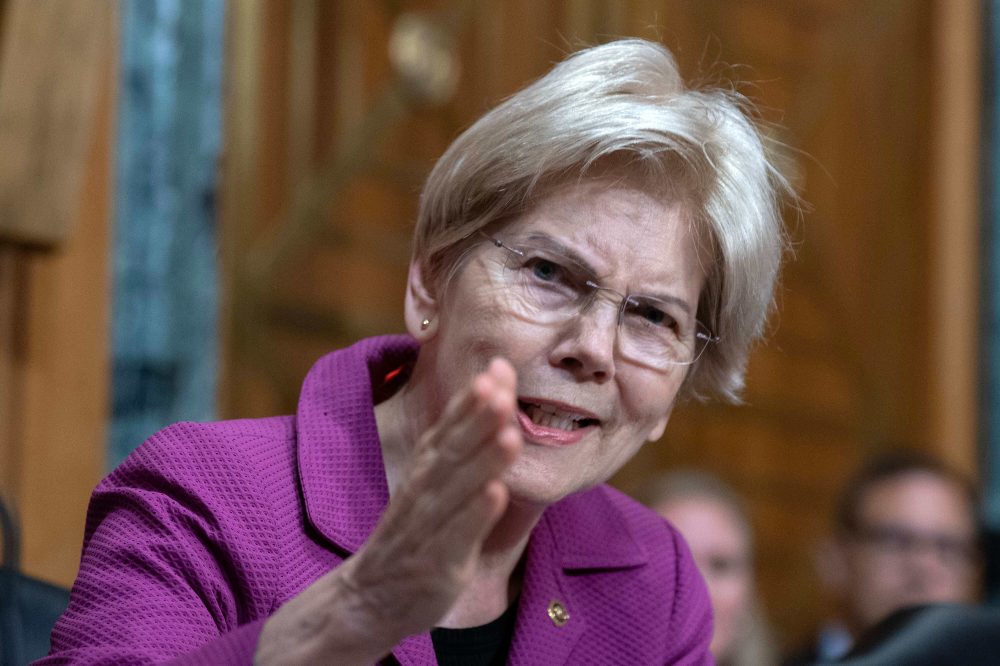
Massachusetts Senator Elizabeth Warren, the ranking Democrat on the Senate Banking Committee, is spearheading this effort. Warren originally conceived the CFPB in 2007 during her tenure as a Harvard Law School professor and remains its strongest congressional supporter.
“Today, we are going to hear from 20 senators about how the Trump administration has hurt American families by rolling back commonsense CFPB rules — and how Congress can make them right,” Warren plans to declare during Wednesday’s Senate floor proceedings.
The 1996 Congressional Review Act enables lawmakers to reverse agency regulations after their finalization. While rarely employed in its initial decades, the legislation gained prominence during Trump’s first presidency when Republican majorities overturned numerous Obama-era policies. Democrats similarly used this tool in 2021 to reverse several Trump administration rules.
These election-year votes may serve as political weapons against vulnerable Republican senators facing reelection battles, including Maine’s Susan Collins, Alaska’s Dan Sullivan, and Texas’s John Cornyn.
“I urge my Republican colleagues to listen with open ears and cast their votes on behalf of the consumers they were elected to represent,” Warren stated.
The CFPB has experienced significant operational disruption during Trump’s second term. Most bureau personnel remain under work suspension orders, and current activities primarily focus on reversing initiatives from the Biden administration and Trump’s first term. The agency’s funding is also expected to decrease following Trump’s tax and spending reduction legislation, which cut Federal Reserve transfers to the bureau.
Lawmakers established the CFPB following the 2008 financial crisis and recession, creating an independent regulatory body with extensive enforcement powers over consumer financial products and services. The bureau reported returning $17.5 billion to American consumers in 2024 while imposing $4 billion in fines and penalties on financial institutions.
Consistent polling data reveals bipartisan voter support for the CFPB and its mission. A March survey by Lake Research Partners and Chesapeake Beach Consulting showed more than 80 percent of Americans, including Republican majorities, endorsed the agency’s regulatory role over banks and financial service companies.