
WASHINGTON – A critical foreign surveillance program is heading toward expiration next week after the U.S. Senate failed to advance renewal legislation on Friday.
The chamber voted 47-52 against proceeding with debate on reauthorizing Section 702 of the Foreign Intelligence Surveillance Act, which is set to lapse on June 12 without congressional intervention. Seven Republicans crossed party lines to join Democrats in opposing the procedural motion, with only Pennsylvania Democrat John Fetterman supporting it.
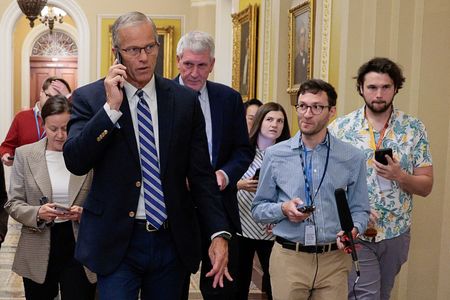
Senate Majority Leader John Thune expressed disappointment that nearly all Democrats voted against moving forward with the debate. The outcome represents a major blow for Republicans, who hold slim majorities in both congressional chambers.
Democratic opposition centers on President Donald Trump’s decision to name Federal Housing Finance Agency Director Bill Pulte as acting director of national intelligence, citing his absence of national security credentials.
Thune indicated the Trump administration may need to evaluate whether Pulte’s appointment is hindering efforts to extend the warrantless domestic surveillance authority, which lawmakers previously extended for 45 days on April 30.
“Next week, it gets real,” Thune told reporters. “A few days from now … the program goes dark. I just think that would be a dangerous mistake for the country. Hopefully, responsible folks will come to the table and at least help us figure this out.”
While acknowledging the timing of Pulte’s appointment “arguably wasn’t the best,” Thune maintained, “I still don’t think it ought to derail something that’s this important.”
This legislative defeat adds to a series of instances where some Senate Republicans have resisted various Trump proposals, including his request for $1 billion to construct a 90,000-square-foot White House ballroom and create a $1.776 billion fund for compensating political allies who claim government mistreatment.
Public polling indicates limited support for such initiatives as voters seek Washington action on rising inflation rates, partly attributed to the United States’ conflict with Iran that has disrupted global oil transportation.