
Secretary of State Marco Rubio conducted diplomatic talks at the Vatican Thursday, meeting with Pope Leo XIV in an effort to repair strained relations following President Donald Trump’s public criticism of the pontiff over Middle East policy.
The diplomatic mission included a 2½-hour session where Rubio sat down with both Pope Leo XIV and Vatican Secretary of State Cardinal Pietro Parolin to address tensions that have emerged between the Trump administration and the Holy See.
Meanwhile, Iran announced it is examining new American proposals to conclude the ongoing conflict, while Trump issued fresh warnings of military strikes unless Tehran agrees to terms that would reopen the strategically important Strait of Hormuz for global shipping. These developments come after several days of conflicting signals from the Trump administration regarding its war strategy.
State Department spokesman Tommy Pigott confirmed that Rubio and the Pope covered Middle Eastern developments “and topics of mutual interest in the Western Hemisphere. The meeting underscored the strong relationship between the United States and the Holy See and their shared commitment to promoting peace and human dignity,” Pigott stated.
Regarding the separate discussion with Cardinal Parolin, Pigott noted the diplomats addressed “ongoing humanitarian efforts in the Western Hemisphere and efforts to achieve a durable peace in the Middle East. The discussion reflected the enduring partnership between the United States and the Holy See in advancing religious freedom,” according to the statement.
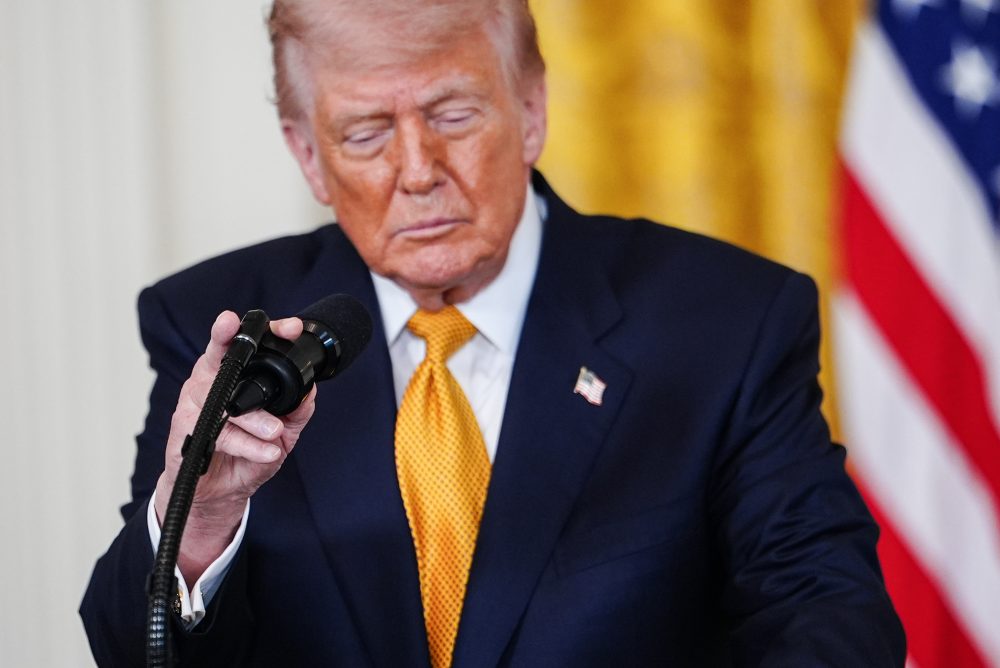
The Vatican visit by Rubio, who practices Catholicism, was arranged to address ongoing friction after Trump’s public attacks on Pope Leo XIV regarding the Chicago-born pontiff’s stance on Iran and nuclear weapons policy. The Pope has responded by defending his biblical message of peace and challenging Trump’s characterizations of his positions.
Cardinal Parolin defended the Pope on the eve of Rubio’s arrival, stating in diplomatic language: “Attacking him like that or criticizing what he does seems a bit strange to me, to say the least.” Parolin confirmed that Washington had initiated the request for Rubio’s audience and that the Pope remained willing to continue diplomatic dialogue.
The Trump administration’s messaging on the Iran situation has shifted dramatically in recent days, moving from declarations that a fragile ceasefire was maintaining stability and military actions had concluded, to renewed threats of bombing campaigns against the Islamic Republic.
Defense Secretary Pete Hegseth began Tuesday by describing how U.S. forces were safeguarding stranded vessels attempting to navigate the Strait of Hormuz. Later that day, Rubio announced at the White House that the military mission was “concluded” and objectives had been met, while simultaneously noting Trump continued pursuing a “path of peace” requiring Iranian agreement to reopen the critical shipping lane.
By Tuesday night, Trump declared the ship protection effort was suspended pending potential agreement negotiations. Wednesday morning brought another warning that bombing operations would restart if Tehran rejected American conditions.
Iran’s announcement that it is studying the newest American proposals for ending the two-month conflict provided some optimism to international markets Thursday, despite U.S. military forces firing on an Iranian oil tanker that attempted to break through an American port blockade just hours earlier.
Trump posted on social media that the prolonged war might soon conclude and that disrupted oil and natural gas shipments could resume, contingent on Iran accepting an undisclosed agreement he referenced.
“If they don’t agree, the bombing starts,” Trump wrote.