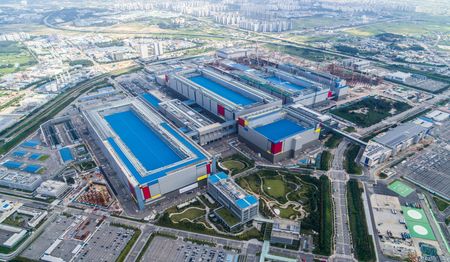

Approximately 40,000 Samsung Electronics employees gathered for a massive demonstration at the company’s Pyeongtaek manufacturing facility in South Korea on Thursday, expressing frustration over compensation packages they say fall far short of competitor SK Hynix.
The demonstration represents the largest worker protest in Samsung’s history, according to union organizers. The tech giant, historically known for discouraging union activity, experienced its first-ever employee walkout in 2024.
Workers are threatening to launch an 18-day work stoppage beginning May 21 unless their compensation demands are addressed. Such a strike could potentially interrupt artificial intelligence chip manufacturing and deliveries to major clients.
The primary source of employee discontent centers on what they describe as significant differences in bonus compensation compared to SK Hynix, Samsung’s local competitor. SK Hynix gained an early advantage in the AI market by successfully delivering high bandwidth memory products to Nvidia and other customers after ChatGPT’s launch in late 2022.
Despite the competitive challenges, Samsung has also benefited from the artificial intelligence surge, with company profits reaching unprecedented heights.
Song Yong-gi, a 39-year-old logistics coordinator in Samsung’s semiconductor division, explained the impact on employee retention. “In reality, many employees are leaving for SK Hynix,” Song stated. “At the end of the day, more than 90% of employees work for pay, and the compensation gap has become so wide that it’s driving these moves.”
Additional Samsung employees participating in the black vest-wearing demonstration at the Pyeongtaek location confirmed that numerous coworkers have departed for SK Hynix positions.
According to the Samsung Electronics Labour Union’s analysis, a semiconductor division worker earning a base salary of 76 million won would receive approximately 38 million won in bonus compensation for 2025. This amount represents less than one-third of what an equivalent SK Hynix employee would earn.
Samsung management indicated they remain committed to reaching a prompt resolution through ongoing wage discussions.
A Samsung representative, speaking without attribution, warned that production interruptions from “even a single strike” could harm customer relationships and require years to rebuild trust.
The compensation dispute intensified after SK Hynix agreed to union demands for payment restructuring and substantial bonuses in September, increasing Samsung workers’ frustration and driving union membership growth.
Current union participation exceeds 90,000 members, representing more than 70% of Samsung’s South Korean employee base.
A major point of contention involves the union’s request to eliminate the current bonus payment ceiling, which limits bonuses to 50% of annual base wages. Management has refused this demand, while SK Hynix reportedly agreed to remove their bonus cap.
Samsung’s union is also seeking allocation of 15% of yearly operating profits for bonus payments and a 7% increase in base salaries.
Company leadership has countered with an offer of 10% of operating profits for performance-based pay, plus additional funding to ensure memory division workers receive higher compensation than competitors this year.