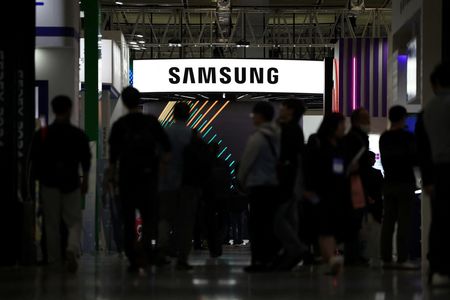

Samsung Electronics is poised to announce extraordinary first-quarter earnings on Tuesday, with analysts predicting the South Korean tech giant will post operating profits that could reach record-breaking heights.
Driven by skyrocketing memory chip prices fueled by artificial intelligence demand, Samsung is expected to reveal a dramatic six-fold increase in operating profit for the January through March period. Industry experts estimate profits will hit 40.5 trillion won ($26.9 billion) alongside a 50% revenue increase, based on analysis from 29 financial analysts compiled by LSEG SmartEstimate.
To put this achievement in perspective, Samsung’s projected quarterly earnings nearly equal the 43.6 trillion won in operating income the world’s largest memory chip manufacturer generated for the entire previous year. Some Wall Street firms are even more optimistic, with Citi projecting profits could reach 51 trillion won.
Samsung attributes this remarkable performance to what the company describes as an “unprecedented supercycle” in the memory chip market.
“You couldn’t ask for things to be better,” commented Ko Yeongmin, an analyst with Daol Investment & Securities, highlighting the robust strength currently seen in memory chip demand.
However, investors will be watching closely for any indication of how ongoing Middle East conflicts might affect Samsung’s impressive growth trajectory. The company typically provides limited forward-looking commentary during initial earnings announcements, saving detailed outlooks for comprehensive reports released later each month.
The regional conflict has created new challenges, including elevated energy expenses and potential disruptions to critical manufacturing materials. These factors could potentially lead major technology companies to scale back their massive artificial intelligence data center investments.
Additionally, market watchers have noted some softening in spot pricing for DRAM (dynamic random access memory) chips as device makers have increased prices on smartphones, computers and other consumer electronics, which has dampened buyer demand.
These concerns, combined with Google’s introduction of memory-efficient TurboQuant technology last month, have triggered selling pressure on memory chip stocks. Samsung’s share price has declined 14% since the conflict began on February 28, though the stock remains up 50% year-to-date, supported by Big Tech companies’ multi-billion dollar AI investment commitments.
Despite recent market volatility, industry experts maintain optimistic views about future prospects, pointing to persistent memory chip supply shortages.
“We have seen a cooling (in memory chip spot prices) over the last 3-4 weeks yes. We do believe it’s temporary,” explained Tobey Gonnerman, president of semiconductor distributor Fusion Worldwide.
“The demand and backlog remains strong,” Gonnerman added, emphasizing that memory production capacity will likely fall short of total market demand for an extended period.
Market research firm Trendforce supports this outlook, forecasting continued price increases for traditional DRAM chip contracts. After doubling during the first quarter compared to the previous quarter, contract prices are projected to climb an additional 58-63% in the April-June timeframe.
Samsung Electronics co-CEO Jun Young-hyun revealed to shareholders last month that the company is negotiating extended three-to-five year contracts with key customers to provide protection against potential demand volatility.
While Samsung’s memory chip operations will generate the majority of company profits, other business segments face headwinds. The contract chip manufacturing division, which competes directly with TSMC, is anticipated to continue operating at a loss, though it recently secured a promising partnership with Nvidia to produce next-generation AI inference processors.
Both the smartphone and display panel divisions are expected to experience roughly 50% profit declines in the first quarter due to increased memory component costs and intensifying market competition, according to Kiwoom Securities analysis.
Samsung may also confront rising labor expenses, as South Korean employee unions have demanded changes to bonus structures and issued strike threats for May.