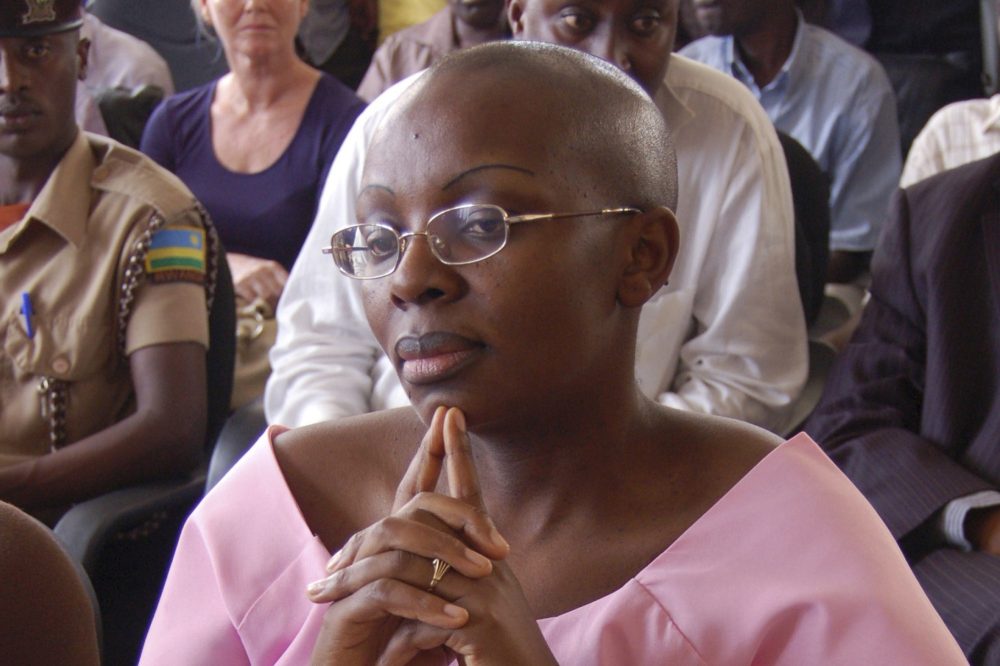

KIGALI, Rwanda — A trial involving Rwandan opposition leader Victoire Ingabire got off to a delayed start Monday after she informed the court that spending a year in detention had left her physically and mentally unprepared to proceed with the case.
Ingabire appeared before the high court in Kigali, Rwanda’s capital, where she stated she was not well enough to stand trial. Her legal team had already notified prosecutors ahead of time that a postponement would be needed. The presiding judge granted the request, pushing the start of the trial back by one day.
She faces accusations from prosecutors of conspiring to incite unrest against the government of President Paul Kagame. If found guilty, she could spend many years in prison. Ingabire, however, has firmly rejected those charges, calling them baseless and part of a political effort to shut down her pro-democracy movement.
During her court appearance, Ingabire also raised concerns about being prevented from communicating with family members living outside Rwanda and said she had been unable to speak with others who are accused alongside her.
Prosecutors countered that Ingabire had been in unauthorized contact with nine other suspects, including members of the DALFA-Umurinzi group that she leads — an organization the Rwandan government does not officially recognize.
Ingabire has long been one of Kagame’s most persistent critics. She previously led the FDU-Inkingi group, a coalition of opposition parties that was also never allowed to register with the government. Most of those who oppose Kagame have fled Rwanda and continue their activism from abroad, making Ingabire unusual in that she has at times been the only opposition figure maintaining her activism from inside the country.
She spent 16 years living in exile in the Netherlands before returning to Rwanda in 2010 with plans to enter politics. She was arrested before she ever had the chance to run in the presidential election.
In a previous legal case, she was convicted of conspiracy against the government and of denying Rwanda’s 1994 genocide — charges she has consistently denied. She received a 15-year prison sentence but was released in 2018 following a presidential pardon.
Kagame’s party has governed Rwanda since 1994, and his administration has received recognition for maintaining relative peace and stability while working to heal the country’s deep ethnic divisions. However, human rights organizations have accused his government of widespread abuses, silencing independent journalists, and suppressing political opposition — accusations Kagame denies.