
A high-ranking Russian foreign ministry official criticized Western nations’ involvement in the Ukraine conflict during a Thursday meeting with diplomatic representatives from three European countries in Moscow.
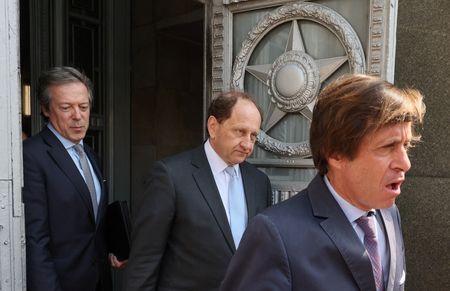
Mikhail Galuzin, who serves as Russian Deputy Foreign Minister, hosted ambassadors from France, Germany and Britain at the foreign ministry, where he accused their governments of pursuing what he called a “destructive policy” regarding the ongoing war.
Following the diplomatic session, French ambassador Nicolas de Riviere spoke with media outside the ministry headquarters, describing the exchange as a “good discussion” and indicating the three nations would issue a joint statement at a later time.
Thursday’s Moscow gathering occurred days after leaders from the three European nations held talks with Ukrainian President Volodymyr Zelenskiy in London this past Sunday. The three countries form an informal security partnership known as the E3, which has become a significant source of international backing for Ukraine, and during the London meeting they endorsed Zelenskiy’s appeal for a ceasefire.
According to an official statement from Russia’s Foreign Ministry, Galuzin provided the visiting diplomats with what the ministry termed “an objective assessment of the destructive policy pursued by their countries’ leaderships regarding the Ukrainian crisis, which is aimed at maximally encouraging the Kyiv regime to continue the war against Russia on behalf of, at the expense of, and with the direct assistance of the Western ‘coalition of the willing’.”
The ministry’s statement added that “The Russian side’s fundamental approaches to seeking a political and diplomatic settlement of the conflict based on addressing its root causes were explained” during Galuzin’s presentation.
During Sunday’s discussions at Downing Street, the European officials and Zelenskiy reached agreement on several key points: establishing the present contact line between Russian and Ukrainian military forces as a foundation for future negotiations; providing Ukraine with legally enforceable security assurances that would include deploying an international peacekeeping force; and keeping seized Russian financial resources frozen until Russia provides compensation to Ukraine for war-related damages.
Russian President Vladimir Putin has maintained his firm position regarding the conflict, though he indicated last week that peace proposals from U.S. President Donald Trump might offer a path toward ending hostilities.
Speaking to international journalists in St Petersburg, Putin expressed openness to discussions with European political figures while questioning their suitability as peace negotiators.
“What kind of mediator can the European Union or individual EU countries be when they directly assist a country with which we are in armed conflict?” he said.