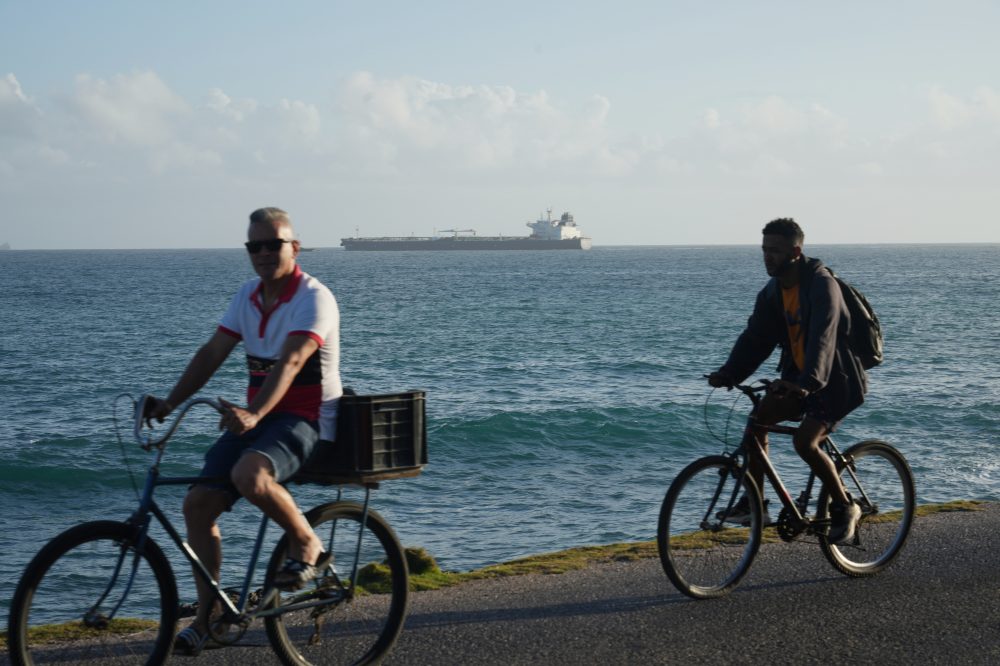

Russian officials announced Thursday their intention to dispatch another oil tanker to Cuba, as the Caribbean island struggles with a deepening energy crisis that has left millions without reliable power.
Energy Minister Sergei Tsivilyov made the declaration during an energy conference in Kazan, Russia, just two days following the arrival of the sanctioned vessel Anatoly Kolodkin at Cuba’s Matanzas port. That delivery brought 730,000 barrels of crude oil to the island, representing the first such shipment in three months and providing enough fuel to meet Cuba’s diesel needs for approximately nine to ten days, according to energy analysts.
Speaking at the forum, Tsivilyov characterized Cuba’s situation as dire. “Cuba is in a total blockade, it’s been cut off. Whose shipment of oil made it? A Russian vessel broke through the blockade. A second one is being loaded right now, we will not leave Cubans alone in trouble,” the minister stated.
The oil deliveries occur against a backdrop of escalating tensions, as President Donald Trump issued threats in late January regarding potential tariffs against nations providing petroleum products to Cuba. However, Trump recently indicated a more dismissive stance toward the Russian shipments, suggesting they would have minimal impact on Cuba’s government stability.
“Cuba’s finished,” Trump remarked to reporters during his return flight to Washington on Sunday. “They have a bad regime. They have very bad and corrupt leadership and whether or not they get a boat of oil, it’s not going to matter.”
The island nation’s energy infrastructure has been severely strained, as Cuba can only meet approximately 40% of its fuel requirements through domestic production, making it heavily dependent on foreign oil imports to maintain its deteriorating electrical grid.
Venezuela, previously a key supplier of petroleum to Cuba, ceased its shipments following U.S. actions against the South American nation and the arrest of its leadership. Mexico similarly discontinued its oil exports to Cuba after receiving tariff warnings from the Trump administration.
These supply disruptions have intensified Cuba’s economic and energy difficulties, resulting in widespread power outages, reductions in government food distribution programs, and critical shortages of clean water and medical supplies that disproportionately affect the island’s most vulnerable populations.