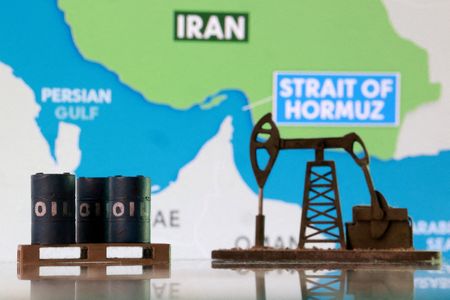

MOSCOW – Oil prices have surged to their highest point since July 2024 following recent U.S. and Israeli military actions against Iran, but even this boost won’t be enough to rescue Russia’s struggling federal budget, new analysis reveals.
The Kremlin is grappling with a widening budget shortfall, largely driven by declining revenues from oil and natural gas sales that typically account for nearly 25% of government income.
Although international crude oil climbed above $83 per barrel this Tuesday, Russian petroleum sells at a significant markdown compared to the global Brent standard. February data shows Russian oil traded at an average discount of $26.50 per barrel below international rates.
This price penalty stems primarily from Western economic sanctions imposed over Moscow’s invasion of Ukraine, including a price ceiling that the European Union reduced to $44.10 per barrel starting February 1st, designed to limit Russia’s petroleum earnings.
Government finances have been severely strained by massive defense and security expenditures since Russia launched its military operation in Ukraine in February 2022.
Financial analysis indicates Russia’s Urals oil blend would need to jump more than 50% from its March 2nd level of 3,582 rubles ($46.13) per barrel to reach the government’s budget projections.
Moscow’s 2026 budget planning assumes oil will sell for 5,440 rubles per barrel (approximately $59) with an exchange rate of 92.2 rubles per dollar.
Alternatively, if oil prices remain steady, the ruble would need to weaken dramatically to 117.5 per dollar from its current rate of around 77.65 to balance the budget.
Central bank advisor Kirill Tremasov indicated Saturday that officials don’t anticipate a ruble collapse, while cautioning that the current oil price surge may be temporary.
“Therefore, the government is focusing on a long-term forecast, not on what will happen in the next week or month,” he explained to reporters.
Russia’s public debt could potentially expand to nearly three times the official projection by year’s end as reduced oil sales and deeper price cuts erode revenues, while government spending may exceed estimates.
The budget projects 8.92 trillion rubles in oil and gas revenue this year, though current collection rates are falling behind this target.