
Escalating jet fuel expenses stemming from Middle East conflicts are expected to force additional airlines into financial collapse and accelerate industry mergers throughout this year and the next, according to the leader of the global airline trade organization who spoke on Saturday.
Airlines worldwide are confronting elevated fuel expenses caused by the U.S. and Israel’s conflict with Iran, which has restricted jet fuel availability and disrupted major air routes, requiring expensive route changes.
Low-cost carriers have faced particularly severe challenges, as they lack diversified revenue sources like premium seating, high-value passengers and credit card rewards programs.
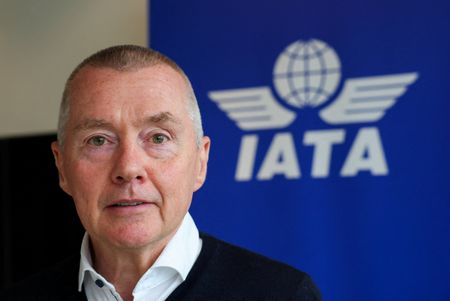
The financial pressure is already evident: U.S. budget carrier Spirit Airlines went bankrupt last month, and additional failures are anticipated, according to Willie Walsh, director general of the International Air Transport Association, the industry’s primary trade organization.
“Unfortunately I think there will be some carriers that will find this high fuel price very difficult to cope with,” Walsh told Reuters at IATA’s annual summit in Rio de Janeiro, adding he expects some airlines to go out of business and others to be acquired by larger carriers.
Despite these pressures, the challenges don’t signal the demise of the budget airline business model, which remains successful beyond the United States, where the three major carriers, United Airlines, Delta Air Lines and American Airlines, are eliminating low-cost competitors, Walsh noted.
“I don’t see that the low-cost model is broken, in fact, quite the opposite,” he said, highlighting Ryanair’s strong performance in Europe as an example.
One major merger Walsh doesn’t anticipate: United Airlines CEO Scott Kirby’s bold suggestion to purchase rival American Airlines and form a massive U.S. aviation company. The concept, which emerged earlier this year, didn’t materialize despite Kirby discussing it with President Donald Trump.
“I don’t think that’s going to happen. I think the regulatory hurdles would be very significant. I don’t know whether that was a genuine effort to pursue consolidation or Scott just trying to stir up some media,” Walsh said.
The Iran conflict has disrupted passenger flows through Middle Eastern aviation centers including Dubai, Doha and Abu Dhabi, presenting serious obstacles for Gulf airlines such as Emirates, Qatar Airways and Etihad.
Walsh indicated he didn’t believe the conflict would cause lasting harm to the Gulf region as an aviation center, given its strategic location and the importance of the prominent Gulf carriers, which represent 14% of worldwide capacity.
“That capacity cannot be replaced by airlines from other regions around the world,” Walsh said.
“Once things settle down, I would expect the Gulf carriers to regain their important position in the market.”
Compounding the difficulties is the delayed delivery schedule from Boeing and Airbus, combined with engine production delays from GE Aerospace and Pratt & Whitney, a unit of RTX, restricting airlines’ capacity to expand their fleets and enhance operational efficiency.
Walsh noted the industry’s growing frustration with these delays, especially as engine manufacturers report substantial profits while airlines face financial difficulties. He calculates that supply chain disruptions cost airlines approximately $11 billion last year.
“We’re disappointed that they’re not moving faster. We’re disappointed that they’re not sharing the pain that the airline industry is sharing,” he said.
Aircraft and engine manufacturers have stated that many delays are beyond their control, resulting from post-pandemic supply chain problems and political trade conflicts.
As airlines experience financial pressure and environmental policies lose support in the U.S. under Donald Trump, industry executives have become more cautious about achieving a 2050 net zero emissions objective.
Walsh stated IATA isn’t prepared to abandon this target.
“I certainly believe it’s more challenging to achieve net zero in 2050 because we’ve not made the progress that we had expected to see on the development of sustainable fuels,” he said.