
Rising energy prices stemming from the Iran conflict are severely limiting the reach of international humanitarian organizations, forcing them to assist fewer people during a time of increasing global need, according to the head of a major aid group.
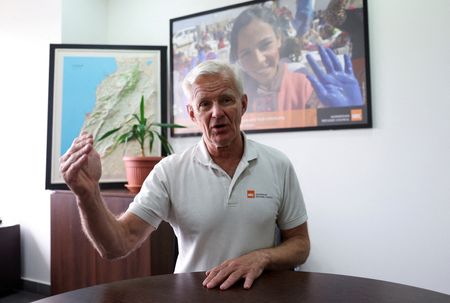
Jan Egeland, who leads the Norwegian Refugee Council and previously served as the UN’s chief humanitarian official from 2003 to 2006, explained Thursday how escalating fuel costs are impacting operations worldwide for his organization, which ranks among the world’s top non-governmental groups focused on helping displaced populations.
Speaking to international media from the NRC’s Oslo headquarters, Egeland detailed the financial strain his organization faces. “We have 1,500 vehicles in our operations; they run on diesel. In some countries, it’s twice the cost now to run those,” he explained.
The energy crisis extends beyond transportation costs, affecting all aspects of humanitarian work. “The generators needed in the places we haven’t solarized yet are much more expensive, so running a school or a hospital (is more expensive),” Egeland noted.
Food procurement has also become significantly costlier, he said: “The food that we have to purchase on the market — local markets, regional markets — has become much more expensive per family in need. And our staff find it very hard to live on the salary that we can give them compared to before.”
These mounting expenses mean the NRC will reach fewer people this year despite “exploding” humanitarian needs, particularly as donor nations have shifted funding toward defense spending, Egeland warned. “Through this year, fewer people will get assistance because of the cost increase,” he stated.
The NRC has maintained operations in Palestinian territories since 2009, including throughout the recent Gaza conflict. However, the organization faces new challenges after losing its Israeli registration, despite a February ruling by Israel’s Supreme Court that temporarily prevented the government from closing Gaza operations of multiple aid groups.
While the NRC retains local personnel in Gaza, it cannot deploy international staff to support them. “We have already had to relocate our headquarters to Amman,” Egeland said. “We do remote leadership management from Amman.”
Egeland offered mixed assessment of recent diplomatic developments, calling President Trump’s 20-point Gaza plan “wonderful” because “it stopped the massacres and the full-scale war.”
However, he expressed concerns about current conditions: “But we are now frozen in some halfway house where Israel is still militarily there. They’re still destroying homes. Hamas is not disarmed and the aid groups are denied access. This is no peace. This is no implementation. The Trump peace plan is in grave danger.”
Israeli officials maintain they are not restricting supplies to Gaza’s more than 2 million residents. Nevertheless, Palestinian authorities and international relief organizations report that aid deliveries remain inadequate, despite January ceasefire agreements that promised increased humanitarian access.