
A prestigious medical publication is refusing to participate in a U.S. Senate investigation examining the origins of the COVID-19 pandemic, according to statements made by the journal’s top editor.
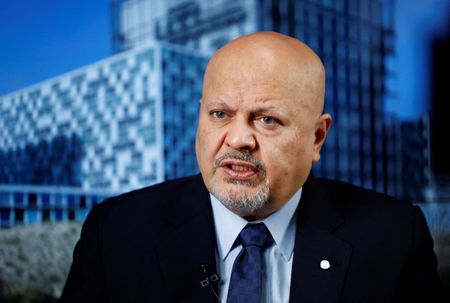
Richard Horton, editor-in-chief of The Lancet, announced during a Reuters interview in Barcelona on Friday that his publication will not comply with a Senate request for evidence related to the pandemic’s beginnings.
“We have received a request to go and give evidence at a Senate inquiry, which we’re not going to do,” Horton stated during the Reuters Pharma event.
The journal’s refusal stems from objections to how the previous administration handled prominent scientists, particularly Dr. Anthony Fauci, who spearheaded America’s pandemic response efforts. Horton explained that The Lancet would not cooperate “with an administration that has attacked some of the foremost scientists of our age.”
Dr. Fauci has endured ongoing threats and criticism from former President Donald Trump and Republican lawmakers since his tenure. Trump terminated Fauci’s federal security detail last year.
According to Horton’s February writings, The Lancet received a December 2025 request demanding all coronavirus-related documentation from 2018 through 2022, encompassing emails, research notes, and published studies. The journal Science received an identical request, as reported on their website.
The investigation is being conducted by Senator Rand Paul, who currently leads the Homeland Security and Governmental Affairs Committee. Paul has been examining U.S. financial support provided to a virology laboratory in Wuhan, China, where the pandemic first emerged in 2020.
Paul’s office has not yet responded to requests for comment regarding the journal’s refusal.
“They’re still perseverating over Wuhan and what took place there in the latter part of 2019,” Horton remarked.
While the World Health Organization and most scientific experts believe the pandemic likely resulted from natural transmission from animals to humans, investigations have been hindered by insufficient data from China. However, U.S. intelligence agencies concluded last year that a laboratory accident was the probable cause.