
BEIRUT – The sound of Israeli airstrikes in early March forced Hawraa Houmani to make a difficult choice. At 29 years old and nearly ready to give birth, she abandoned her village close to Nabatieh and sought refuge at a Beirut school shelter. The move meant leaving behind the physician who had monitored her pregnancy.
“I had prepared myself physically and mentally for that doctor, for her to be the one delivering,” Houmani said.
When Houmani sought prenatal care at a Beirut medical facility, staff refused to see her. However, when labor pains began seven days later, the same hospital admitted her. Her son Ali was born on March 11.
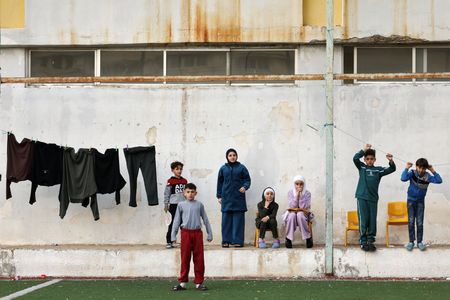
The following day brought her back to a classroom that now serves as home for herself, her spouse, their 4-year-old child, and extended family members who also fled. They join more than one million Lebanese citizens who have been forced to relocate since the March 2 outbreak of hostilities between Israel and Hezbollah.
According to UNFPA, the United Nations reproductive health organization, approximately 13,500 pregnant women are currently displaced throughout Lebanon. Medical officials anticipate that as many as 1,500 of these women will deliver babies within the coming month.
Living conditions at the shelter present daily challenges for Houmani, who shares bathroom facilities with numerous families. She expresses concern about maintaining proper hygiene while nursing and washing her children. Baby Ali developed respiratory symptoms and facial irritation within his first two weeks of life. The family desperately wants pediatric medical attention, but no doctors have visited their shelter.
Sabah Marji, Ali’s 64-year-old grandmother, held both Ali and his newborn cousin Fatima, who arrived just before the conflict began.
“Right now, I feel great about them, but the joy is incomplete. It’s not the same as when a person is living in their own home with everything around them,” she said.
Ahlam Sayegh, a midwife who also evacuated from Nabatieh, provides whatever assistance she can to displaced expectant and new mothers in Beirut, though resources remain scarce.
“We are giving support, but at the same time most of that support is mainly psychological support – support by telling them what they should do, when the necessities required to put that into practice on the ground are not reaching them,” she said.
Sarah Shahla, 31, was carrying her daughter at five months when the bombardment commenced. She escaped Nabatieh alongside her husband and two boys. At her current shelter, she operates a small business selling sweets and snacks.
With Lebanon nearing one month of renewed warfare and Israel warning of potential southern occupation, Sarah maintains hope of returning home before her daughter’s arrival.
“Of course, I hope that she comes into a life better than this one, that she comes into a life with stability, safety, a family atmosphere, a sense of home, all of these things.”