
LONDON — The political future of British Prime Minister Keir Starmer appears increasingly uncertain following devastating losses for his Labour Party in recent local elections.
The electoral setbacks may represent the breaking point for a leader already facing criticism over his controversial choice to name Peter Mandelson as Britain’s envoy to Washington, given the seasoned politician’s connections to Jeffrey Epstein.
Multiple Labour members of Parliament are demanding Starmer’s resignation and calling for a leadership race to select his replacement, who would assume the role of prime minister.
Despite the mounting pressure, Starmer maintains he will remain in his position, and no official leadership challenge has been initiated.
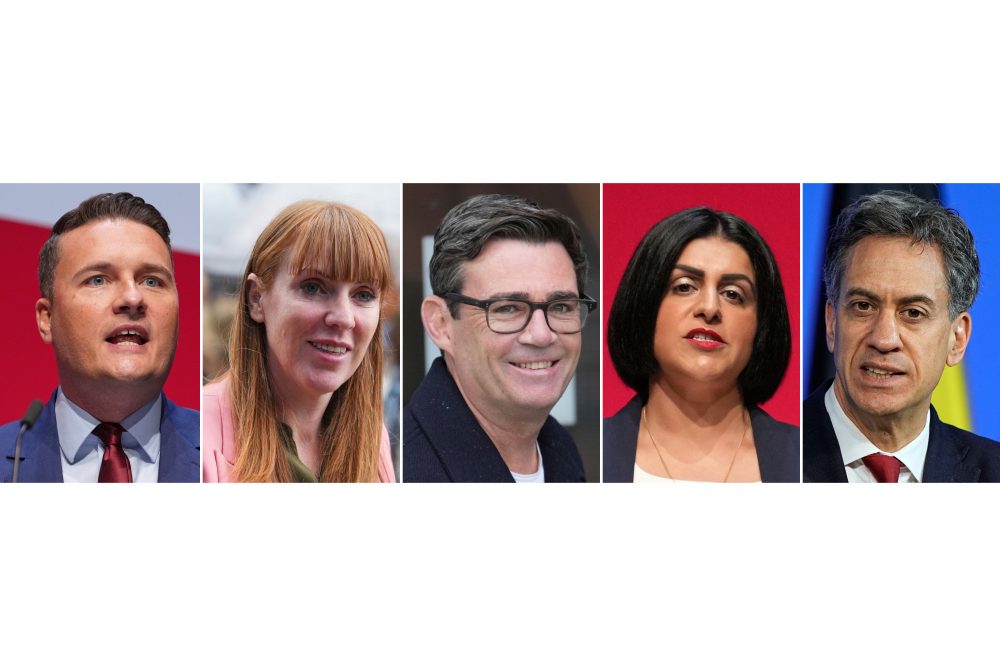
Though no obvious favorite has emerged to succeed Starmer, several prominent figures are being discussed for the position:
At 43, Health Secretary Wes Streeting has earned recognition as among the administration’s most effective speakers and has spearheaded efforts to reform Britain’s struggling National Health Service, a cornerstone government promise.
Speculation about his prime ministerial ambitions intensified last year when Starmer’s supporters reportedly informed British news outlets that the prime minister would resist any leadership challenges, with much of the conjecture focusing on Streeting.
The lawmaker, who entered Parliament in 2015, firmly rejected suggestions he was scheming against Starmer, dismissing such claims as “nonsense.”
Former deputy prime minister Angela Rayner has distinguished herself through her unique background and personal journey. Raised in public housing, she became a teenage mother and left education at 16.
The 46-year-old Rayner worked extensively with labor organizations before winning her parliamentary seat in 2015 and represents the party’s progressive wing. She quickly advanced through Labour’s leadership hierarchy during their opposition years and secured the deputy leadership in 2020.
While Rayner commands substantial party backing, she was compelled to leave government last year after acknowledging insufficient tax payments on a property transaction. She continues to await results from an official investigation into that matter.
Following the controversy surrounding Epstein-related documents and Mandelson, Rayner spearheaded a parliamentary uprising that forced the government to transfer authority to Parliament’s Intelligence and Security Committee for determining which materials should be made public.
Former Cabinet member Andy Burnham, who serves as the well-regarded center-left mayor of Greater Manchester, has been viewed as a potential challenger to Starmer. However, his leadership chances suffered when Labour prevented him from running as their parliamentary candidate in a February special election.
According to established tradition, the prime minister must hold a seat in Parliament. Burnham’s allies prefer postponing any leadership competition to allow him time to regain Commons membership through a special election.
The 56-year-old Burnham held significant positions in earlier Labour administrations, including culture secretary and health secretary roles.
Energy Secretary Ed Miliband previously led the Labour Party, though his five-year tenure as opposition leader concluded with the party’s 2015 electoral loss. While the 56-year-old Miliband has publicly dismissed interest in resuming the position, he remains among the Cabinet’s most seasoned members.
Home Secretary Shabana Mahmood, 45, manages one of government’s most challenging portfolios, supervising immigration policy and public safety matters. Her efforts to strengthen border security and combat illegal immigration have earned favor among Labour’s more conservative members.