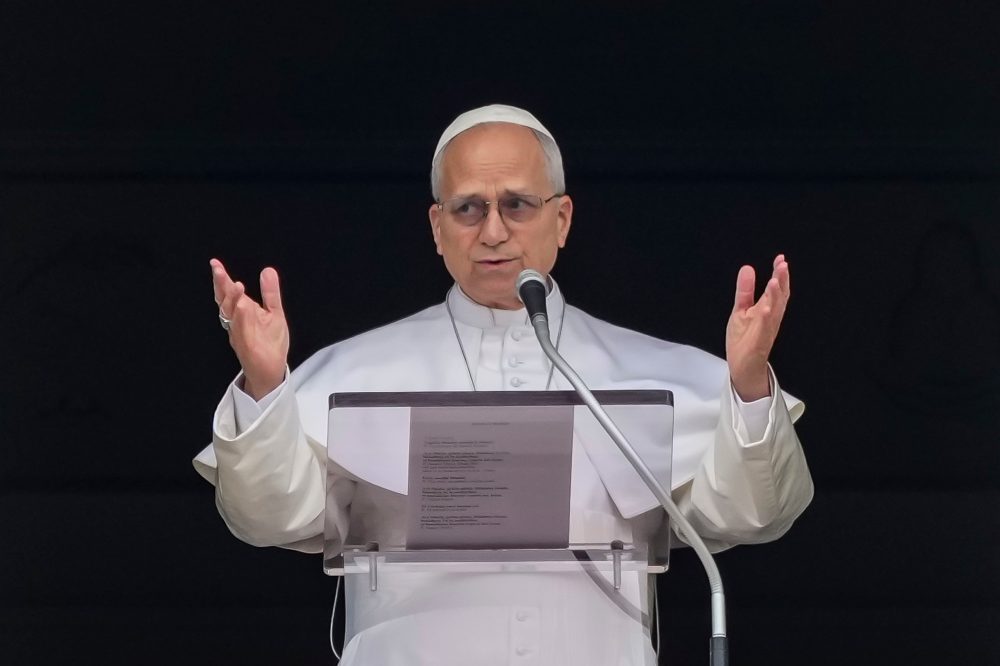

ROME — Pope Leo XIV demonstrated his expanding focus on addressing Catholic Church abuse scandals Monday by conducting two prominent meetings that addressed the protection of vulnerable adults and allegations against the influential Opus Dei organization.
The pontiff scheduled consecutive sessions focused on abuse prevention: a meeting with the Vatican’s child protection advisory board and a separate audience with investigative journalist Gareth Gore, who authored “Opus: The Cult of Dark Money, Human Trafficking and Right-Wing Conspiracy Inside the Catholic Church.”
The Vatican made a point of publicizing the Gore meeting, including it on the pope’s official schedule and distributing photographs of their encounter.
During his address to the Pontifical Commission for the Protection of Minors, Leo acknowledged how the #MeToo movement has brought worldwide attention to abuse cases involving adults in vulnerable positions within the church.
These situations encompass seminarians and religious sisters who experience spiritual, psychological, physical or sexual mistreatment from their supervisors, along with regular churchgoers who become victims of manipulative spiritual advisors.
Church leadership has historically overlooked such adult-focused abuse cases, concentrating primarily on the institution’s devastating record of clergy sexual abuse involving minors.
This year, the Pontifical Commission is examining adult vulnerability issues, and Leo offered encouragement to commission members Monday. He emphasized the importance of the church hearing from victims.
“By reading these ‘signs of the times,’ you help the church to address safeguarding challenges courageously, and respond with pastoral clarity and structural renewal,” he said.
Leo has previously demonstrated awareness of alleged misconduct within Opus Dei, the powerful organization established by Spanish priest Josemaría Escrivá in 1928, which received strong support from St. John Paul II.
The organization, whose Latin name translates to Work of God, counts 90,000 members across 70 nations.
Gore, who works as a financial journalist and editor, released “Opus” in 2024, documenting alleged financial misconduct and other abuses within the organization. Opus Dei strongly disputed the publication, releasing a 106-page response with “clarifications” for media outlets following its release.
During 2024, Argentine prosecutors determined sufficient evidence existed to pursue criminal charges against senior South American Opus officials for human trafficking and labor exploitation involving 44 women who claimed they were recruited for household work.
Several complainants had informed AP in 2021 that they labored under “manifestly illegal conditions” including unpaid work shifts exceeding 12 hours with only meal and prayer breaks, lack of Social Security registration, and other fundamental rights violations.
Formal charges have not yet been filed in the matter.
Argentina’s Opus Dei organization has rejected these allegations.
“We categorically deny the accusations of human trafficking and labor exploitation,” stated the Argentine Prelature of Opus Dei office in a 2024 announcement.
During 2022, Pope Francis implemented reforms targeting Opus Dei that reduced its privileged church position: the organization now answers to the Vatican clergy office rather than reporting directly to the pope, and Francis directed Opus to revise its governing documents. One year later, he issued additional instructions allowing the Holy See to draft the statutes independently.
Leo indicated from his pontificate’s beginning that Opus Dei matters were a priority. Just six days following his election, on May 14, he conducted a meeting with Opus moderator Monsignor Fernando Ocáriz Braña.
Last month on February 16, Leo met with Opus leader Monsignor Fernando Ocáriz and his assistant Monsignor Mariano Fazio. Opus reported at that time that statute revisions remained ongoing, and stated the officials had updated Leo regarding their stance “regarding certain specific controversies in Argentina.”
Monday’s Gore audience was arranged through Pedro Salinas, a former member of the abusive Peruvian organization Sodalitium Christianae Vitae, who had known the pope during his time as a Peruvian bishop.
Then-Cardinal Robert Prevost played a key role in assisting Francis with Sodalitium’s suppression last year, largely due to revelations from Salinas and investigative journalist Paola Ugaz, who documented the group’s abusive behavior in their 2015 publication “Half Monks, Half Soldiers.”
Leo has expressed appreciation for investigative journalists’ contributions in exposing abusive church practices.
In a Substack post following Monday’s meeting, Gore reported briefing Leo on his research findings and providing supporting documentation, while encouraging Leo to initiate an independent Opus investigation.
The Vatican provided no details about the audience.
Gore acknowledged his strong criticism of how the Holy See has managed years of Opus Dei abuse allegations. He pointed out, for instance, that the Vatican had never contacted former Opus members or victims.
“I deduced that the Vatican was content to make a few superficial changes and move on without properly understanding or addressing the problem. But my meeting with the pope compels me to reevaluate those conclusions,” he wrote.
Opus declined to comment Monday, referring to their previous statement regarding their February 16 meeting with Leo and their extensive response to Gore’s book.