
POMPEII, Italy (AP) — A haunting new permanent display opened Thursday at the ancient ruins of Pompeii, featuring more than 20 plaster reproductions of people who perished during the devastating Mount Vesuvius eruption nearly 2,000 years ago.
These remarkable casts, described by researchers as “imprints of pain,” preserve the final moments of Pompeii residents who died in 79 AD. The replicas were formed by filling the hollow spaces left behind by decomposed bodies with liquid plaster, creating detailed impressions in the solidified volcanic ash.
“We wanted to give dignity to these people who are like us — women, children, men — who died during the eruption, but at the same time make it understandable, inclusive, and somehow joyful to understand what really happened in Pompeii,” explained Gabriel Zuchtriegel, who directs the Archaeological Park of Pompeii.
This casting method, developed by Giuseppe Fiorelli in 1863, accurately captures each victim’s final position, facial expressions of anguish, and even clothing details, creating unparalleled historical records. Modern researchers at the archaeological site continue using this same approach today.
Pompeii stands alone worldwide in offering this type of archaeological evidence, allowing visitors to witness recreations of both destroyed objects and the people who experienced that tragic day firsthand.
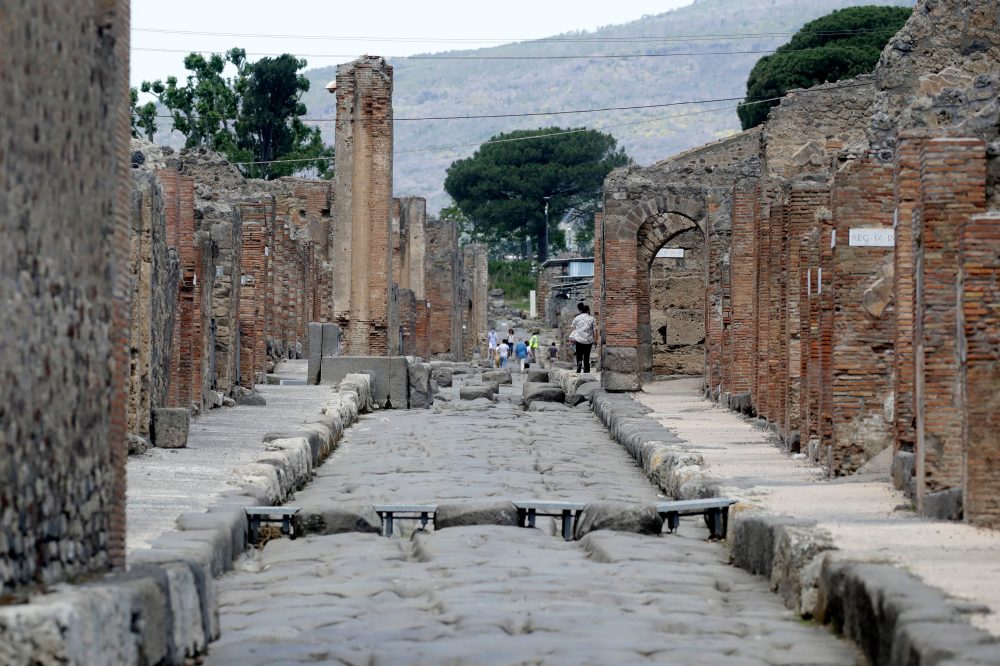
Mount Vesuvius claimed approximately 2,000 lives within Pompeii itself, while regional death tolls may have reached 16,000. The ancient city was buried beneath ash that later hardened due to pyroclastic flows.
Archaeological work has uncovered remains of more than 1,000 eruption victims throughout the site. These individuals were discovered trapped inside buildings or shelters, crushed by falling pumice and volcanic rocks, or killed when structures collapsed under roughly 10 feet of accumulated volcanic material.
The 22 featured casts represent the finest preserved specimens found throughout the city, from central districts to entrance gates and escape routes where residents attempted to flee to safety.
“They have a strong emotional impact on visitors and can be very moving,” noted Silvia Martina Bertesago, an archaeologist working at the Pompeii Archaeological Park.
“Through the analyses we can carry out today with increasingly advanced techniques, we can also understand their age and sex, but also whether they had particular diseases or particular types of diet,” she added.
The new exhibition occupies the Palestra Grande porticoes, situated across from the Amphitheatre. Beyond the human remains section, the display includes preserved plants and food items that remained buried for centuries under layers of ash and hardened lava.