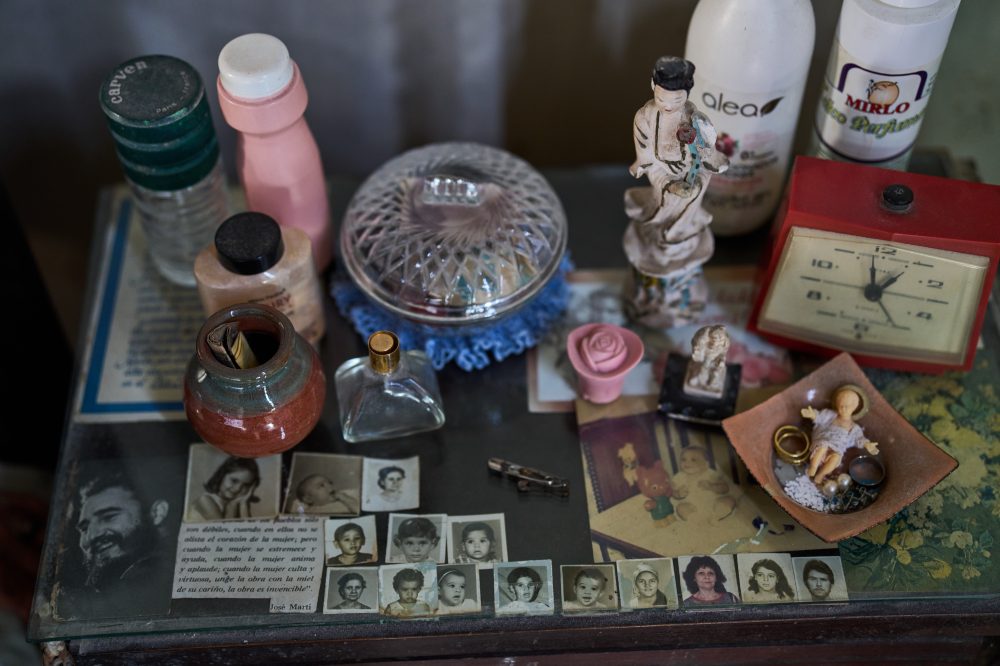

HAVANA (AP) — Cuba’s senior citizens find themselves shouldering a disproportionate share of hardship as the nation’s economic troubles intensify, particularly following an oil embargo enacted by former U.S. President Donald Trump that has accelerated difficulties since early this year.
The island nation already possessed one of Latin America’s most aged demographics even before recent setbacks, the result of extended lifespans combined with declining birth rates.
Statistics from Cuba’s National Bureau reveal that by 2024’s conclusion, approximately 26% of the population had reached 60 years or beyond, nearly double the 14.2% regional average documented by the Economic Commission for Latin America and the Caribbean.
Numerous seniors are former government employees surviving on inadequate retirement benefits, confronting reductions in historically subsidized necessities while experiencing growing isolation as Cuba’s youth continue departing the country. Migration has reduced the nation’s population by close to 1.5 million people over the last five years.
These elderly Cubans were in their youth when Fidel Castro marched into Havana. Today, during their golden years, they face another era of deprivation that challenges the limits of pension payments, government rations, and individual endurance. The effects appear throughout everyday existence: Senior citizens navigate streets in solitude, queue extensively for bread and rice, and rely more heavily on religious organizations and certain government facilities for basic nutrition.
The Church of the Holy Spirit in Old Havana exemplifies such support, welcoming approximately 50 elderly community members three times weekly for simple hot meals featuring ground meat, rice, red beans, and crackers with mayonnaise. For many attendees, these gatherings provide far more than sustenance, offering structure, comfort, and companionship during extended periods marked by shortages, power failures, and isolation.
Mercedes Lopez Rey, a retired engineer, regularly attended the church meals three times each week until her passing, as deteriorating circumstances made everyday survival increasingly challenging. Lopez also collected food portions for her friend Julia Barcelo, who battled breast cancer and couldn’t leave home.
Carmen Casado represents another frequent participant—an 84-year-old former chemical engineer who relies on these meals because her monthly pension of 2,000 Cuban pesos equals roughly $4 using the unofficial exchange rate many Cubans utilize. Without children or financial support from overseas relatives, she lives by herself in the upper levels of a crumbling 19th-century structure, typical of many Havana buildings showing signs of age and insufficient maintenance. Even facing poverty and isolation, she maintains confidence in her government while attributing the nation’s struggles to the United States.