
The Philippines has declared a national energy emergency and is collaborating with the United States to secure special permissions that would allow oil purchases from nations currently under American sanctions, according to the country’s ambassador to Washington.
Ambassador Jose Manuel Romualdez confirmed that Manila is in discussions with the State Department regarding these arrangements. “We are working with the State Department to get waivers or exemptions to purchase oil from U.S.-sanctioned countries,” Romualdez stated in a Reuters interview conducted through phone messages.
When questioned about potential oil imports from Venezuela and Iran, the ambassador responded that “all options are being considered.” Regarding the State Department’s reaction to these requests, Romualdez described the situation as “work in progress.”
The Southeast Asian nation announced its state of national energy emergency on Tuesday as a response to complications stemming from the ongoing Middle East conflict, which has created significant challenges in oil acquisition. The Philippines depends almost entirely on fuel imports to meet its energy needs.
Government officials reported that as of March 20, the country maintains approximately 45 days worth of fuel reserves. Authorities are currently working to acquire an additional one million barrels to strengthen their emergency stockpile.
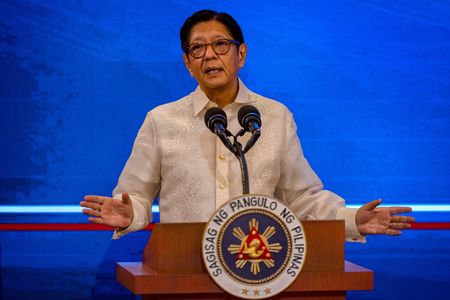
During a televised statement on Wednesday, Philippine President Ferdinand Marcos Jr. reassured citizens that fuel supplies would continue beyond the 45-day window. “We are exploring other sources not affected by the war,” Marcos explained. “Things are beginning to open up…we can be confident that after the 45 days we will have a flow of oil.”
The Philippines sources nearly all of its crude oil from Middle Eastern countries, with Saudi Arabia serving as its primary supplier. This heavy reliance makes the nation particularly susceptible to price fluctuations and supply chain interruptions in the region.
President Marcos characterized the emergency declaration as a “precautionary tool” designed to prepare the government “for whatever comes next.” The measure, which remains active for one year, grants authorities special powers including the ability to purchase fuel and petroleum products while making advance payments to ensure reliable and adequate supplies.
“We should not panic,” Marcos emphasized, while promising that his administration is taking comprehensive action to address the energy situation.
Despite government assurances, transportation workers, daily commuters, and consumer advocacy groups have organized a two-day protest beginning Thursday. The demonstration targets rising fuel costs and what organizers describe as inadequate government response from the Marcos administration.
In response to energy supply constraints, Manila has temporarily increased electricity generation from coal-fired plants and authorized limited use of Euro II fuel, which is less expensive but produces higher emissions, to maintain adequate supply levels.
Shipping data from Kpler indicates that at least two Russian ESPO crude oil shipments are en route to the Philippines this month. Additionally, a cargo of Abu Dhabi Murban crude is scheduled to reach the country’s Bataan terminal on April 8.
These Russian oil deliveries would mark the Philippines’ first imports of Russian crude in five years, made possible by a 30-day waiver granted by the United States.
The U.S. also issued a 30-day sanctions waiver on Friday for Iranian oil purchases already in transit. This waiver covers oil loaded onto vessels on or before March 20 and discharged by April 19, including tankers currently under sanctions.