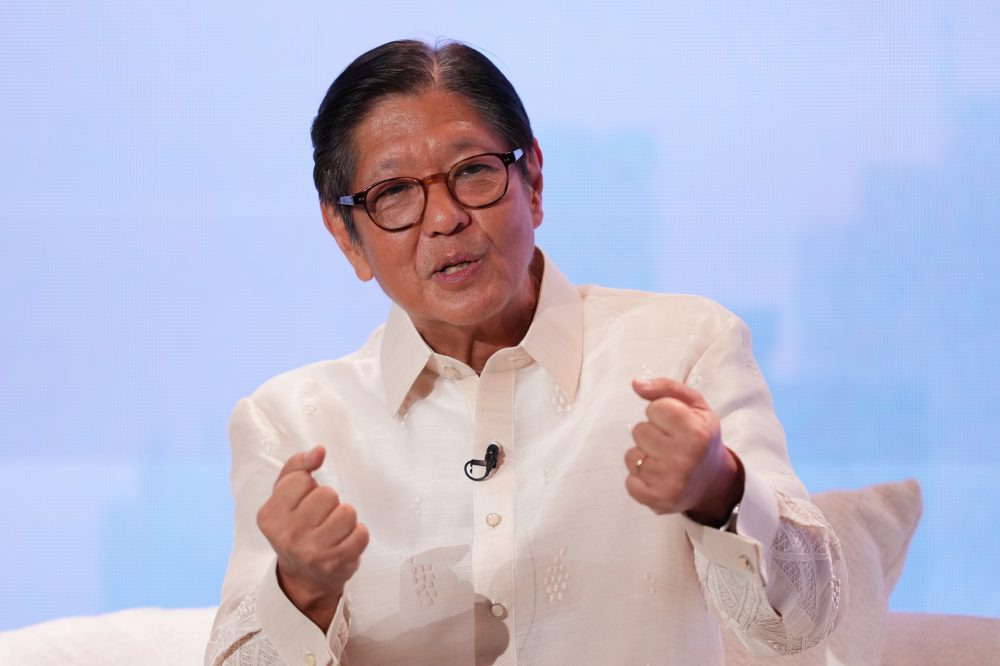

MANILA, Philippines — Ferdinand Marcos Jr., the Philippine President, announced a national energy emergency on Tuesday as his government responds to threats stemming from ongoing Middle East conflicts, citing concerns about “an imminent danger of a critically low energy supply.”
The emergency declaration, set to remain in effect for one year initially, establishes a contingency committee under Marcos’ leadership tasked with guaranteeing access to and proper distribution of fuel, food, medical supplies, farm products and essential commodities.
Government officials received orders to combat hoarding, price gouging and supply chain manipulation involving petroleum products. The Department of Migrant Workers was simultaneously directed to prepare for potential rescue operations and evacuations of Filipino citizens working throughout the Middle East.
The administration has begun distributing 5,000 pesos ($83) payments to numerous motorcycle taxi operators and public transportation workers across the country to offset rising gasoline and diesel costs. Selected cities are also offering complimentary bus transportation for students and employees.
Approximately 2.4 million Filipino citizens live and work throughout Middle Eastern countries, with roughly 31,000 residing in Israel and 800 in Iran. However, the majority have chosen to remain in the region and continue working, with only several hundred individuals accepting government assistance to return home since the regional hostilities commenced.
Philippine officials reported that Mary Ann de Vera, a Filipina caregiver, lost her life during an Iranian missile attack in Tel Aviv, Israel on February 28 while assisting her elderly client to reach a bomb shelter.