
WASHINGTON – A top Pentagon official raised serious concerns Tuesday about artificial intelligence agreements that could bring military operations to a standstill, warning that contract limitations threaten the military’s ability to conduct and plan combat missions.
Emil Michael, the under secretary of defense for research and engineering, expressed alarm after examining terms governing AI systems already integrated into highly classified military commands. Michael did not identify which AI company’s contracts prompted his concerns.
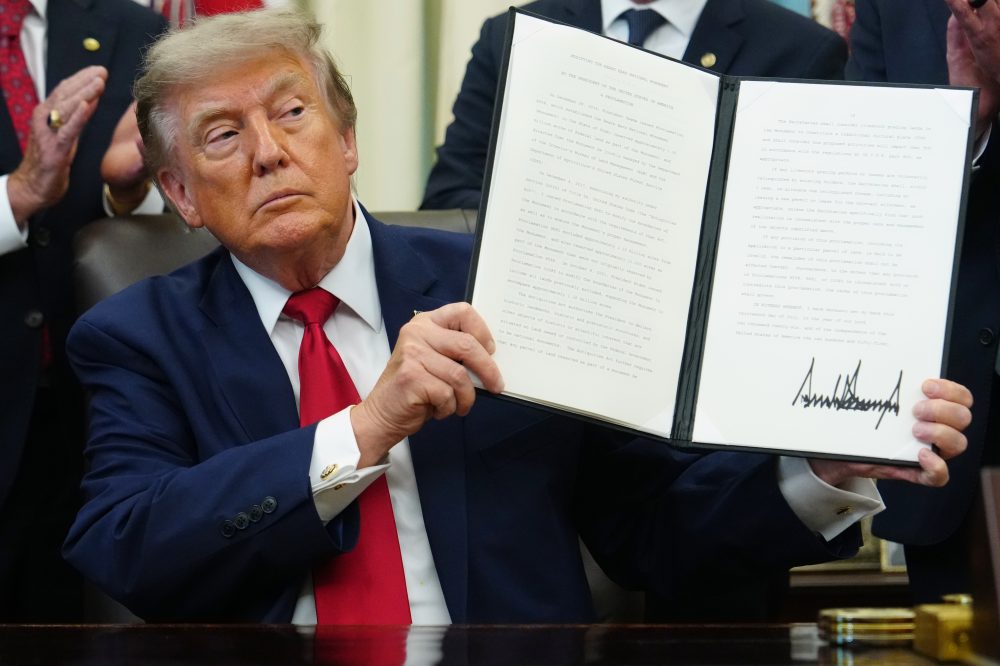
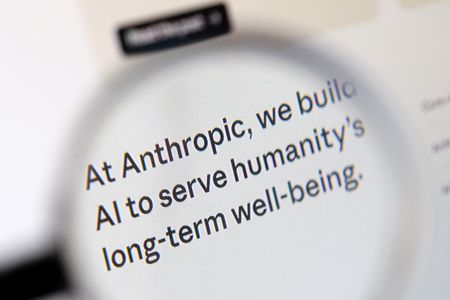
Speaking at Washington’s American Dynamism Summit, where technology firms focused on defense and space gathered, Michael’s remarks followed recent tensions over Pentagon use of Anthropic’s AI technology. The dispute led President Donald Trump to prohibit the company from federal contracts, designating it a national security threat.
“I had a ‘holy, holy cow’ moment,” Michael told summit attendees. “There were things … you couldn’t plan an operation … if it would potentially lead to kinetics” or explosions. He outlined numerous limitations embedded within agreements covering commands overseeing aerial operations across Iran, China and South America.
According to Michael, the agreements were designed so that violating service terms could cause the AI system to “just stop in the middle of an operation.” At the time of his assessment, Anthropic’s Claude represented the sole AI platform accessible to Defense Department classified networks.
Michael’s worries intensified when a high-ranking executive from an unidentified AI firm questioned whether their technology had been utilized in what Michael described as one of the military’s most effective recent operations. Reports indicate Anthropic’s Claude assisted in planning the U.S. raid that captured former Venezuelan President Nicolas Maduro in January.
“What we’re not going to do is let any one company dictate a new set of policies above and beyond what Congress has passed,” Michael stated.
These revelations may clarify the conflict between Anthropic and the Defense Department. Defense Secretary Pete Hegseth labeled the company a “supply-chain risk” due to its unwillingness to compromise on restrictions regarding autonomous weapons and mass surveillance capabilities.
Shortly afterward, competitor OpenAI secured its own Pentagon agreement. OpenAI CEO Sam Altman’s statement indicated the Defense Department had accepted similar restrictions for OpenAI’s technology.