
GENEVA — Representatives from Russia and Ukraine gathered in Switzerland on Tuesday for another attempt at American-facilitated peace negotiations, occurring just days before marking four years since Russia launched its full-scale military assault on Ukraine.
Ukrainian President Volodymyr Zelenskyy confirmed his nation’s diplomatic team had arrived in Switzerland, while Russian state media outlet Tass reported their delegation was also present. The scheduled two-day negotiations were set to begin later Tuesday.
According to a source with knowledge of the proceedings who requested anonymity due to the delicate nature of the discussions, challenging conversations regarding Russian-controlled Ukrainian territories are anticipated. President Donald Trump’s special envoy Steve Witkoff and son-in-law Jared Kushner will facilitate meetings with both delegations, though Russian representatives continue demanding Ukraine surrender its eastern Donbas territory.
Military commanders from all three nations will examine ceasefire oversight mechanisms and implementation requirements during the Geneva sessions, the informed source revealed. Earlier negotiations in Abu Dhabi focused on establishing demilitarized zones and maintaining military communication channels between the parties.
However, prospects for significant progress appear limited, as both sides remain firmly entrenched in their territorial positions despite America’s June deadline for reaching an agreement.
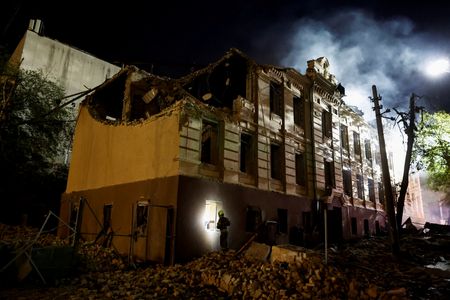
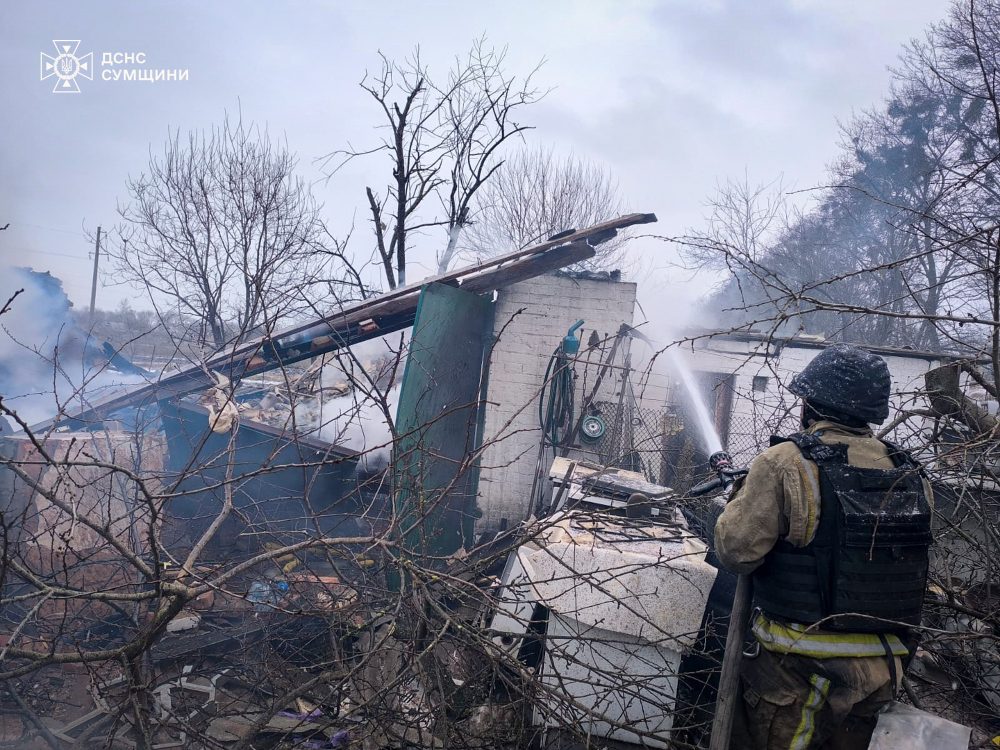
Ukraine’s undermanned military continues grinding warfare against Russia’s larger forces across approximately 750 miles of front lines. Ukrainian citizens face ongoing Russian air strikes that consistently disable electrical systems and demolish residential areas.
Central issues include the fate of nearly 20% of Ukrainian territory currently under Russian occupation or desired by Moscow, along with Kyiv’s insistence on post-conflict security assurances backed by American support to prevent future Russian aggression.
Trump characterized the Geneva gathering as “big talks.”
“Ukraine better come to the table fast,” he stated to reporters Monday evening while returning to Washington from Florida.
The meaning behind Trump’s remarks about Ukraine remained unclear, given the country has consistently participated in negotiations seeking to end Russia’s destructive campaign.
U.S. military representation includes Gen. Alexus Grynkewich, commander of American and NATO forces in Europe, and Army Secretary Dan Driscoll, who will engage with their Russian and Ukrainian counterparts, confirmed Col. Martin O’Donnell, Grynkewich’s spokesman.
Russia launched nearly 400 long-range drones and 29 various missiles overnight against 12 Ukrainian regions, wounding nine individuals including children, according to the Ukrainian president.
Zelenskyy reported tens of thousands of residents in the southern port city of Odesa lost heating and water service.
The Ukrainian leader demanded Moscow face consequences for the persistent attacks, arguing they undermine American peace efforts.
“The more this evil comes from Russia, the harder it will be for everyone to reach any agreements with them. Partners must understand this. First and foremost, this concerns the United States,” Zelenskyy posted on social media Monday evening.
“We agreed to all realistic proposals from the United States, starting with the proposal for an unconditional and long-term ceasefire,” Zelenskyy added.
Military leadership discussions will focus on potential ceasefire monitoring following any peace agreement, the source indicated.
Previous Abu Dhabi meetings addressed demilitarized zone establishment in contested areas and maintaining military communications between all parties.
Grynkewich arrived in Switzerland Monday from Germany for the negotiations.
The Geneva discussions occurred simultaneously with separate American-Iranian indirect talks in the same Swiss city.
Following the second Abu Dhabi round, delegation members described the talks as “pretty good,” suggesting peace could be achieved “if everyone just agrees to it,” according to the source.
After those earlier negotiations, the United States announced restored direct military communication with Russia, with Grynkewich hoping to establish high-level dialogue with Russian military chief Gen. Valery Gerasimov.