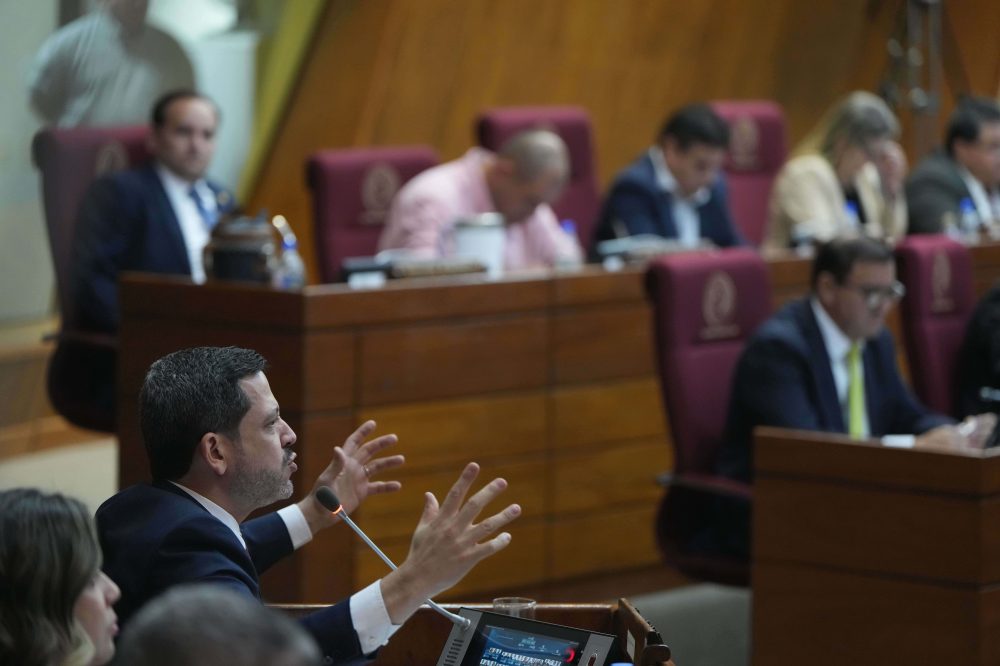

ASUNCIÓN, Paraguay — The Paraguayan Chamber of Deputies gave final legislative approval Tuesday to a military cooperation pact that will permit temporary deployment of American forces and civilian personnel on Paraguayan soil, marking a significant win for the Trump administration’s efforts to bolster U.S. influence throughout Latin America.
The Status of Forces Agreement received overwhelming support from legislators, passing with 53 votes in favor, 8 opposed, and 4 abstentions among the 80-member chamber. Fifteen lawmakers were absent during the vote. The measure now heads to President Santiago Peña, a strong Trump ally in the region, who is anticipated to sign the legislation into law within days.
Originally signed by both nations in Washington this past December, the pact creates a legal structure for American security personnel to operate in Paraguay for training missions, joint military exercises, and humanitarian operations. The agreement also grants the United States criminal jurisdiction over its personnel stationed in the country.
Both the U.S. State Department and Paraguayan Foreign Minister Rubén Ramírez Lezcano have characterized the treaty as “historic.” The Paraguayan Senate had already given its approval last week, though that chamber saw more heated debate over potential sovereignty concerns.
Opposition lawmakers raised objections to a controversial clause providing foreign military personnel with immunity from prosecution similar to diplomatic staff protections.
“We believe in international cooperation, but we also believe in strong states, respected institutions and real democratic sovereignty,” stated independent congressman Raúl Benítez.
Paraguay’s foreign minister has defended the agreement, stating in December that its primary goal is enhancing U.S.-Paraguay collaboration in combating transnational organized crime and “terrorism.” He emphasized that “there is no possibility of the installation of U.S. military bases” in Paraguay.
U.S. Secretary of State Marco Rubio has also endorsed the SOFA arrangement, describing it as a “historic agreement” that will enhance bilateral and multinational training, humanitarian aid, disaster relief, and other mutual security objectives.
The SOFA approval aligns with Washington’s strategy to expand American influence across Latin America under the Trump administration’s national security framework, even as segments of Paraguayan civil society continue voicing opposition.
“The security of a country is not built by importing troops or shielding foreign agents with diplomatic immunities,” declared Peace and Justice Service, a civil organization with operations throughout Latin America, in a statement issued before the final vote. The organization added that the treaty “does not represent progress in security, but rather the formalization of a geopolitics of impunity that undermines the pillars of our national dignity.”