
ISLAMABAD (AP) — Pakistani leaders held discussions Friday with Iran’s foreign minister about ceasefire arrangements in the ongoing conflict involving the United States and Israel, as Islamabad continues pushing to arrange another round of peace negotiations between Tehran and Washington.
Islamabad has been working to bring American and Iranian representatives back to the negotiating table, though anticipated discussions earlier this week failed to occur. President Donald Trump agreed to extend the ceasefire indefinitely at Pakistan’s urging this week, giving diplomats additional time to pursue talks.
Despite the ceasefire extension, the situation in the Strait of Hormuz remains volatile. This crucial shipping route handles one-fifth of global oil and natural gas transportation during normal conditions. Iranian forces continue blocking vessel traffic and launched attacks on three ships this week, while American forces maintain their blockade of Iranian harbors and have authorized military personnel to “shoot and kill” small watercraft suspected of laying mines.
The U.S. military presence in the area has expanded significantly with the arrival of the USS George H.W. Bush in the Indian Ocean this week, joining the USS Abraham Lincoln in the Arabian Sea and the USS Gerald R. Ford in the Red Sea.
This marks the first instance since 2003 that three American aircraft carriers have operated simultaneously in the region. According to U.S. Central Command, the combined naval force includes 200 aircraft and 15,000 sailors and Marines.
The conflict has caused dramatic increases in global oil costs, with Brent crude reaching over $107 per barrel in Friday’s spot trading — nearly 50% higher than February 28 levels when the U.S. and Israel initiated military action against Iran.
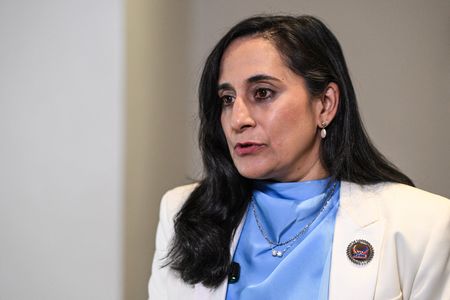
During Friday’s diplomatic conversation, Iranian Foreign Minister Abbas Araghchi spoke with Pakistani Foreign Minister Ishaq Dar and Pakistan’s army chief Field Marshal Asim Munir about “regional developments and issues related to the ceasefire,” according to Araghchi’s statement, though specific details were not disclosed.
Pakistan’s Foreign Ministry later confirmed that “both sides exchanged views on regional developments, the ceasefire, and ongoing diplomatic efforts being pursued by Islamabad in the context of U.S.-Iran engagement.”
The ministry added that Dar “underscored the importance of sustained dialogue and engagement to address outstanding issues, in order to advance regional peace and stability at the earliest.”
Casualty figures from the conflict show at least 3,375 deaths in Iran and more than 2,290 in Lebanon, according to official sources. Israel has reported 23 fatalities, while Gulf Arab nations have lost more than a dozen people. Military losses include 15 Israeli soldiers in Lebanon and 13 U.S. service members across the region.