
KABUL – Overnight airstrikes by Pakistani forces targeted an ammunition storage facility on the western edge of Kabul, sparking hours of chain-reaction explosions that shook buildings throughout Afghanistan’s capital and left civilians worried about escalating violence.
The bombing represents a dangerous deterioration in relations between Pakistan and Afghanistan’s Taliban leadership, with the former allies now engaging in cross-border military actions and Pakistan characterizing the situation as active warfare.
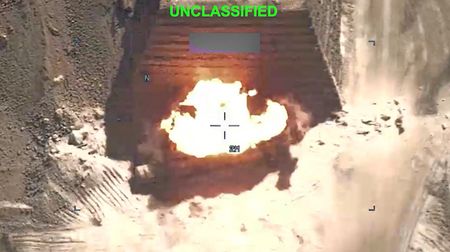
Footage confirmed by Reuters captured massive clouds of dark smoke billowing over Darulaman, a residential district in western Kabul that also contains various government and military installations, as flames consumed portions of the weapons facility and repeated bursts illuminated the darkness when stored ordnance detonated.
Local residents reported the attack commenced just after midnight.
“We were asleep when we heard the sound of a plane,” said Tamim, a taxi driver who lives near the depot. “It came and dropped two bombs, then flew away again. After that, we heard explosions.”
According to Tamim, the opening blasts triggered ongoing detonations as stockpiled weapons ignited.
“The ammunition inside the depot kept exploding on its own,” he said. “Everyone, in panic, ran down from the second floor of the house.”
Tamim reported the inferno continued burning until approximately 6 a.m. before being contained. While his family avoided injuries, the blast force damaged doors and windows and shattered glass throughout his home.
“The blaze was very intense. We were extremely scared and even planned to leave the area,” he said.
Danish, a 35-year-old pharmacist residing roughly 10 minutes from the storage site, explained he had remained awake monitoring reports of increasing tensions.
“I couldn’t sleep again until morning.”
Reuters reporters in other parts of Kabul documented hearing powerful explosions and aircraft sounds, followed by emergency vehicle sirens piercing the nighttime quiet.
Mohammad Ali, 31, who operates a mobile electronics business, was staying at a guesthouse when an explosion around 2 a.m. startled them awake.
“At first we thought it was an earthquake,” he said, but quickly recognized it was gunfire.
“We are just ordinary people,” he added, explaining they worry more about earning income and poverty than military conflicts.
Both nations claim to have eliminated dozens of opposing fighters in battles following months of intensifying militant attacks that each country blames the other for supporting, along with border skirmishes.
Afghanistan continues struggling with widespread poverty, joblessness and growing food insecurity since international aid collapsed after the Taliban regained control in 2021, ending a 20-year insurgency against the American-supported government.
For many Kabul residents, the strike brought back painful memories of previous wars.
Yalda, 35, traveled to Darulaman Thursday to check on her sister after learning about the explosion. “If they attack here today, tomorrow they might target our area as well,” she said.
“Misery has started again.”