
ISLAMABAD — Diplomatic efforts to end more than a month of intense fighting between Pakistan and Afghanistan have resumed, with both nations sending delegations to China for mediation talks, according to two Pakistani officials who spoke Wednesday.
The negotiations are taking place in Urumqi, located in northern China, the officials confirmed to The Associated Press on condition of anonymity since they lacked authorization to speak with media.
Chinese authorities have not issued any statements regarding the talks. Pakistan’s Foreign Affairs Ministry has neither confirmed nor denied these latest diplomatic developments.
An Afghan source revealed that Afghanistan’s five-person delegation traveling to Urumqi includes two representatives from their foreign ministry, along with single officials from defense, interior, and intelligence agencies. This official also requested anonymity due to lack of authorization to share details publicly.
Pakistani sources described the Urumqi negotiations as potentially bringing relief to millions across both Pakistan and Afghanistan, noting the discussions could continue for several days and represent just the initial phase of a broader peace initiative.
These renewed diplomatic efforts follow both nations’ acceptance of China’s mediation proposal, with talks scheduled to continue Thursday aimed at ending hostilities. Beijing has been pushing for renewed dialogue since late February, with Chinese special envoy Yue Xiaoyong meeting Pakistani counterpart Mohammad Sadiq last month following a visit to Kabul.
The core dispute centers on Pakistan’s allegations that Afghanistan provides sanctuary for militants conducting attacks on Pakistani soil, particularly the Pakistani Taliban. This group operates separately from but maintains ties with Afghanistan’s Taliban, which assumed control of Afghanistan in 2021 after U.S.-led forces withdrew. Afghan officials reject these accusations.
Asif Durrani, Pakistan’s former special envoy for Afghanistan, expressed optimism about the potential talks if officially verified.
“If both sides reach an agreement as a result of reported talks, the critical issue will be a verification mechanism to ensure Afghan territory is not used for attacks against Pakistan,” Durrani said.
The conflict that began in late February represents the most serious fighting between these neighboring countries in decades. Pakistan declared itself in “open war” with Afghanistan shortly after hostilities commenced. The violence has included repeated border skirmishes and airstrikes within Afghanistan, including several targeting the capital Kabul.
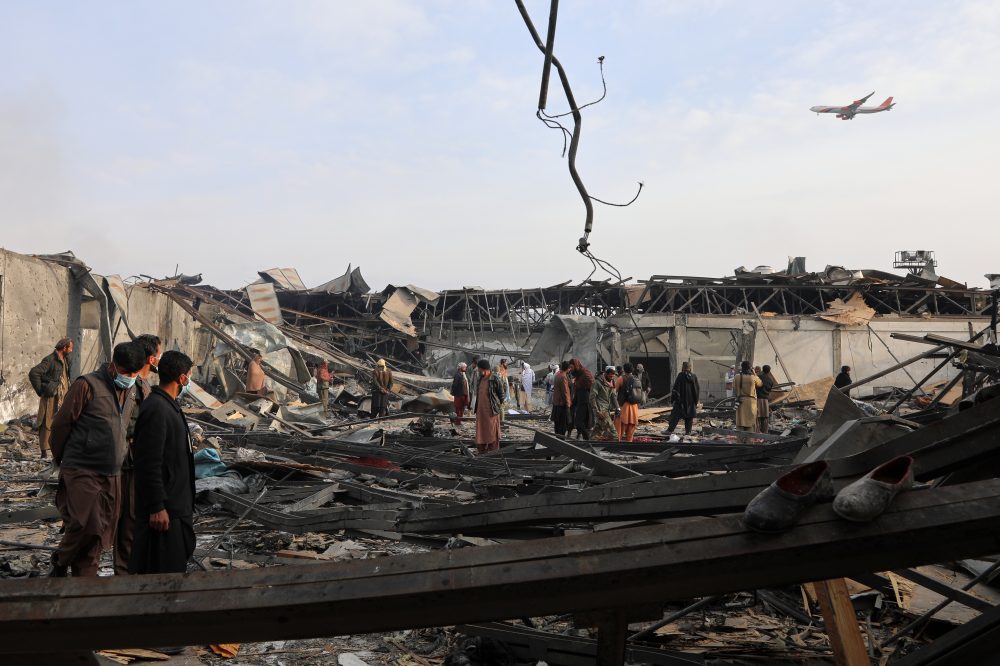
Afghanistan reported last month that a Pakistani airstrike struck a drug rehabilitation facility in Kabul, resulting in over 400 deaths. This casualty count remains unverified independently. Pakistan has challenged this claim and denied civilian targeting, maintaining they hit a weapons storage facility.
Pakistani Information Minister Attaullah Tarar explained to the AP during that period that Pakistan had “only targeted terrorist infrastructure” in Kabul, not medical facilities, stating: “We have just gone after the Afghan Taliban regime, their military setups, their terrorist infrastructure, and all the setups which are supporting or promoting terrorists.”
While both sides implemented a temporary ceasefire during the Muslim celebration of Eid al-Fitr, fighting later resumed at reduced intensity compared to the heavy combat witnessed in February and March, when Pakistan’s air force repeatedly struck what it identified as Pakistani Taliban positions and Afghan military installations. Afghanistan maintains these airstrikes hit civilian neighborhoods.
These nations share a history of strained relations, but the recent violence has concerned the international community, especially given the continued presence of militant organizations like al-Qaida and the Islamic State group seeking to rebuild in the region.
The current fighting also destroyed a Qatar-brokered ceasefire established in October, which had stopped earlier clashes that killed dozens of civilians, security forces, and militants. Both sides provide conflicting casualty numbers. Recent negotiations in Saudi Arabia failed to reach conclusions.
Earlier peace discussions held in Istanbul during November did not achieve a permanent settlement.
Officials have not disclosed who is representing Pakistan and Afghanistan in these latest Chinese-hosted negotiations.