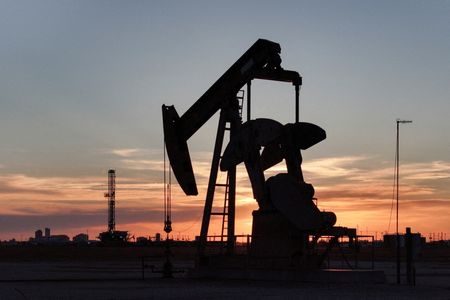

Crude oil prices experienced a significant rebound Wednesday morning, with West Texas Intermediate climbing $2.90 per barrel to reach $86.33 during early trading sessions.
The 3.5% increase comes as Middle Eastern conflicts continue to disrupt oil supply routes from the Gulf region, where the United States and Israel have intensified military operations against Iran.
Wednesday’s price recovery follows a dramatic market downturn on Tuesday, when both major oil contracts dropped more than 11% – marking the sharpest decline since 2022. The previous day’s plunge occurred after President Donald Trump expressed optimism about a swift resolution to the regional conflict.
Military operations intensified Tuesday as U.S. and Israeli forces conducted what Pentagon officials and Iranian sources described as the war’s most devastating aerial bombardment campaign to date.
The U.S. Central Command reported destroying 16 Iranian vessels designed for laying naval mines in waters near the Strait of Hormuz on Tuesday. President Trump has demanded Iran immediately clear any mines from the strategic shipping lane.
While Trump has stated America’s readiness to provide military protection for oil tankers navigating the Strait of Hormuz, industry sources reveal the U.S. Navy has declined shipping companies’ requests for armed escorts, citing excessive security risks under current conditions.
Market analyst Tony Sycamore from IG in Sydney anticipates continued price instability ahead. “We continue to expect crude oil to remain highly volatile, driven by headlines while trading within a wide range between $75ish and $105ish in the sessions ahead,” Sycamore stated.
Oil markets reached session peaks above $119 per barrel on Monday – the highest levels recorded since June 2022. The dramatic price movement prompted G7 officials to convene emergency discussions about potentially releasing strategic petroleum reserves to stabilize markets.
French President Emmanuel Macron has scheduled a virtual meeting with fellow G7 leaders for Wednesday to address how the Middle Eastern crisis affects global energy markets and explore potential response measures.
Research firm Wood Mackenzie estimates the Iranian conflict has eliminated roughly 15 million barrels per day from Gulf oil and petroleum product supplies, with projections suggesting crude prices could reach $150 per barrel if disruptions continue.
Domestic inventory data released by the American Petroleum Institute on Tuesday showed declining U.S. stockpiles of crude oil, gasoline, and distillate products last week, indicating increased demand pressures on the market.