
Global oil prices have retreated from unprecedented peaks as refineries worldwide adjust to supply disruptions by reducing production and utilizing stockpiled reserves, according to industry experts and traders.
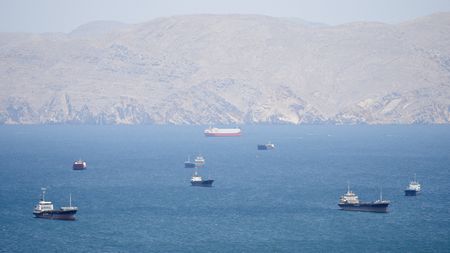
The conflict between the U.S.-Israel coalition and Iran, which started February 28, has resulted in the virtual shutdown of the Strait of Hormuz shipping lane. Citi analysts report this has eliminated access to 500 million barrels of crude oil and processed petroleum products from global markets, initially triggering panic purchases and price spikes.
Oil companies worldwide scrambled to find alternative supplies, driving up costs for crude from Africa, the United States, and Brazil to unprecedented levels exceeding $30 per barrel above benchmark prices earlier this month.
Now, those premiums are declining as refineries choose to decrease production while focusing on previously restricted oil sources. Major Chinese energy companies Sinopec and PetroChina are accessing commercial stockpiles and offering crude on the open market.
“Asian demand is starting to ease as refiners cut runs, shifting the market away from panic buying and toward more selective procurement, with Russian barrels dominating incremental demand,” Kpler analysts said in a note.
“This is feeding through into the Atlantic Basin, where weaker Asian pull and rising supply are putting pressure on medium sour and light sweet differentials.”
Although strategic reserve releases and inventory reductions provide some relief, they cannot compensate for the 15-million-barrel daily shortfall from Middle Eastern crude sources. Extended disruption from the Hormuz closure will maintain upward pressure on pricing.
June Goh, a senior analyst at Sparta Commodities, said the correction brings prices back to “affordable” levels.
“The physical crude shortage in the market is still there, so premiums would remain elevated versus pre-crisis level. However, it should not reach the panicked record levels that we saw previously,” she said.
Sources familiar with the situation indicate Sinopec will obtain approximately 1 million barrels daily from reserves between April and June, enabling its trading division Unipec to market some West African, Brazilian and Canadian shipments this month.
CNOOC and PetroChina have also marketed Canadian crude shipped through the Trans Mountain pipeline system during this period.
Canada’s Access Western Blend transported via Trans Mountain commanded a record $8 per barrel premium to ICE Brent for July Asian deliveries earlier this month, but that margin decreased to roughly $4 last week, trading sources reported.
European and West African crude premiums have similarly weakened, with North Sea Ekofisk offered at under $10 per barrel above dated Brent Tuesday, representing a 50% decline from two weeks prior. African varieties including Forcados, Bonny Light and Qua Iboe dropped to $7.75 per barrel premiums from over $10 in mid-April.
Brazilian crude premiums have also fallen after reaching beyond $30 per barrel earlier this month, market traders confirmed.
Taiwan’s Formosa Petrochemical purchased 2 million barrels of Brazilian crude at $8-$9 per barrel premiums to dated Brent on a delivered basis, while Indian refineries acquired Brazilian crude at nearly $5 premiums to dated Brent.
Middle Eastern crude premiums that reached records in March have declined significantly this month and may lead Saudi Aramco to reduce contract prices for June.
U.S. WTI Midland crude premiums for Asian delivery have moderated from record levels near $40 per barrel above Dubai pricing, with recent Japanese transactions at $20-$22 for August delivery, matching levels from a month ago.
In European markets, WTI traded at $7.40 above dated Brent Tuesday, compared to over $22 per barrel two weeks earlier.
Price premiums are also declining as consumers reduce consumption across various petroleum products including petrochemical naphtha, cooking gas, trucking diesel, and marine fuel oil.
Morgan Stanley projects demand reduction could reach 4.3 million barrels daily in the second quarter, potentially causing an 800,000 barrel daily decrease in total 2026 oil consumption, marking the first demand decline since the COVID-19 pandemic.