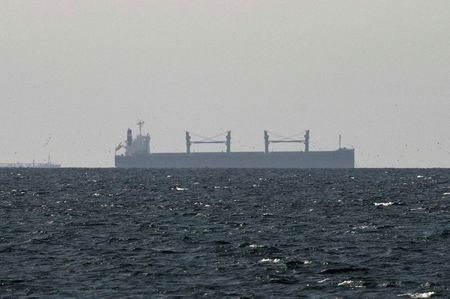

Crude oil markets retreated Thursday despite ongoing tensions between the United States and Iran that have disrupted a vital shipping corridor for global energy supplies.
Brent crude dropped 15 cents to $101.76 per barrel, while West Texas Intermediate declined 14 cents to $92.82. The decrease followed Wednesday’s significant rally that pushed Brent above $100 for the first time in over two weeks.
Both oil benchmarks had surged more than $3 Wednesday after U.S. inventory data showed unexpectedly large decreases in gasoline and distillate stockpiles, combined with continued diplomatic deadlock between Washington and Tehran.
President Trump extended a temporary ceasefire following intervention by Pakistani mediators, though both countries continue limiting vessel traffic through the Strait of Hormuz. This narrow waterway previously handled approximately 20% of worldwide oil and liquefied natural gas shipments before hostilities erupted in late February with American and Israeli strikes against Iran.
Iranian forces captured two vessels in the Strait Wednesday, further tightening control over the strategic passage. The U.S. Navy maintains a maritime blockade of Iranian commerce, while Iranian parliament speaker and chief negotiator Mohammad Baqer Qalibaf stated that comprehensive peace talks require lifting the naval restrictions.
American military forces have stopped at least three Iranian oil tankers in Asian waters, redirecting them from positions near India, Malaysia and Sri Lanka, according to shipping and security sources Wednesday.
Trump’s Tuesday ceasefire extension marked another instance of stepping back from threats to target Iranian infrastructure including power facilities and bridges. White House press secretary Karoline Leavitt confirmed no timeline has been established for the extended truce.
Meanwhile, American petroleum exports reached unprecedented levels, climbing 137,000 barrels daily to a record 12.88 million barrels per day as Asian and European nations secured alternative supplies amid Iran-related disruptions.
The Energy Information Administration reported Wednesday that U.S. crude inventories increased while refined product stockpiles decreased. Crude supplies grew by 1.9 million barrels, exceeding analyst predictions of a 1.2 million barrel decline.
Gasoline inventories fell 4.6 million barrels compared to forecasted drops of 1.5 million barrels. Distillate stocks decreased 3.4 million barrels versus expected declines of 2.5 million barrels.