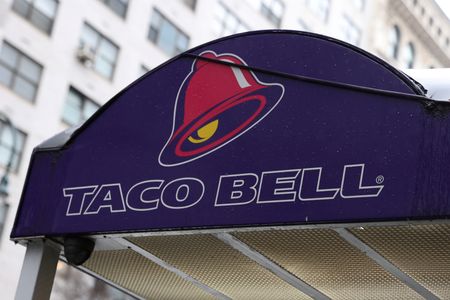

A franchisee operating Taco Bell and Dunkin’ restaurants in New York City has reached a settlement exceeding $1.5 million to resolve allegations of breaking local worker scheduling regulations, according to an announcement Monday from Mayor Zohran Mamdani’s administration.
The new mayor, who began his term in January, made enhanced enforcement of worker protection regulations a cornerstone of his campaign platform.
City officials from the Department of Consumer and Worker Protection accused Salz Management LLC of consistently breaking multiple workplace rules. The violations included failing to provide adequate advance scheduling notice to employees, not compensating workers for demanding “clopening” shifts where staff must close one evening and return to open the following morning, and neglecting to offer available hours to current employees before bringing on new hires.
City officials simultaneously announced legal action against QSR Management LLC and its corporate managing officer Ronny Nader, another Dunkin’ operator. The lawsuit alleges this franchisee broke New York City’s scheduling regulations affecting approximately 1,000 employees across 21 Staten Island Dunkin’ locations. This same operator previously faced city action in 2022, resulting in required compensation for over 100 workers.
Both franchisee companies did not provide responses to requests for comment before publication.
Last December, New York City secured a $38.9 million settlement from Starbucks over similar scheduling law violations. Officials under then-mayor Eric Adams called it the city’s largest worker protection settlement on record.
When the Starbucks agreement was revealed, Mamdani endorsed the settlement during a news conference held with Senator Bernie Sanders at a striking Starbucks workers’ demonstration.
Yum Brands and Inspire Brands, the corporate parents of Taco Bell and Dunkin’ respectively, also failed to respond to comment requests.
New York City pioneered restrictions on “on-call scheduling” practices in the United States, where retail, fast food, and service industry employers would summon workers or cancel their shifts without adequate warning. Oregon implemented comparable legislation, as did Los Angeles, Chicago, San Francisco, and multiple other American cities.
According to publicly available data, the city launched 57 investigations into potential scheduling law violations by fast food employers during 2025.
Industry associations have opposed these regulations, arguing they create operational difficulties and may force businesses to eliminate positions.