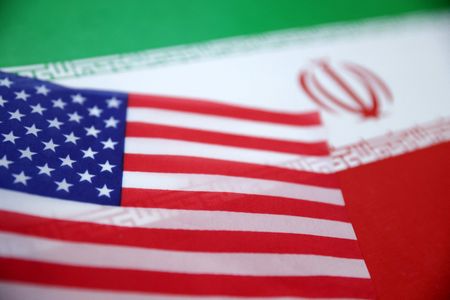

GENEVA – American and Iranian diplomats will sit down for another round of nuclear negotiations Thursday in Geneva, as tensions escalate over Tehran’s atomic program and the possibility of military action looms large.
The diplomatic session represents the latest attempt to resolve a dispute that has persisted for decades, with Washington and its allies suspecting Iran of pursuing nuclear weapons capabilities through its uranium enrichment activities. Iranian leadership continues to reject these allegations.
Representing the United States will be Special Envoy Steve Witkoff alongside Jared Kushner, who serves as President Trump’s son-in-law, according to a U.S. official speaking to Reuters. They will engage in indirect discussions with Iran’s Foreign Minister Abbas Araqchi, with Oman’s Foreign Minister Badr Albusaidi serving as mediator, similar to last week’s Geneva meetings.
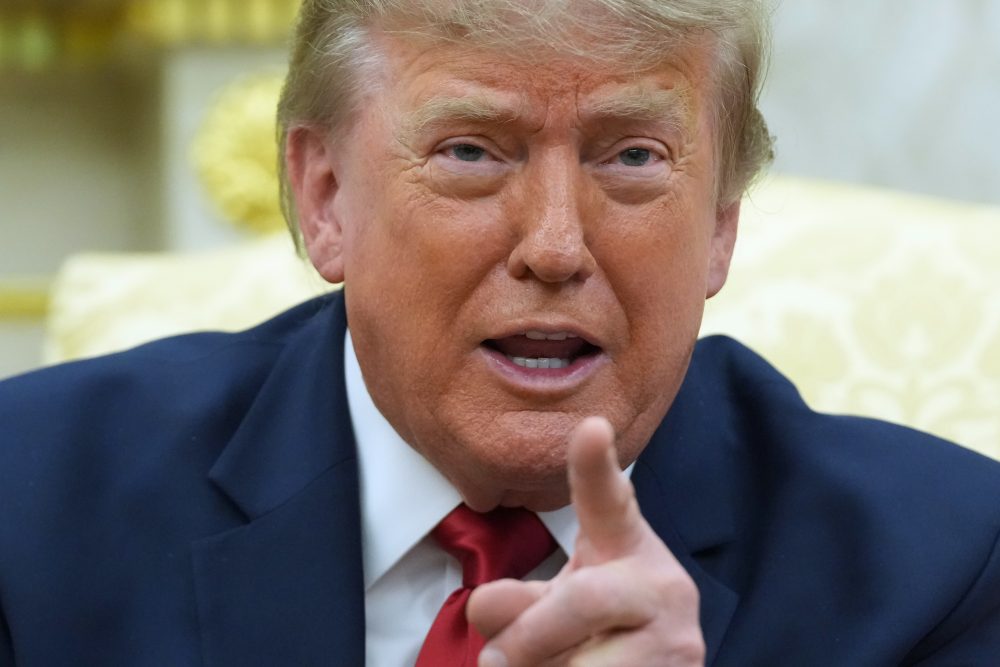
During his State of the Union address Tuesday, President Trump outlined his position on potential military action against Iran, expressing his preference for a diplomatic solution while firmly stating he would prevent Tehran from acquiring nuclear weapons.
Vice President JD Vance reinforced this stance Wednesday during a Fox News interview, declaring: “Iran can’t have a nuclear weapon. That would be the ultimate military objective, if that’s the route that (Trump) chose.”
The diplomatic efforts unfold against a backdrop of significant American military deployment throughout the Middle East, raising concerns about broader regional warfare. Last June, U.S. forces joined Israeli operations targeting Iranian nuclear facilities, prompting Tehran to promise severe retaliation for any future attacks.
Trump delivered an ultimatum on February 19, demanding Iran reach an agreement within 10-15 days or face what he described as “really bad things.”
Iranian Foreign Minister Araqchi responded Tuesday by expressing his nation’s commitment to securing a balanced and prompt agreement while maintaining Iran’s rights to peaceful nuclear technology. American officials view uranium enrichment within Iranian borders as a potential route to weapons development.
“A deal is within reach, but only if diplomacy is given priority,” Araqchi posted on social media platform X.
Recent reporting by Reuters indicates Tehran has proposed new compromises in exchange for sanctions relief and acknowledgment of its uranium enrichment rights, seeking to prevent American military strikes.
Despite these overtures, significant disagreements persist between both nations, particularly regarding the extent and timing of sanctions relief, according to a senior Iranian official who spoke with Reuters.
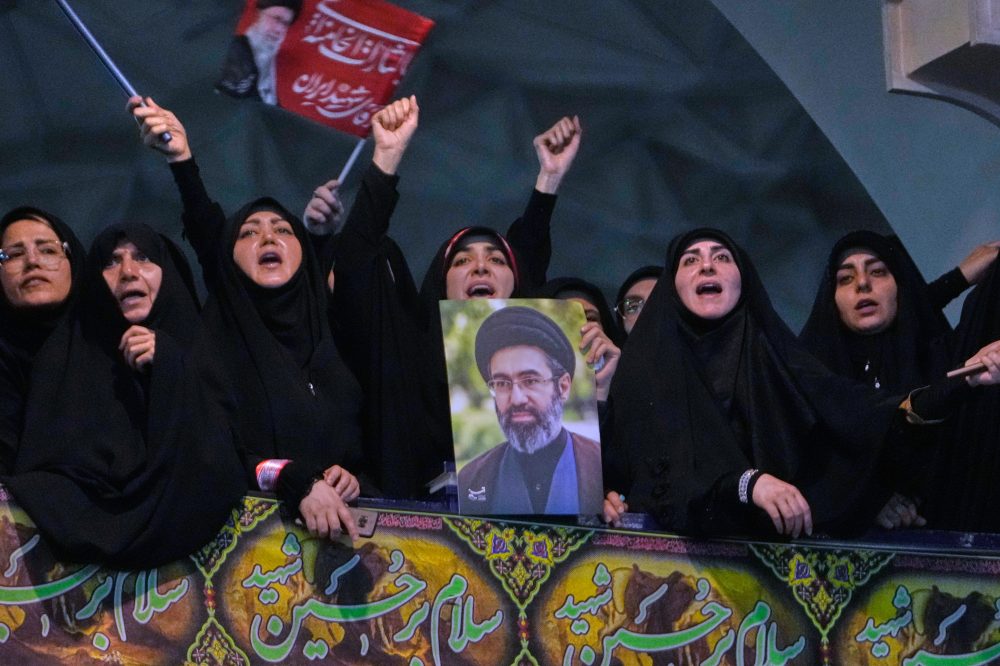
Iran’s Supreme Leader Ayatollah Ali Khamenei confronts perhaps the most serious challenge of his 36-year leadership, with the country’s economy buckling under intensified sanctions and facing renewed domestic protests after violent suppression of major demonstrations in January.
Rafael Grossi, who leads the International Atomic Energy Agency, is anticipated to participate in the Geneva discussions with representatives from both countries, mirroring his involvement in previous talks.