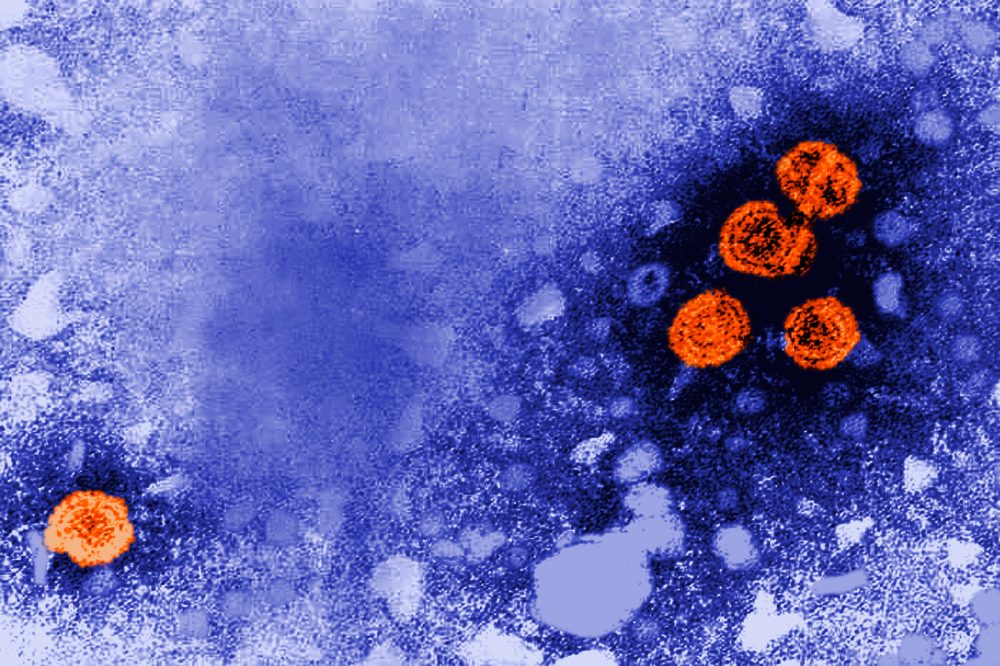

A groundbreaking new medication for hepatitis B is allowing certain patients to discontinue therapy while maintaining undetectable virus levels, achieving what medical experts term a ‘functional cure,’ according to research findings released Thursday.
Two international clinical trials revealed that approximately 20% of participants who received the experimental treatment experienced virus reduction to levels where their immune systems could maintain control.
‘We have not had a treatment which has come to this level of cure,’ Dr. Seng Gee Lim of the National University Health System of Singapore, who helped lead the GSK-funded studies, told reporters before presenting the findings at a scientific meeting in Barcelona, Spain.
The research results were simultaneously published Thursday in the New England Journal of Medicine.
The chronic form of hepatitis B leads to liver cancer or liver failure and is responsible for approximately 1.1 million deaths globally each year. Medical professionals have spent decades searching for improvements to current lifelong treatments, which can be difficult for patients to maintain or obtain in certain regions.
These new results ‘represent a major step,’ Dr. Anna Lok, a hepatitis expert at the University of Michigan who wasn’t involved in the research, wrote in the journal. However, she emphasized that additional research is necessary to determine the duration of this remission-like condition.
The medication is bepirovirsen, also called ‘bepi’ and created by GSK and Ionis Pharmaceuticals. The U.S. Food and Drug Administration is conducting a fast-track review, with approval expected in October. Regulatory agencies in Japan, China and Europe are also evaluating the treatment.
Hepatitis B spreads through blood or bodily fluid contact, including during childbirth, and affects the liver. While a highly effective vaccine exists for prevention, infected individuals often experience an ‘acute’ illness lasting several months. For others — approximately 1.7 million Americans and over 250 million people globally — the condition becomes chronic and slowly harms the liver.
Current treatments, including daily medications, lower virus levels and prevent liver damage. However, a complete cure remains difficult because hepatitis B can hide within the body and return when treatment ends.
The new medication targets hepatitis B by attaching to its genetic material, reducing viral reproduction and a crucial protein called the ‘S’ or surface protein, while boosting immune system response, explained GSK vice president Melanie Paff.
The clinical trials involved 1,838 participants who received either weekly bepi injections or placebo shots for six months, alongside their standard medications. Patients whose virus became undetectable for six months after stopping injections could also discontinue their regular pills. Approximately 20% of bepi recipients maintained undetectable virus levels for an additional six months after ending all treatment — achieving that ‘functional cure’ — while no placebo recipients accomplished this outcome, researchers found.
Participants who began the study with lower S protein levels showed slightly better chances of achieving functional cure, Lim noted. He continues researching why only certain individuals respond to treatment.
Regarding the duration of functional cure, GSK has monitored a small group of patients from earlier studies and found most continue doing well up to three years later, Paff reported.
Lim described side effects as mild injection site redness or pain and temporary increases in enzymes that may signal liver stress.
Lok, the Michigan hepatitis specialist, pointed out the trials excluded patients with cirrhosis, elevated S protein levels or other complicating conditions.