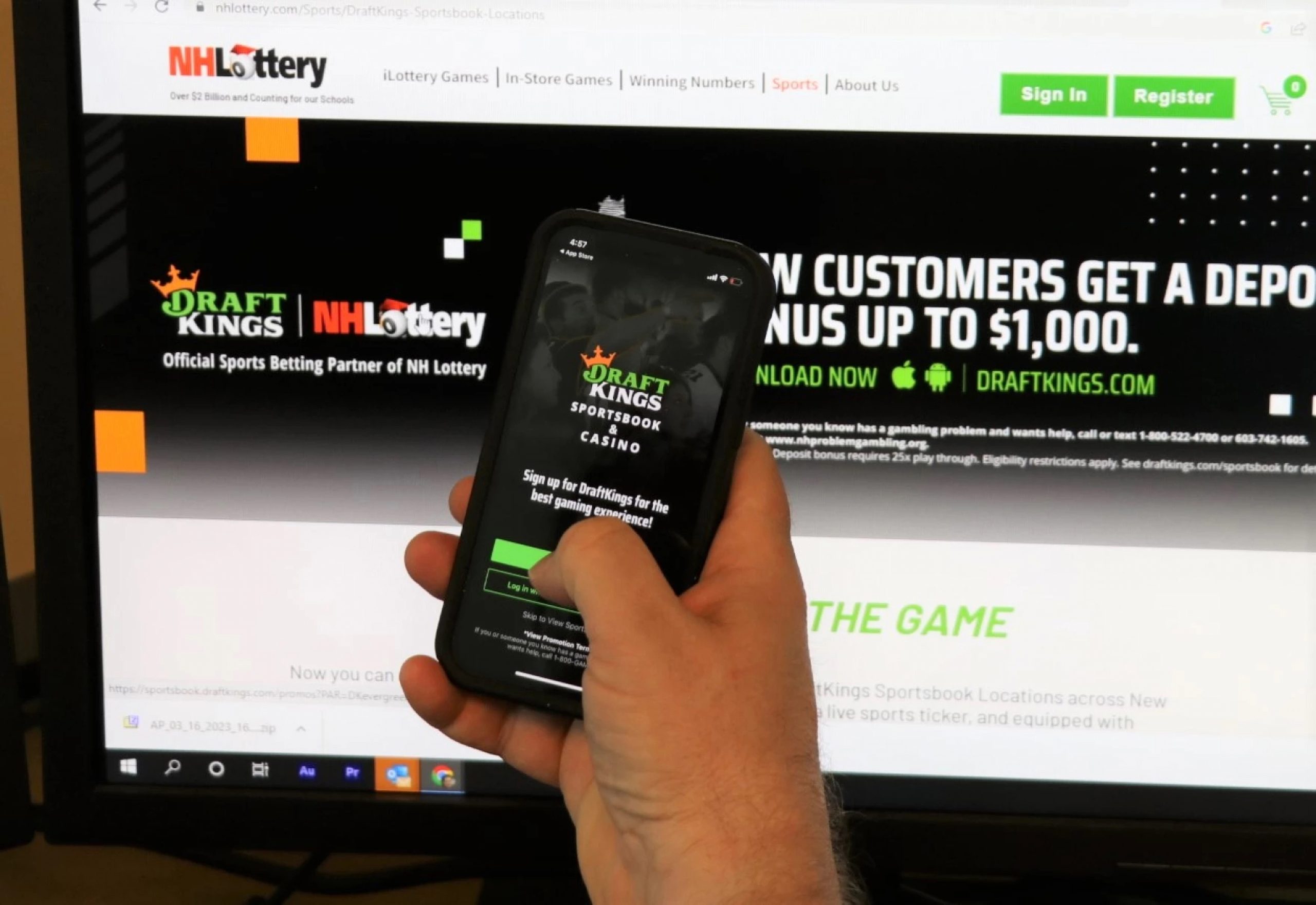

States that have legalized sports gambling are growing concerned about new competition that could reduce their tax revenue streams. New Hampshire, which relies on sports betting proceeds to help finance government operations, is watching as alternative platforms begin attracting wagering dollars.
Traditional sportsbooks like DraftKings have provided states with steady income through revenue-sharing agreements since sports betting became legal in many jurisdictions. However, emerging prediction market companies including Kalshi and Polymarket are now capturing some of that betting activity.
The shift represents a potential challenge for state budgets that have come to depend on sports wagering taxes and fees. As basketball betting reaches peak season, officials are monitoring whether bettors will migrate to these newer platforms that operate outside traditional state-regulated frameworks.
The competition highlights the evolving landscape of legal gambling as technology creates new ways for people to place bets on various outcomes beyond traditional sports events.