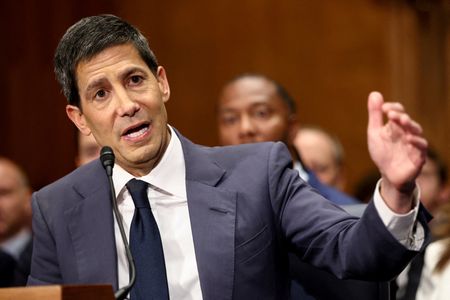

WASHINGTON, May 22 – Kevin Warsh begins his role as Federal Reserve chairman Friday, stepping into the position at a critical time for the nation’s economy and monetary policy decisions.
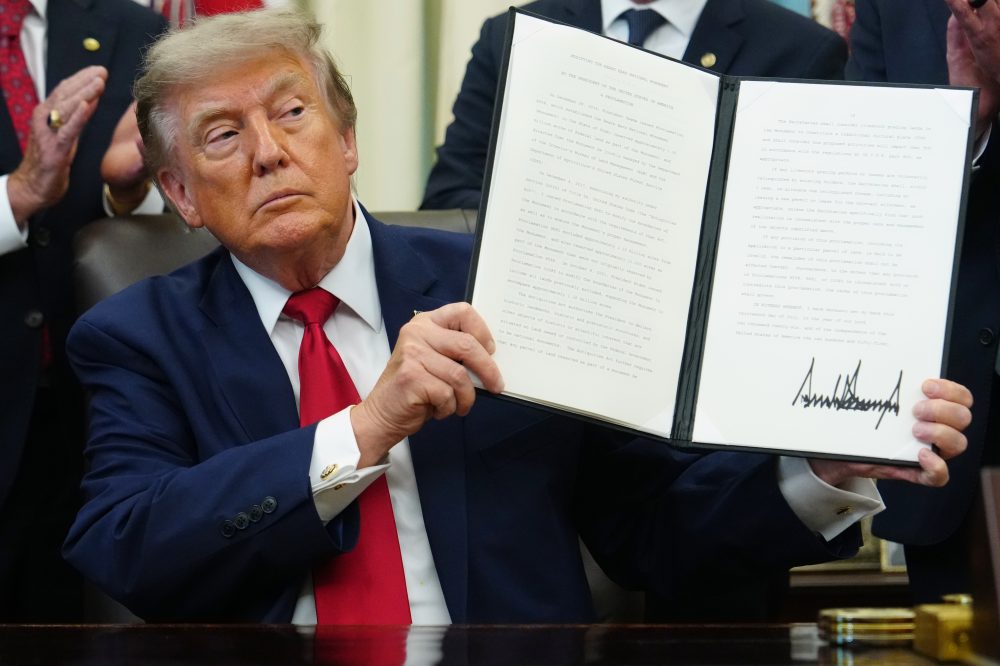
The 56-year-old secured the position after a lengthy selection process that saw him compete against other candidates over the course of a year. President Donald Trump will conduct the swearing-in ceremony at 11 a.m. ET at the White House.
Warsh assumes leadership as the central bank grapples with multiple economic challenges. Artificial intelligence technology is rapidly transforming the economy in ways that Fed officials acknowledge will significantly impact workers, businesses and consumers, though the full effects remain difficult to predict.
Meanwhile, inflation continues to run high and may climb further as the economy deals with various pressures. Oil prices have surged past $100 per barrel due to the U.S.-Israeli conflict with Iran, while high import tariffs and rising utility costs linked to AI expansion are adding to price pressures.
The new Fed leader previously served as a governor until 2011, when he resigned in protest of the Fed’s bond-buying programs. He has outlined ambitious reform plans for the central bank, which he believes had lost direction during his absence.
However, his immediate focus may center on a more urgent challenge: determining whether to increase interest rates to prevent inflation from climbing further above the Fed’s 2% goal, or risk his reputation as an inflation fighter from the start.
“Inflation is the Fed’s choice,” Warsh stated during his Senate confirmation hearing, referring to the central bank’s ability to influence spending through short-term interest rate adjustments. The Fed has failed to meet its inflation target for over five years and currently sits more than a percentage point above that goal.
Bringing inflation under control often requires difficult decisions that may clash with the Trump administration’s policies and goals, as well as the Fed’s employment objectives. From his first day in office as the Fed’s 11th chairman, Warsh will face scrutiny from multiple directions.
Global bond markets have begun pushing interest rates higher, signaling growing inflation worries. His fellow Fed officials have already begun suggesting that rate increases may be necessary. Additionally, Trump has previously criticized rate hikes as attacks on his economic agenda and harshly condemned outgoing Fed Chair Jerome Powell for not reducing borrowing costs.
Observers will closely monitor Warsh’s statements and approach to Fed-related controversies, including an upcoming Supreme Court ruling on Trump’s unsuccessful attempt to remove Governor Lisa Cook. His stance will be compared to Powell’s strong defense of Fed independence.
The policy discussion is already intensifying, with Fed Governor Christopher Waller, who was also considered for the chairman position, scheduled to speak about his policy perspectives Friday before Warsh’s ceremony.
Waller, a longtime Fed staff member who has become an influential policy voice since joining the board, has grown increasingly cautious about rate reductions as inflation concerns mount. Any further shift toward a more restrictive stance could reshape market expectations that the Fed may need to raise rates in coming months or maintain current levels for an extended period.
Trump’s relationship with Powell deteriorated quickly after appointing him chairman in 2018. The president has labeled Powell “too late” for failing to cut interest rates while tariffs and energy costs kept inflation elevated this year. Recent comments suggest Trump may be giving Warsh more time to prove himself.
The Fed’s next policy meeting is scheduled for June 16-17, when officials will vote on interest rates and release new economic forecasts.
One of Warsh’s first major decisions will involve whether to submit his projection for where interest rates should be by year’s end. This choice will reveal whether his views align with the colleagues he has criticized for “groupthink,” or if he will take contrarian positions that could further unsettle markets already driving up long-term U.S. interest rates.
The Fed’s monetary policy choices affect numerous consumer and politically sensitive rates, including home mortgages. Its inflation decisions now occur against a backdrop of sticker shock from items like $4.50-per-gallon gasoline that lie beyond its direct control.
These visible price increases serve as reminders of Trump’s limited progress on his campaign pledge that “starting on day one, we will end inflation and make America affordable again.” That promise now rests largely in Warsh’s hands to fulfill.