
WASHINGTON — For decades, the Federal Reserve gradually evolved from a secretive government institution into a more open one, willing to explain its decision-making process and share its economic outlook with the public. Now, that trend appears to be going into reverse.
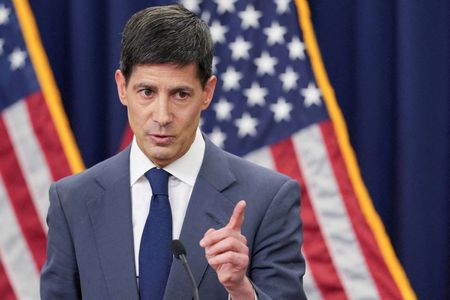
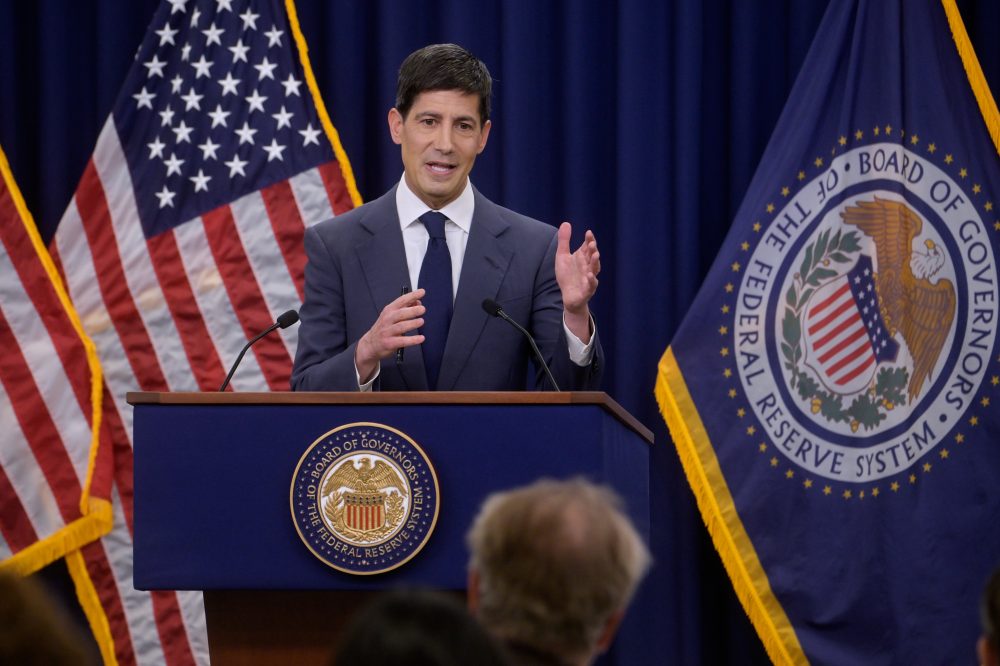
During his first press conference last Wednesday, new Fed Chair Kevin Warsh began rolling back some of that transparency. Like a number of economists, Warsh believes financial markets have grown overly reliant on the Fed’s guidance, and that such direction works best during financial emergencies or economic slumps.
The communications changes Warsh is making echo the more guarded style of former chair Alan Greenspan, who passed away at the age of 100 on Monday. Greenspan was the only former Fed chair Warsh singled out for praise at his swearing-in ceremony last month.
Since taking over, Warsh has moved quickly to trim the Fed’s communications footprint. He significantly shortened the statement the central bank releases after its policy meetings and made clear at his press conference that the Fed will no longer offer the kind of forward-looking interest rate signals it once routinely provided to markets. Analysts caution, however, that this approach could lead to sharper swings in stock and bond prices — and ultimately higher borrowing costs for everyday consumers and businesses.