
The NCAA Division I Cabinet is reviewing proposed rule changes that would prevent student-athletes from college competition if they enter professional sports drafts and choose not to withdraw from them, following controversial basketball cases this season.
The Academics and Eligibility Committee introduced these recommendations on Wednesday, with the cabinet potentially making decisions in the coming weeks. Should these regulations be approved, they would apply to students beginning college this fall.
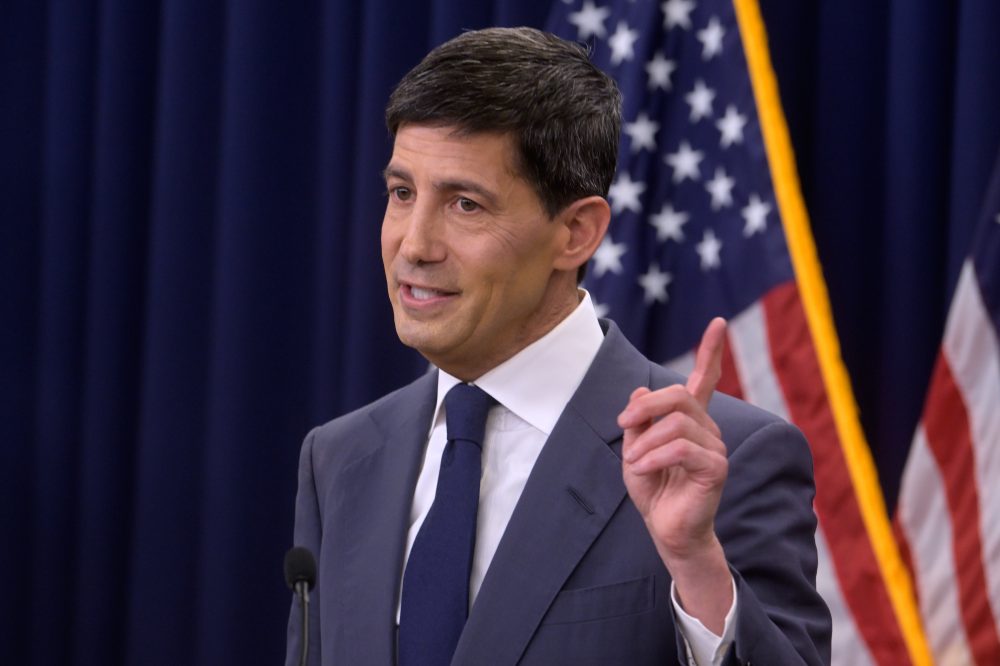
Illinois athletic director Josh Whitman, who leads the cabinet, explained the reasoning behind the proposals. “These proposed changes reflect ongoing work by Division I members to modernize our rules to align with the current era of college sports,” Whitman stated. “As Division I members proceed with reviewing all eligibility rules in the months ahead, our focus will be establishing rules that have objective criteria that can be consistently applied for both prospects and current student-athletes.”
The key proposal would mandate that potential college athletes remove themselves from professional league drafts that require opt-in participation, such as the NBA draft, creating consistency between pre-enrollment and post-enrollment draft regulations. Baseball and men’s ice hockey would remain unaffected since those sports don’t use opt-in draft systems.
These recommendations stem from situations involving two basketball players this season: Alabama’s Charles Bediako and Baylor’s James Nnaji, both of whom competed collegiately after declaring for the 2023 NBA draft.
Bediako’s case proved particularly complex. After completing two seasons at Alabama and entering the draft without being selected, he spent three years playing in the G League, the NBA’s developmental league. When the NCAA rejected Alabama’s appeal to restore his college eligibility this season, Bediako pursued legal action.
His legal team contended that Bediako remained within his five-year collegiate eligibility period, an NCAA regulation currently facing multiple legal challenges. Initially, a judge granted a temporary restraining order allowing him to compete while litigation continued, and he participated in five games. However, a different judge subsequently removed the order, a ruling that the Alabama Supreme Court upheld.
Nnaji’s situation differed significantly. The Nigerian player was chosen by the Detroit Pistons in the second round but competed professionally overseas before enrolling at Baylor as a first-year student in December. He received eligibility approval because he had never signed an NBA contract or participated in G League games.
The committee also recommended allowing prospective students to establish relationships with agents before college enrollment. Current NCAA regulations restrict agent agreements to name, image and likeness matters only, with exceptions for baseball and hockey players who may work with agents following draft selection.
Additionally, the proposals would permit athletes to accept prize money from competitions in their sports without jeopardizing their eligibility status. Present rules limit prize money acceptance to covering actual and necessary expenses, though tennis players may receive up to $10,000 in prize money.