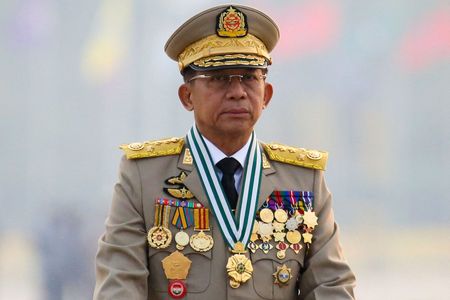

The military leader who orchestrated Myanmar’s 2021 coup has now secured the presidency through a parliamentary election, solidifying his control over the Southeast Asian nation that has been ravaged by conflict for the past five years.
Min Aung Hlaing, 69, won Friday’s presidential vote in a landslide, receiving 429 votes compared to 126 for his opponent, retired general Nyo Saw, who currently serves as the military government’s prime minister. The outcome was largely predetermined, with lawmakers from the military-backed Union Solidarity and Development Party joining appointed military representatives to support the former army chief.
This transition from military uniform to civilian leadership caps off what experts describe as an orchestrated political transformation that began with controversial elections held between December and January. International observers and Western nations condemned those elections as fraudulent, designed to give a democratic facade to continued military control.
The general’s path to power started when he overthrew the democratically elected government of Nobel laureate Aung San Suu Kyi in February 2021, subsequently placing her under arrest. That action triggered massive public demonstrations that eventually evolved into armed opposition movements across the country.
Political experts believe Min Aung Hlaing has long desired the presidential role. As part of his transition, he conducted a significant reorganization of Myanmar’s military leadership earlier this week, naming Ye Win Oo, a former intelligence director known for his loyalty, as his replacement to head the armed forces that he had commanded since 2011.
“He has long harboured the ambition to trade his title of commander-in-chief for president and it appears his dreams are now becoming a reality,” said Aung Kyaw Soe, an independent Myanmar analyst.
The new president’s whereabouts during the voting process remained unclear, as he was not visible during the state television coverage of the parliamentary session.
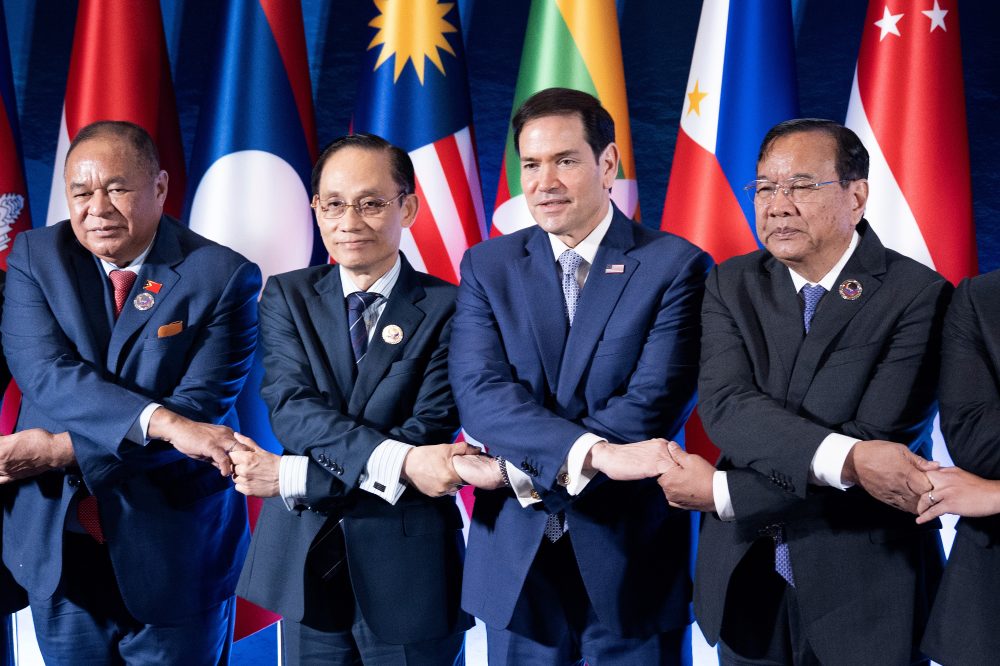
China, which maintains close ties with Myanmar’s military leadership, quickly offered congratulations and pledged support for the new administration in promoting regional peace and stability.
However, the country remains engulfed in violent conflict, with Myanmar’s military facing accusations from human rights organizations and United Nations investigators of committing widespread atrocities against civilians. The military government has consistently rejected these allegations.
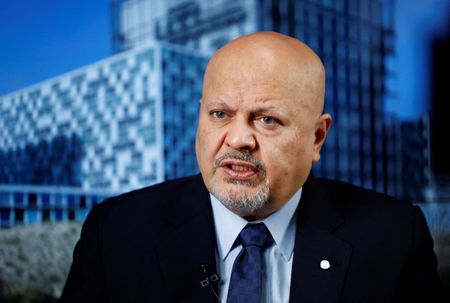
International legal pressure continues to mount against Min Aung Hlaing. In 2024, the International Criminal Court’s prosecutor requested an arrest warrant for him related to alleged persecution of the Rohingya Muslim minority. More than one million Rohingya fled to Bangladesh in 2017 during a military offensive.
“He may exchange his military fatigues for civilian attire, but this changes nothing with respect to his suspected responsibility for serious crimes under international law,” Amnesty International said.
“For the many Myanmar people who have been victims of Min Aung Hlaing’s violently unfettered military … seeing their oppressor formally elevated instead of prosecuted will be deeply painful.”
Opposition forces are attempting to reorganize their resistance efforts. This week, various anti-military groups, including survivors from Suu Kyi’s political party and established ethnic minority armed organizations, announced the formation of a unified coalition called the Steering Council for the Emergence of a Federal Democratic Union.
The new alliance stated its goals as working to “completely dismantle all forms of dictatorship” and establish “a new political landscape.”
Nevertheless, some analysts warn that opposition groups may face increased difficulties as neighboring countries potentially strengthen relationships with Min Aung Hlaing’s newly legitimized government, while also confronting intensified military pressure and economic hardships.
“It may become even harder to build mutual understanding and trust between groups, reach firmer agreements, and sustain cooperation,” analyst Sai Kyi Zin Soe said of the opposition.