
WASHINGTON – Tesla CEO Elon Musk announced Saturday that he’s willing to personally fund the salaries of Transportation Security Administration workers who are facing their second consecutive period without pay due to an ongoing federal budget standoff.
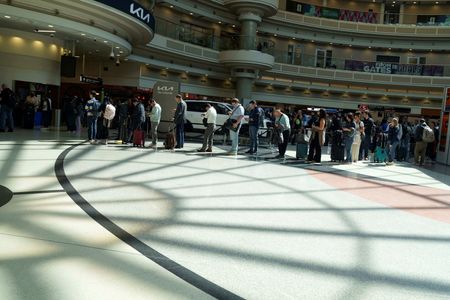
The funding dispute affecting the Department of Homeland Security, which oversees TSA operations, has now stretched into its fifth week. Airport security personnel are approaching another missed paycheck while still being required to report for duty, even as wait times at various airports extend for several hours.
“I would like to offer to pay the salaries of TSA personnel during this funding impasse that is negatively affecting the lives of so many Americans at airports throughout the country,” Musk wrote on his social media platform X.
Neither the Department of Homeland Security, TSA officials, nor Musk’s representatives provided immediate responses when contacted for additional details.
Travel industry officials and airlines warn that employee absences among the TSA’s approximately 50,000 airport security workers may rise again over the weekend.
Federal records show TSA employees receive an average yearly salary of $61,000. During this partial government shutdown, airports have organized food collection drives and are accepting charitable contributions to support affected security screening staff.
The timeline for resolving DHS funding remains unclear. Senate Majority Leader John Thune indicated Friday that lawmakers from both parties have made progress in addressing remaining disagreements about DHS funding, though no final agreement has been reached. Congressional Democrats agreed in February to approve funding for most government agencies while holding back DHS money following incidents in Minnesota where immigration officials killed two American citizens.
During last year’s government shutdown, President Donald Trump mentioned that a private benefactor contributed $130 million to address potential military payroll gaps. That shutdown extended for 43 days, making it the most prolonged in the nation’s history.