
KATHMANDU, Nepal (AP) — Mountaineering experts, climbers, and government officials convened in Nepal’s capital city Wednesday to address mounting concerns about Mount Everest expeditions amid rising temperatures and unprecedented crowding that’s creating serious environmental and safety issues.
The gathering, called the “Everest Summiteers Summit,” took place during what experts believe was the busiest climbing period ever recorded on the planet’s tallest mountain. In just several days this month, hundreds of adventurers along with their Sherpa guides made their way to the 8,849-meter (29,032-foot) summit.
This climbing season saw Nepal authorize a unprecedented 494 permits for international climbers, with summit achievements estimated to exceed 900 people. This figure would mark the highest total ever recorded during spring climbing months, though official tallies won’t be released until later.
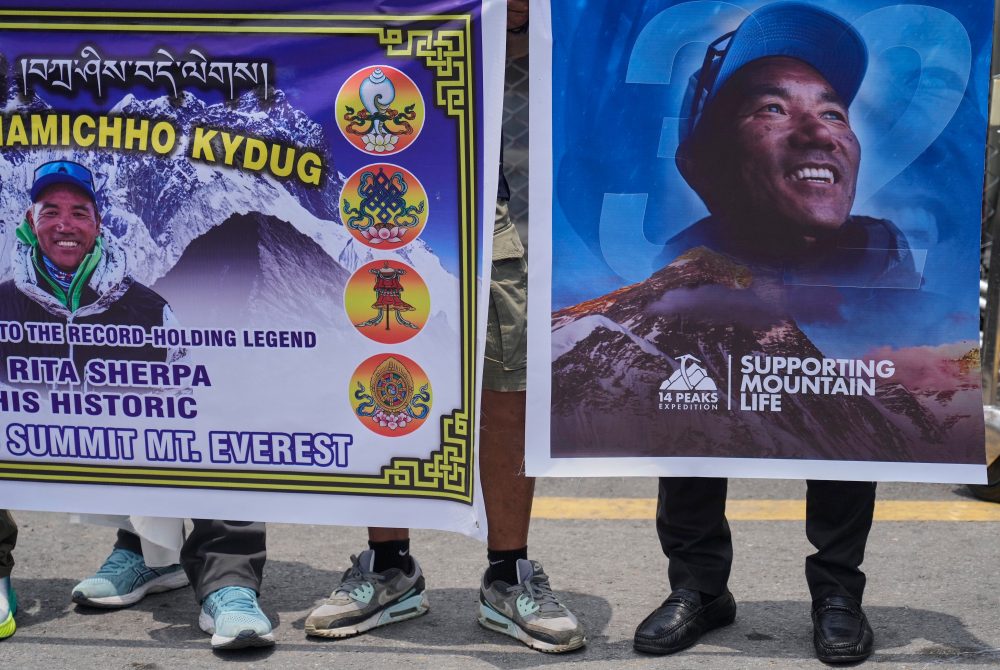
A sherpa guide who holds the record for most successful climbs — 32 ascents — expressed concerns about the overwhelming numbers creating dangerous conditions.
“Nepal should only allow no more than 250 climbers that are issued permit to climb from the Nepal side,” Kami Rita Sherpa said. “It will be good if the government was to limit the number.”
Recent photographs from the mountain reveal lengthy queues of climbers experiencing bottlenecks, secured to safety ropes while awaiting their turn to approach the peak.
During climbing season, which concludes this month, approximately 3,000 individuals including climbers, guides, and support staff establish temporary residence on Mount Everest. Removing all waste materials when camps are dismantled continues to pose significant difficulties.
Government regulations mandate that climbers must pack out their trash, yet substantial amounts remain abandoned on the mountain. Expedition members emphasize that environmental preservation must stay a top concern.
“We should take the rubbish from the mountain and we should protect our Himalayas,” said He Jing, a renowned Chinese climber.
Present regulations allow anyone to obtain climbing authorization by paying the government’s $15,000 permit fee.
However, Nepalese authorities are developing updated rules that would require climbers to demonstrate previous mountaineering experience.
Nathaniel Douglas, a climber from Seattle, told The Associated Press during the conference that he observes inexperienced individuals attempting Everest after viewing social media content, despite having no mountain climbing background.
“So they really don’t understand what mountaineering is, like what it actually takes to summit Mount Everest and get back down safely,” he said.
British mountaineer Adriana Brownlee, the youngest woman to climb all 14 highest peaks, said the weather on the mountains was getting warmer, increasing the risks for climbers.
“Every year the (Khumbu) Icefall seems more unstable because of global warming,” she said. adding that water underneath is melting faster, causing the seracs — blocks of ice — to fall much easier because of the movement underneath.
Last month, climbers were forced to postpone their ascents when a massive serac posed a dangerous threat to the climbing route directly above base camp.