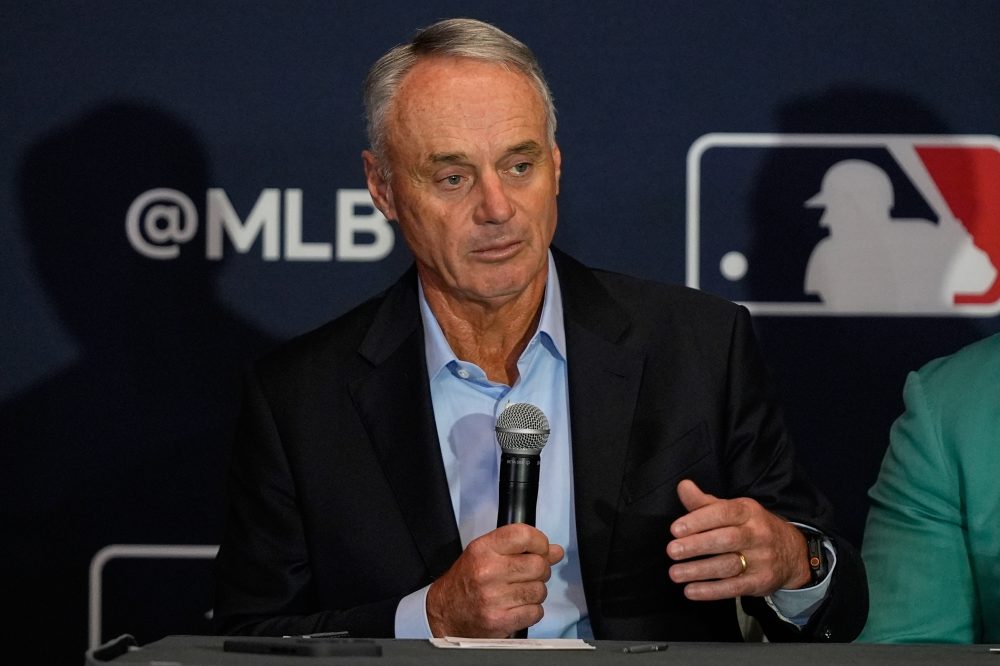

Major League Baseball has laid out new details of a proposed salary cap system that would restrict most free agent contracts to a maximum of five years and limit individual player salaries to no more than 15% of a team’s total salary cap. The league is also pushing to do away with deferred compensation entirely — a move that sets up a likely showdown with the players’ union.
During a Thursday bargaining session held at the union’s offices, MLB signaled it would accept the players’ union’s earlier proposal to allow free agency one year sooner for players who have reached age 30, provided it falls within the framework of the new salary cap system. The league also put forward a raise to the minimum salary, proposing an increase from the current $780,000 to $1 million for players with at least two years of major league service time.
Additionally, MLB proposed growing the pre-arbitration bonus pool — money set aside for younger players not yet eligible for arbitration — from $50 million to $65 million in the coming year, with a further increase to $75 million by 2032, which would be the sixth year of the proposed seven-year agreement.
The league also offered to scrap the qualifying offer system, a mechanism that has long been criticized for limiting the market options available to certain free agents.
Formal bargaining between MLB and the players’ union began on May 13, as both sides work toward a new deal to replace the current five-year contract set to expire on December 1. This marks the first time team owners have formally proposed a salary cap since the union successfully defeated such a system during a 7½-month strike in 1994-95. A December lockout is widely anticipated, which would put free agent signings and trades on hold.
The last time the collective bargaining agreement expired, in December 2021, serious negotiations didn’t get underway until late February, as the prospect of losing regular-season games — and the revenue and salaries that come with them — loomed large. The two sides ultimately struck a deal on March 10, the 99th day of the lockout, in time to protect the full 162-game season.