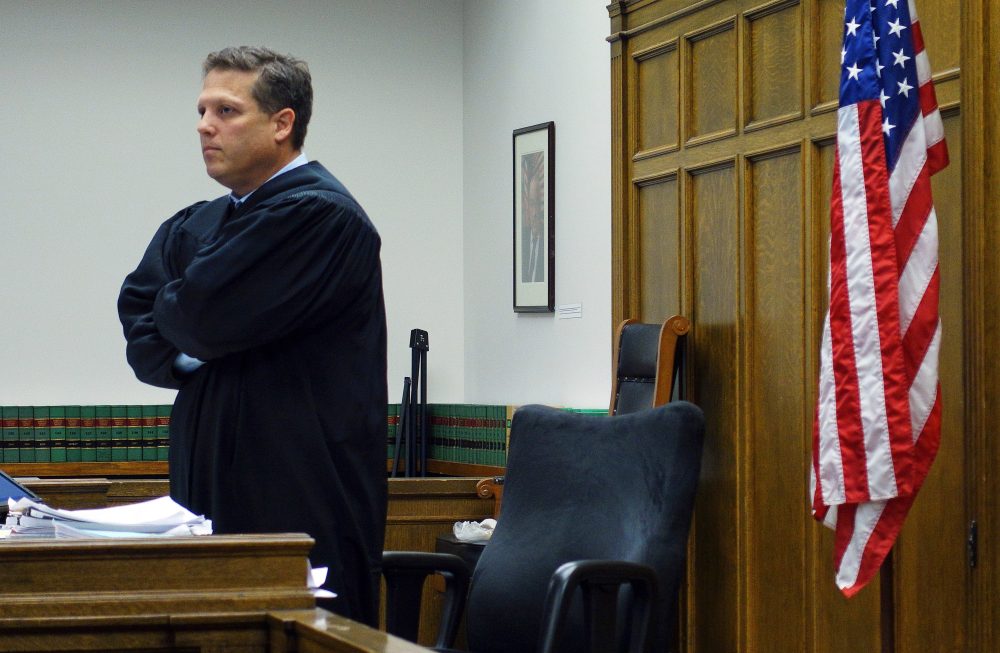

JEFFERSON CITY, Mo. — Missouri’s highest court has given the green light to a Republican-supported congressional redistricting effort that could boost the party’s chances of securing an additional House seat in upcoming elections.
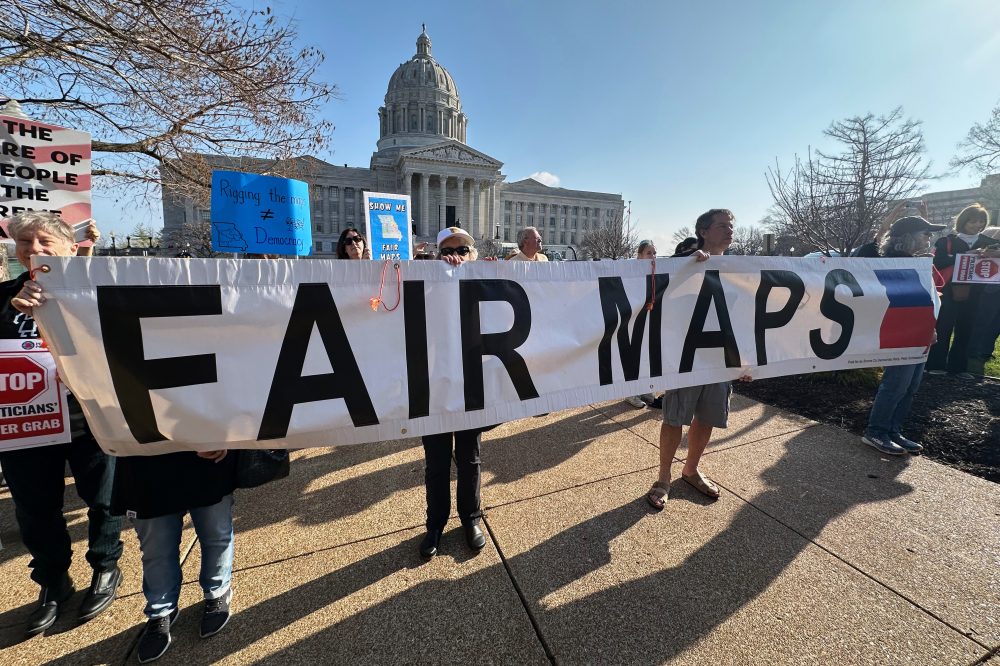
The Missouri Supreme Court’s Tuesday ruling represents a win for former President Donald Trump in the broader national fight over district boundaries. However, the battle may continue as critics have gathered over 300,000 signatures seeking to let voters decide on the revised map through a statewide referendum.
State lawmakers, controlled by Republicans, passed the new House district boundaries in September following Trump’s encouragement, coming on the heels of similar moves by Texas Republicans. The former president has pushed for these changes as a way to help the GOP maintain its slim House majority, where Democrats need only modest gains to take control and potentially block Trump’s legislative priorities.
Critics challenged the redistricting effort, claiming Missouri’s state constitution permits such boundary changes only right after each census count, not during the middle of a ten-year period. However, the state’s top court dismissed this argument in its narrow 4-3 ruling, determining that lawmakers face no clear constitutional ban on more frequent redistricting.
Missouri’s current House delegation includes six Republicans and two Democrats under boundaries drawn in 2022 following the latest census. The revised map targets a Kansas City-area district now represented by Democratic Representative Emanuel Cleaver, splitting portions into adjacent districts while extending the remaining area into heavily Republican rural territory.
A lower court recently dismissed another legal challenge claiming the new districts fail to meet state compactness requirements. That ruling is also heading to the Missouri Supreme Court on appeal.
Following the redistricting moves in Texas and Missouri, Republican-controlled legislatures in North Carolina and Ohio have similarly redrawn their maps in ways that could benefit GOP candidates. Meanwhile, California voters approved new districts in November that may favor Democratic candidates.
In Utah, a judge recently implemented a redistricting plan that could help Democrats capture one of the state’s four House seats, ruling that Republican lawmakers had bypassed voter-approved anti-gerrymandering measures. Virginia’s Democratic legislators have also moved toward mid-decade redistricting by placing an authorization measure on the April 21 ballot, though the Virginia Supreme Court is reviewing a legal challenge to that proposal.