
ST. PAUL, Minn. — Lyft has agreed to implement nationwide changes protecting the rights of disabled passengers to travel with service animals following a settlement announced Wednesday in Minnesota.
The agreement stems from complaints filed by college student Tori Andres, who contacted the Minnesota Department of Human Rights after multiple Lyft drivers denied rides to her and her service dog, Alfred. State investigators found the ride-sharing company had violated Minnesota’s Human Rights Act, leading to negotiations that produced a settlement with national implications through mandatory driver training and app modifications.
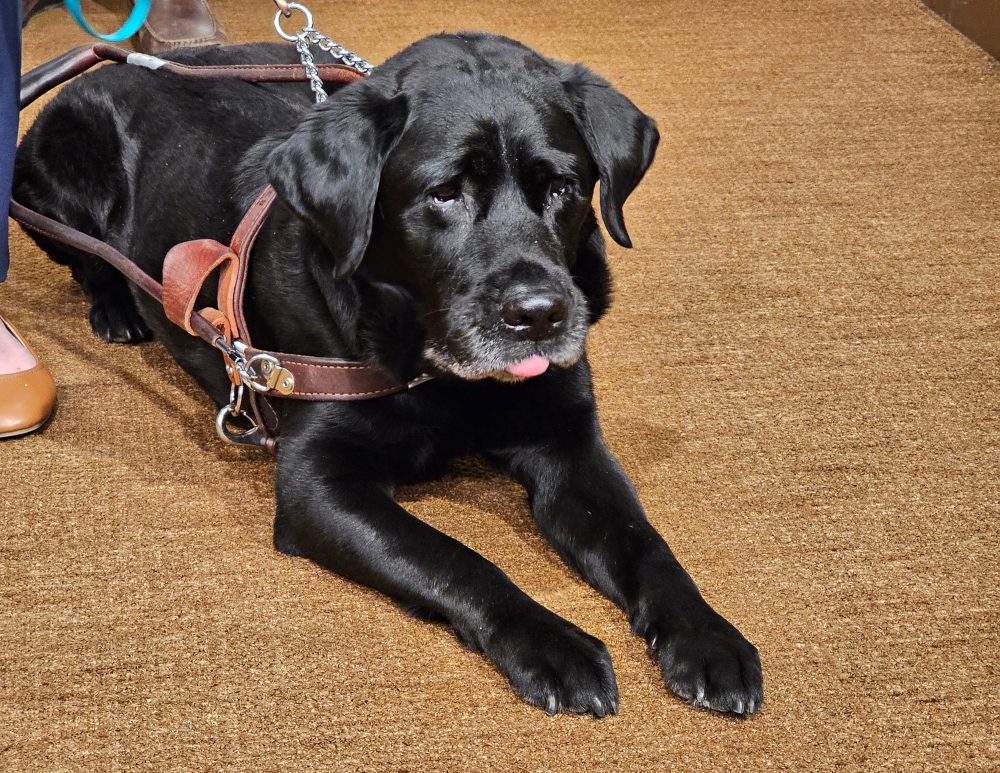
“This case is a deeply personal thing to me because I travel pretty much everywhere with my guide dog,” Andres explained during a press conference, while her black Labrador rested calmly beside her. “He is my eyes. He is my freedom, and he is why I am able to live independently.”
Under the settlement terms, Lyft must provide disability rights training to all drivers and warn them they could face “deactivation” and lose driving privileges for violating accessibility laws, according to state Human Rights Commissioner Rebecca Lucero. She emphasized that drivers cannot cancel or deny rides due to service animals, wheelchairs, or passengers with vision impairments. The state will oversee Lyft’s compliance for three years, while Andres receives $63,000 in compensation.
“We expect that all riders in Minnesota and in fact, across the United States, will benefit from these changes,” Lucero stated.
The settlement mandates several app improvements, including enhanced accessibility settings allowing passengers to inform drivers about service animals and streamlined reporting for service denials. When drivers attempt to cancel rides after passengers disclose service animals through the app, they’ll immediately receive warnings stating “It’s against the law to refuse service animals” and face potential termination.
Minnesota officials reached this agreement without filing a lawsuit. While competitor Uber wasn’t involved in this settlement, Lucero noted that Minnesota’s Human Rights Act applies to all ride-sharing companies. She indicated her office regularly receives transportation-related discrimination complaints but didn’t specify current actions against other companies.
“We recommend that all businesses use this as an opportunity to look at their policies, training and accountability systems to make sure that it’s being enforced correctly,” Lucero advised.
Neither Lyft nor Uber representatives immediately responded to requests for comment about the settlement or their service animal policies. Uber’s website states that service animals must be accommodated according to accessibility laws and company policy, with no exceptions for allergies, religious concerns, or animal fears.
This settlement comes as the federal government pursues a lawsuit against Uber filed in San Francisco last September, alleging systematic refusal to serve disabled individuals, including those with service dogs. A federal magistrate judge recently rejected Uber’s motion to dismiss the case.
“Access to ride shares like Lyft is not a convenience. It is, in fact, a civil right,” Lucero concluded.