
While missile strikes and drone attacks disrupt energy operations throughout the Persian Gulf region, experts caution that freshwater supplies face even greater danger than petroleum resources in this water-scarce but oil-wealthy area.
Coastal areas along the Persian Gulf house hundreds of facilities that convert seawater into drinking water, placing these vital systems within striking distance of Iranian weapons. Major metropolitan areas would struggle to maintain their current resident numbers without these installations.
Kuwait relies on desalinated water for approximately 90% of its drinking supply, while Oman depends on it for roughly 86% and Saudi Arabia for about 70%. These facilities extract salt from ocean water through advanced filtration methods, primarily using reverse osmosis technology that forces water through extremely fine barriers to create freshwater for urban centers, hospitality, manufacturing and limited farming in one of Earth’s most arid regions.
International observers have focused primarily on how the Iranian conflict affects global energy costs. The Gulf region accounts for roughly one-third of worldwide crude oil shipments, and petroleum income forms the foundation of national budgets. Military action has already stopped tanker movement through critical waterways and interrupted port operations, compelling some oil producers to reduce shipments as storage facilities reach capacity.
However, the systems that deliver potable water to Gulf metropolitan areas face similar risks.
“Everyone thinks of Saudi Arabia and their neighbors as petrostates. But I call them saltwater kingdoms. They’re manmade fossil-fueled water superpowers,” said Michael Christopher Low, director of the Middle East Center at the University of Utah. “It’s both a monumental achievement of the 20th century and a certain kind of vulnerability.”
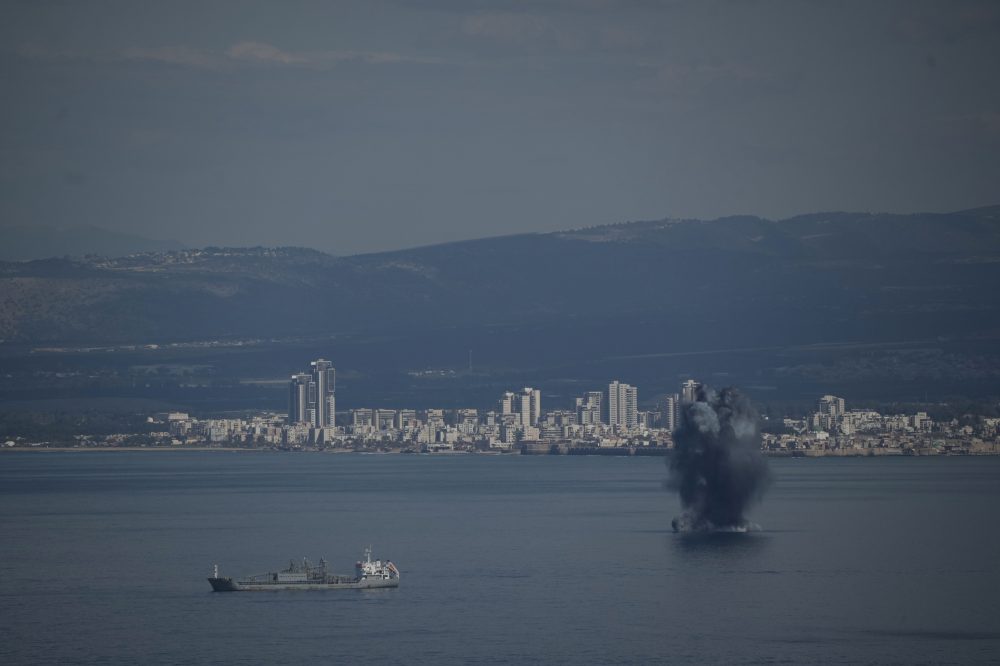
The conflict that started February 28 with American and Israeli strikes against Iran has already brought combat near essential water treatment infrastructure. Iranian attacks on Dubai’s Jebel Ali port on March 2 struck approximately 12 miles from one of the planet’s largest desalination complexes, which supplies much of the city’s potable water.
Reports also emerged of damage at the Fujairah F1 power and water facility in the United Arab Emirates, plus Kuwait’s Doha West desalination installation. The harm to both locations appeared connected to nearby port bombardments or wreckage from destroyed drones, with limited indication that Iran deliberately aims at water processing sites, according to specialists.
Numerous Gulf desalination operations share physical space with electrical generation stations as combined facilities, meaning strikes on power infrastructure could simultaneously impact water output. Even when plants connect to national electrical networks with alternative supply paths, interruptions can spread throughout linked systems, explained David Michel, senior fellow for water security at the Center for Strategic and International Studies.
“It’s an asymmetrical tactic,” he said. “Iran doesn’t have the same capacity to strike back at the United States and Israel. But it does have this possibility to impose costs on the Gulf countries to push them to intervene or call for a cessation of hostilities.”
Water treatment plants contain multiple components including intake mechanisms, processing equipment and power sources, with harm to any segment capable of stopping production, noted Ed Cullinane, Middle East editor at Global Water Intelligence, a water industry publication.
“None of these assets are any more protected than any of the municipal areas that are currently being hit by ballistic missiles or drones,” Cullinane said.
Regional governments and American officials have recognized for years the stability risks these systems create: major desalination plant shutdowns could eliminate most drinking water access for some cities within days. A 2010 CIA assessment cautioned that attacks on desalination infrastructure might spark national emergencies across several Gulf nations, with extended outages potentially lasting months if essential equipment suffered destruction.
The Gulf region produces over 90% of its desalinated water from merely 56 facilities, the analysis noted, with “each of these critical plants extremely vulnerable to sabotage or military action.”
A disclosed 2008 American diplomatic message warned that Saudi Arabia’s capital Riyadh “would have to evacuate within a week” if the Jubail desalination facility on the Gulf shoreline, its connecting pipelines, or related power systems sustained serious damage.
Saudi Arabia has subsequently built pipeline networks, storage reservoirs and other backup systems intended to buffer temporary interruptions, similar to UAE investments. However, smaller nations including Bahrain, Qatar and Kuwait maintain fewer emergency supplies.
Rising ocean temperatures increase cyclone probability and strength in the Arabian Sea while raising landfall chances on the Arabian Peninsula, potentially causing storm surge and heavy rainfall to overwhelm drainage infrastructure and harm coastal desalination equipment.
The facilities themselves add to environmental concerns. Desalination requires substantial energy, with global plants generating between 500 and 850 million tons of carbon emissions yearly, approaching the roughly 880 million tons produced by the worldwide aviation sector.
Desalination creates highly concentrated salt brine as waste, typically returned to oceans where it can damage seafloor environments and coral formations, while water intake systems can capture and kill fish larvae, plankton and other marine life forming the foundation of oceanic food chains.
Climate change intensifies drought conditions, alters precipitation patterns and increases wildfire activity, making desalination expansion likely across many global regions.
During Iraq’s 1990-1991 Kuwait invasion and the following Gulf War, Iraqi military units destroyed power plants and desalination equipment during their withdrawal, according to the University of Utah’s Low. Simultaneously, millions of oil barrels were intentionally released into the Persian Gulf, creating among history’s largest petroleum spills.
The enormous slick threatened to contaminate seawater intake pipes serving regional desalination plants. Emergency crews quickly positioned protective barriers around major facility intake valves.
The destruction left Kuwait mostly without freshwater and requiring emergency water imports. Complete restoration required years.
More recently, Yemen’s Houthi forces have attacked Saudi desalination installations during regional conflicts.
These events highlight broader deterioration of established principles against targeting civilian infrastructure, Michel observed, referencing conflicts in Ukraine, Gaza and Iraq.
International humanitarian law, including Geneva Convention provisions, forbids attacking civilian infrastructure essential for population survival, including drinking water facilities.
Potential cyber threats against water infrastructure present increasing concerns. During 2023 and 2024, American officials attributed several U.S. water utility hacking incidents to Iran-connected organizations.
Following five consecutive years of severe drought, water reserves in Tehran’s five storage facilities dropped to approximately 10% capacity, leading President Masoud Pezeshkian to warn the capital might require evacuation.
Unlike numerous Gulf states heavily dependent on desalination, Iran obtains most water from rivers, reservoirs and diminishing underground water sources. The nation operates relatively few desalination plants, meeting only a small portion of national requirements.
Iran rushes to expand coastal desalination and transport water inland, but infrastructure limitations, energy expenses and international sanctions have severely restricted expansion capabilities.
“They were already thinking of evacuating the capital last summer,” Cullinane of Global Water Intelligence said. “I don’t dare to wonder what it’s going to be like this summer under sustained fire, with an ongoing economic catastrophe and a serious water crisis.”