
Conflict between the United States and Iran escalated significantly Wednesday following an American submarine attack on an Iranian naval vessel near Sri Lankan waters, intensifying a crisis that has brought maritime traffic through the Strait of Hormuz to a virtual standstill for five consecutive days and severely disrupted crucial Middle Eastern energy exports.
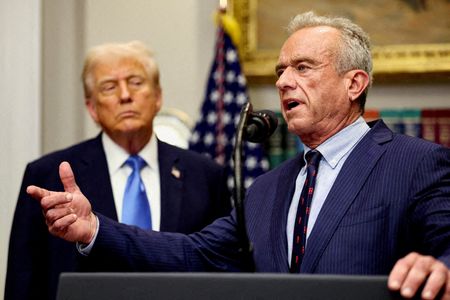
The submarine assault occurred as President Donald Trump announced plans to offer insurance coverage and naval protection for vessels transporting oil and natural gas from Middle Eastern regions in an effort to control rapidly rising energy costs.
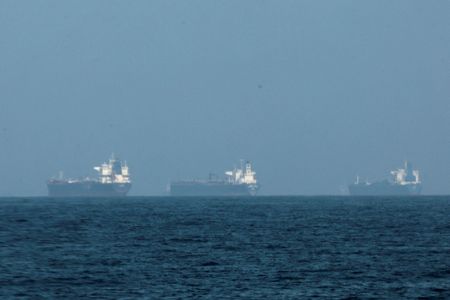
Ship-tracking information from MarineTraffic indicates that approximately 200 vessels, encompassing oil tankers, liquefied natural gas carriers, and cargo ships, continue waiting at anchor in international waters near major Gulf nations such as Iraq, Saudi Arabia, and Qatar, based on Reuters analysis.
Maritime data reveals hundreds of additional ships remain positioned outside the Hormuz passage, unable to access their destination ports. This critical shipping channel handles roughly one-fifth of global oil and LNG transportation.
The container vessel Safeen Prestige, operating under a Maltese flag, sustained damage from projectile fire while navigating toward the northern section of the Strait of Hormuz, forcing the crew to evacuate the ship, according to shipping industry sources.
Qatar has halted natural gas production while Iraq reduced oil output as both nations exhausted storage capacity, unable to transfer their products to waiting tankers. Saudi Arabia, the United Arab Emirates, and Kuwait face similar loading difficulties, though production cuts from these countries remain unconfirmed.
Despite the widespread shipping paralysis, one notable journey occurred Tuesday when the Suezmax vessel Pola successfully navigated through the Strait of Hormuz to reach UAE waters for crude oil loading, industry sources and LSEG tracking systems confirmed.
The Pola had deactivated its AIS tracking system late March 2 while approaching the Strait and reappeared the following day near Abu Dhabi waters.
On Tuesday, Trump announced he had directed the U.S. International Development Finance Corporation to extend political-risk insurance and financial backing for Gulf maritime commerce.
“No matter what, the United States will ensure the free flow of energy to the world,” he stated in a social media message.
Wednesday saw oil prices decline despite four consecutive days of increases, gaining 12% since hostilities began Saturday when U.S.-Israeli operations against Iran disrupted Middle Eastern supply chains. The rate of price increases has moderated compared to previous trading sessions.
Goldman Sachs announced Wednesday it increased its Brent crude oil projection for the second quarter by $10 to reach $76 per barrel. The financial institution also elevated its WTI forecast by $9 to $71 per barrel.
The bank cited extended disruption to oil and gas exports through the Strait of Hormuz and potential damage to production infrastructure as primary concerns. Goldman Sachs anticipates reduced oil movement through Hormuz will result in significant decreases in OECD stockpiles and Middle Eastern production during March.
“Providing protection for all tankers operating in areas currently threatened by Iran is unrealistic as this would require a very high number of warships and other military assets,” stated Jakob Larsen, chief safety and security officer with shipping association BIMCO.
Asian refineries confront potential production reductions due to inability to secure immediate replacement shipments from Gulf suppliers amid the shipping shutdown, according to four traders and three industry analysts.
Asia depends on the Middle East for 60% of its oil imports, making the region particularly susceptible to current disruptions. Indonesian and Japanese refineries are increasing purchases from American sources to compensate for shortfalls. Sources at two companies indicate India is considering expanded purchases from Russia.
Four sources reported that Saudi Aramco’s primary domestic refinery and crucial crude export facility at Ras Tanura was attacked Wednesday.