
LONDON, April 17 – The ongoing Middle East conflict serves as the most recent example of how natural resources are transforming international politics, positioning currencies from resource-rich nations like Norway, Canada, Australia, and New Zealand to potentially surpass their larger counterparts.
These resource-backed currencies – termed as such because of their strong ties to their nations’ primary export materials – feature two standout winners among 10 advanced economies: Norway’s crown and Australia’s dollar.
Year-to-date, both currencies have climbed more than 7% against the U.S. dollar as the conflict triggers what experts describe as history’s most severe global energy crisis, creating ripple effects across world economies.
Investment professionals anticipate even greater gains ahead as an increasingly divided world order – accelerated by America’s isolationist approach and China’s growing influence – pushes countries to prioritize energy independence and secure materials crucial for artificial intelligence development and environmental transitions.
Multi-asset strategist Manish Kabra from Societe Generale highlighted a “big disconnect” between commodity currencies’ relative weakness and surging commodity indices in recent years, suggesting significant upward potential for these currencies.
Since the Middle East crisis began, Kabra has adjusted his strategy by reducing euro holdings while increasing investments in all four commodity currencies with equal weighting.
“The strategic and geopolitical focus on commodities has yet to be priced into these four commodity currencies,” Kabra said.
Lauren van Biljon, senior portfolio manager at Allspring Global Investments, recently established a long position on Norway’s crown versus the British pound – essentially betting the Norwegian currency will gain value.
As a leading oil and gas supplier, Norway serves as a crucial component of Europe’s energy independence, especially as the continent moves away from Russian energy sources following the Ukraine conflict.
Van Biljon explained that the shift toward commodity currencies motivated her decision, along with expectations that Norway’s central bank will maintain aggressive policies due to rising energy prices.
Rabobank analysts predicted euro weakness against the crown in a recent report and recommended selling sterling for Norwegian currency.
Currently trading around 9.37 per dollar, the crown sits near its highest levels since 2022.
Australia, Canada, and Norway all maintain top-tier AAA sovereign debt ratings and export more energy than they consume. Combined with increased commodity focus, these factors offer investors concerned about dollar dominance alternatives beyond the euro and Chinese yuan, according to market analysts.
Investment firm Ninety One described an emerging commodity landscape characterized by political fragmentation, electrification trends, supply limitations, regional energy markets, and restructured global supply networks in research published last week.
This transformation may explain the remarkable performance of broad commodity markets this year.
Commodities lead all asset classes in 2024, gaining approximately 42% compared to last year’s 6% increase, Bank of America data reveals.
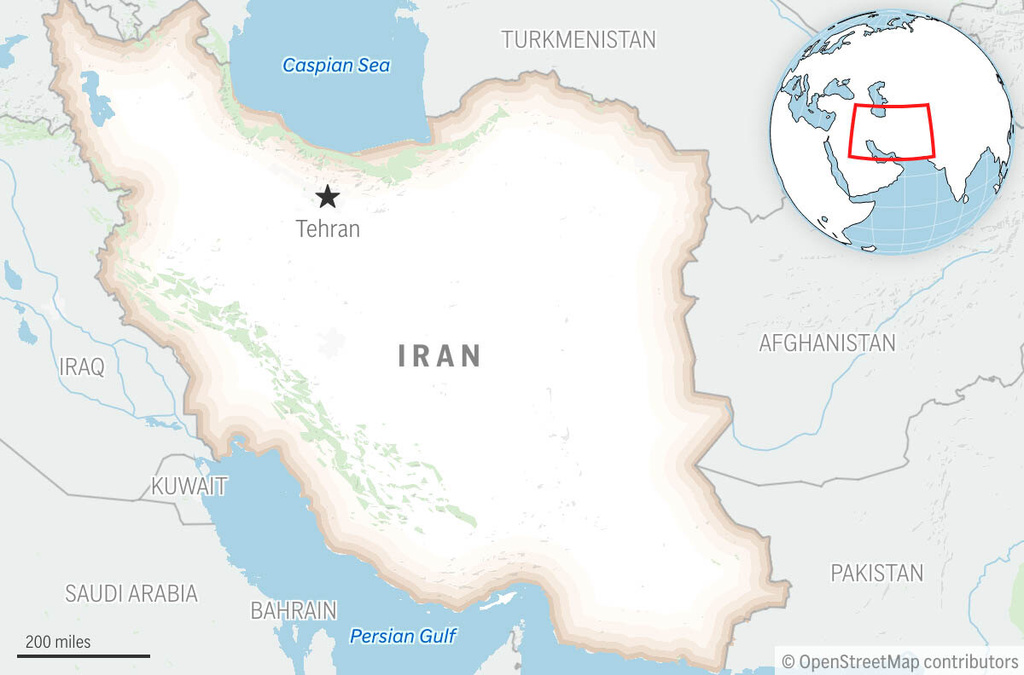
Oil prices have experienced dramatic swings due to the Iran situation and trade near $100 per barrel, while copper reached six-week highs. Gold, despite recent declines, remains roughly 50% higher than a year ago.
SocGen’s Kabra pointed to the U.S. government’s November decision to classify copper as essential for economic and national security as evidence of commodities’ growing geopolitical importance.
However, commodity currencies face the same concerns about war’s economic impact that have affected other currencies, and the dollar’s recent safe-haven resurgence has somewhat diminished their attractiveness.
Though initially underperforming against the dollar when the conflict started, the Canadian, New Zealand, and Australian currencies are rebounding on ceasefire optimism.
Australia, a mining giant and major coal and liquefied natural gas exporter, depends on imports for refined petroleum products.
“Most important in the here and now is energy independence and energy security,” said Malin Rosengren, portfolio manager at RBC BlueBay Asset Management, noting Australia’s vulnerability in this area.
“And then the second leg of that will be the medium-term growth impact, in terms of how we’re looking at the impact of commodities on FX.”
Even with Middle East conflict resolution, energy costs are expected to remain elevated for an extended period. Energy supply chains won’t immediately normalize, and infrastructure repairs will require time.
This situation creates opportunities for commodity currency investments, according to Van Luu, global head of solutions strategy at Russell Investments.
“If the oil prices are $85 to $100 instead of $65, then energy exporters in politically stable countries, if you consider Norway and Canada in that camp, should do better,” he said.
Luu confirmed maintaining his exposure to these currencies.
Regardless of current peace negotiation outcomes, commodity currencies should remain attractive investments, said Andreas Koenig, head of global foreign exchange at Europe’s largest asset manager Amundi.
While global instability has highlighted these currencies, they’re also positioned to benefit from returning stability.
“They are still high beta currencies, and they profit from risk on,” he said.